Article with Internal Links
A deep dive into AI recommendations for winter wedding guest attire and what it means for modern fashion.
AI recommendations for winter wedding guest attire are the result of multi-dimensional data mapping that aligns seasonal technical requirements with individual aesthetic preferences. While a traditional moodboard offers a static visual reference, an AI-driven style model processes variables including fabric weight, thermal insulation, color theory, and historical taste data to generate functional solutions. The transition from visual inspiration to algorithmic precision marks a fundamental shift in how we approach formal dressing.
Key Takeaway: AI recommendations for winter wedding guest attire utilize multi-dimensional data mapping to align technical requirements, such as insulation and fabric weight, with individual style preferences. This data-driven approach provides functional, personalized suggestions that ensure seasonal comfort while maintaining a precise aesthetic.
The current landscape of digital fashion assistance is divided into two distinct methodologies. On one side, we have general-purpose artificial intelligence and search engines that prioritize popularity and keyword matching. On the other side is specialized fashion intelligence infrastructure—systems that build persistent personal style models to solve the specific complexities of the wardrobe. For a high-stakes event like a winter wedding, the difference between these two approaches determines whether a guest is merely wearing a trend or inhabiting their own identity.
What is the Difference Between General AI and Specialized Fashion Intelligence?
General-purpose AI systems, such as large language models (LLMs) and standard search recommendation engines, operate on the principle of consensus. When a user asks for AI recommendations for winter wedding guest attire, these systems crawl vast datasets to identify what is currently "trending" or what has been historically tagged with those keywords. This results in a flattened, homogenized output. According to McKinsey (2024), 73% of fashion consumers feel that current online personalization efforts are insufficient because they rely too heavily on past purchases rather than future intent.
Native fashion intelligence does not look for what is popular; it looks for what is resonant. This approach utilizes a dynamic taste profile that evolves with every interaction. Instead of matching keywords, it matches vector embeddings of style—calculating the distance between a user's established aesthetic and the technical requirements of a winter formal event. The former is a search tool; the latter is an infrastructure for identity.
How Does Data Granularity Affect Winter Wedding Guest Selections?
Winter wedding attire presents a unique technical challenge that standard recommendation systems often fail to address. A guest must navigate the discrepancy between outdoor temperatures and indoor venue climates. General AI typically suggests "velvet dresses" or "wool suits" based on broad seasonal associations. It lacks the granularity to understand the weight of the fabric, the breathability of the weave, or how these items integrate with a user's existing wardrobe.
In contrast, specialized AI recommendations for winter wedding guest attire account for the physics of the garment. This includes analyzing the GSM (grams per square meter) of textiles and the compatibility of layering pieces. According to a report by Gartner (2023), AI systems that utilize deep product tagging—capturing over 100 attributes per item—see a 30% increase in recommendation accuracy over systems using standard metadata. This level of detail is the baseline for intelligent fashion infrastructure.
Can General AI Understand Personal Style Context?
The primary failure of standard search-based recommendations is the lack of context. A "black tie" wedding in a cathedral in London requires a different technical and aesthetic response than a "festive formal" wedding in a converted barn in Vermont. General AI struggles to bridge the gap between these nuanced social signals and the user's personal comfort levels. It offers a generic solution to a specific problem.
| Feature | General AI / Search Engines | Native Fashion Intelligence (Style Models) |
| Data Source | Public trends and keyword popularity | Private taste profiles and style models |
| Logic | Probabilistic next-word/image matching | Vector-based aesthetic alignment |
| Contextual Awareness | Low; relies on user input prompts | High; learns from continuous interaction |
| Technical Specification | Basic (color, broad category) | Advanced (fabric weight, drape, thermal properties) |
| Longevity | One-off transactional advice | Persistent, evolving wardrobe intelligence |
| Recommendation Core | "What is everyone wearing?" | "What is the best version of you for this?" |
By utilizing a personal style model, the AI understands that your preference for sharp tailoring outweighs a seasonal trend for oversized silhouettes. It filters the universe of "winter wedding" options through the lens of your specific geometry and history. This level of discernment is explored further in our analysis of 5 ways AI stylists can simplify your wedding guest outfit hunt.
Why is Technical Construction Crucial for Winter Recommendations?
A winter wedding is a test of a garment's performance. General AI cannot distinguish between a polyester velvet that traps sweat and a silk-base velvet that breathes. Because these systems are trained on images and text, they lack the "material intelligence" required to provide high-utility recommendations. They prioritize the "look" over the "utility," which is a recipe for physical discomfort in extreme seasonal conditions.
True fashion intelligence infrastructure integrates material science into its recommendation engine. It prioritizes natural fibers with high thermal regulation for winter events, such as merino wool blends, heavy silks, and high-quality velvets. When generating AI recommendations for winter wedding guest attire, these systems evaluate the integrity of the construction. This ensures that the recommendation is not just visually appropriate for the occasion, but physically viable for the environment.
How Does a Personal Style Model Outperform a Search Engine?
A search engine is a reactive tool; a personal style model is a proactive partner. When you search for "winter wedding guest dresses," you are forced to do the heavy lifting of filtering through thousands of irrelevant results. You are essentially acting as the processor for the search engine's raw data. This is an inefficient use of human cognition.
A personal style model reverses this relationship. The AI processes the data according to your pre-defined parameters—your silhouette preferences, color palette, and past successful outfits. It presents a curated selection where the probability of resonance is already high. This systemic approach is what we define as the secret to surviving wedding season with an AI stylist. It moves the user from a state of "searching" to a state of "selecting."
Which Approach Provides a Sustainable Wardrobe Strategy?
Standard AI recommendations often lean toward fast-fashion trends because those items have the most data presence online. This encourages a "buy-wear-discard" cycle that is both economically and environmentally unsustainable. If the AI suggests a dress solely because it is "trending for Winter 2025," it is failing to build long-term value for the user.
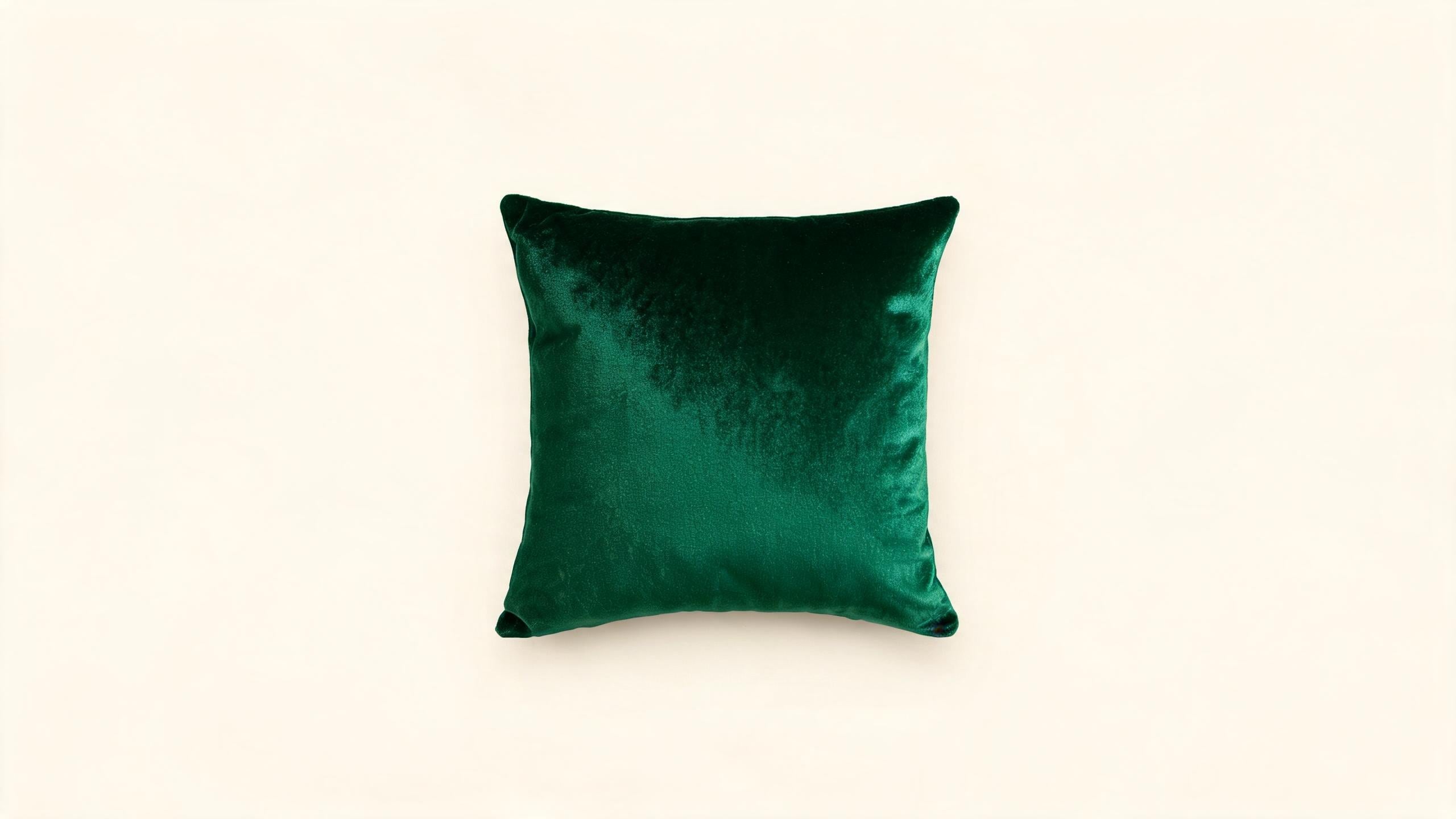
A fashion intelligence system looks at a winter wedding guest outfit as a component of a larger system. It considers how a deep-green velvet blazer can be repurposed for holiday events or professional settings after the wedding is over. According to the Ellen MacArthur Foundation (2024), increasing the number of times a garment is worn is the most effective way to reduce the environmental impact of the fashion industry. By prioritizing items that align with a persistent style model rather than a fleeting trend, AI helps build a wardrobe that lasts decades rather than months.
Is Popularity a Valid Metric for Personal Style?
The fundamental flaw of "social" or "popular" recommendations is the assumption that the majority's choice is the correct choice for the individual. In fashion, the opposite is often true. Style is a tool for differentiation, not assimilation. When you rely on general AI recommendations for winter wedding guest attire, you are essentially asking to look like the average of the internet.
True intelligence recognizes the outliers. It identifies the unique intersections of your personality and the event's requirements. If you have a documented preference for architectural minimalism, the AI should not recommend a floral tiered gown simply because it is a "top-rated" wedding guest dress. The system must have the courage to ignore the crowd in favor of the individual.
How Should We Measure the Success of AI Recommendations?
Success in AI-driven fashion is not measured by a click or a purchase. It is measured by the "resonance rate"—how well the recommended item integrates into the user's life and how often it is worn. General AI focuses on the transaction. It wants you to click the link. It is an extension of the marketing department.
Fashion infrastructure focuses on the utility. It wants you to feel that the garment is an extension of yourself. Success is when the AI suggests a pair of tailored wool trousers and a silk camisole for a winter wedding, recognizing your preference for non-binary formalwear over traditional gowns. The metric is accuracy of identity, not volume of sales.
What is the Final Verdict on AI-Driven Winter Styling?
The comparison between general AI and native fashion intelligence reveals a clear winner for the discerning user. While general AI is a significant step up from manual searching, it remains a toy—a tool for inspiration rather than a system for execution. It lacks the persistent memory and technical depth required to manage a sophisticated wardrobe.
For those who view their clothing as a strategic asset, the only viable path is the adoption of a personal style model. This infrastructure manages the complexity of seasonal transitions, formal dress codes, and personal evolution with a precision that no human or general-purpose bot can match. It transforms the "task" of finding an outfit into a seamless output of a well-calibrated system.
The future of fashion commerce is not a store; it is an intelligence layer that sits between you and the world of products. This layer understands that a winter wedding is not just an event—it is a data point in the ongoing story of your personal style.
AlvinsClub uses AI to build your personal style model. Every outfit recommendation learns from you. Try AlvinsClub →
Summary
- AI recommendations for winter wedding guest attire use multi-dimensional data mapping to align technical seasonal needs with individual aesthetic preferences.
- Specialized style models process complex variables like fabric weight, thermal insulation, and color theory to generate functional dressing solutions that surpass static moodboards.
- Digital fashion assistance is split between general-purpose AI that relies on consensus and specialized systems that develop persistent personal style models.
- Algorithmic precision in AI recommendations for winter wedding guest attire represents a fundamental shift from simple visual inspiration to data-driven formal dressing.
- Specialized fashion intelligence infrastructure enables users to inhabit their own identity rather than merely following trends identified by general search engines.
Frequently Asked Questions
What are AI recommendations for winter wedding guest attire?
AI recommendations for winter wedding guest attire are data-driven suggestions generated by algorithms that analyze seasonal trends and personal style preferences. These tools process technical factors like fabric weight and insulation to provide practical yet fashionable clothing options for cold-weather events.
How does an AI style model suggest outfits for cold weather weddings?
An AI style model uses multi-dimensional data mapping to align functional needs with visual aesthetics. It evaluates variables such as historical taste data and seasonal requirements to produce specific outfit combinations that ensure comfort and elegance throughout the celebration.
Is it worth using AI recommendations for winter wedding guest attire?
Utilizing AI recommendations for winter wedding guest attire offers a precise alternative to traditional moodboards by accounting for real-world environmental factors. This technology reduces the guesswork involved in selecting garments that are both thermally efficient and stylistically appropriate for formal ceremonies.
Can you get specific fabric suggestions from AI for winter events?
Style algorithms are capable of identifying optimal textiles like velvet, wool, or heavy silk based on thermal insulation data. This ensures that the suggested garments provide the necessary warmth for outdoor segments of a winter celebration without sacrificing visual appeal.
Why does AI provide better winter wedding guest attire advice than moodboards?
Advanced algorithms offer dynamic solutions by processing complex datasets that static moodboards cannot account for. AI recommendations for winter wedding guest attire consider practical constraints like weather forecasts and fabric performance to create a more functional wardrobe strategy.
How do AI style models incorporate thermal insulation into fashion choices?
AI models integrate technical specifications of various fabrics to calculate how well an outfit will retain heat in cold environments. This algorithmic approach ensures that every recommended piece meets the specific thermal requirements of a winter wedding venue while maintaining the desired formal look.
This article is part of AlvinsClub's AI Fashion Intelligence series.
Related Articles
- How to use AI to plan your 2026 winter wedding guest outfits
- 5 Ways AI Stylists Can Simplify Your Wedding Guest Outfit Hunt
- Is an AI fashion stylist the secret to surviving wedding season?
- Smart Slopes: 5 Ways to Use AI for a Better Winter Sports Wardrobe
- Timeless Style Meets Tech: Traditional vs. AI Fashion for Senior Citizens
About the author
- Founder building AI-native fashion commerce infrastructure. I design autonomous systems, agent workflows, and automation frameworks that replace manual retail operations. Currently focused on AI-driven commerce infrastructure, multi-agent systems, and scalable automation.
Comments
Join the discussionNo comments yet. Be the first to comment.