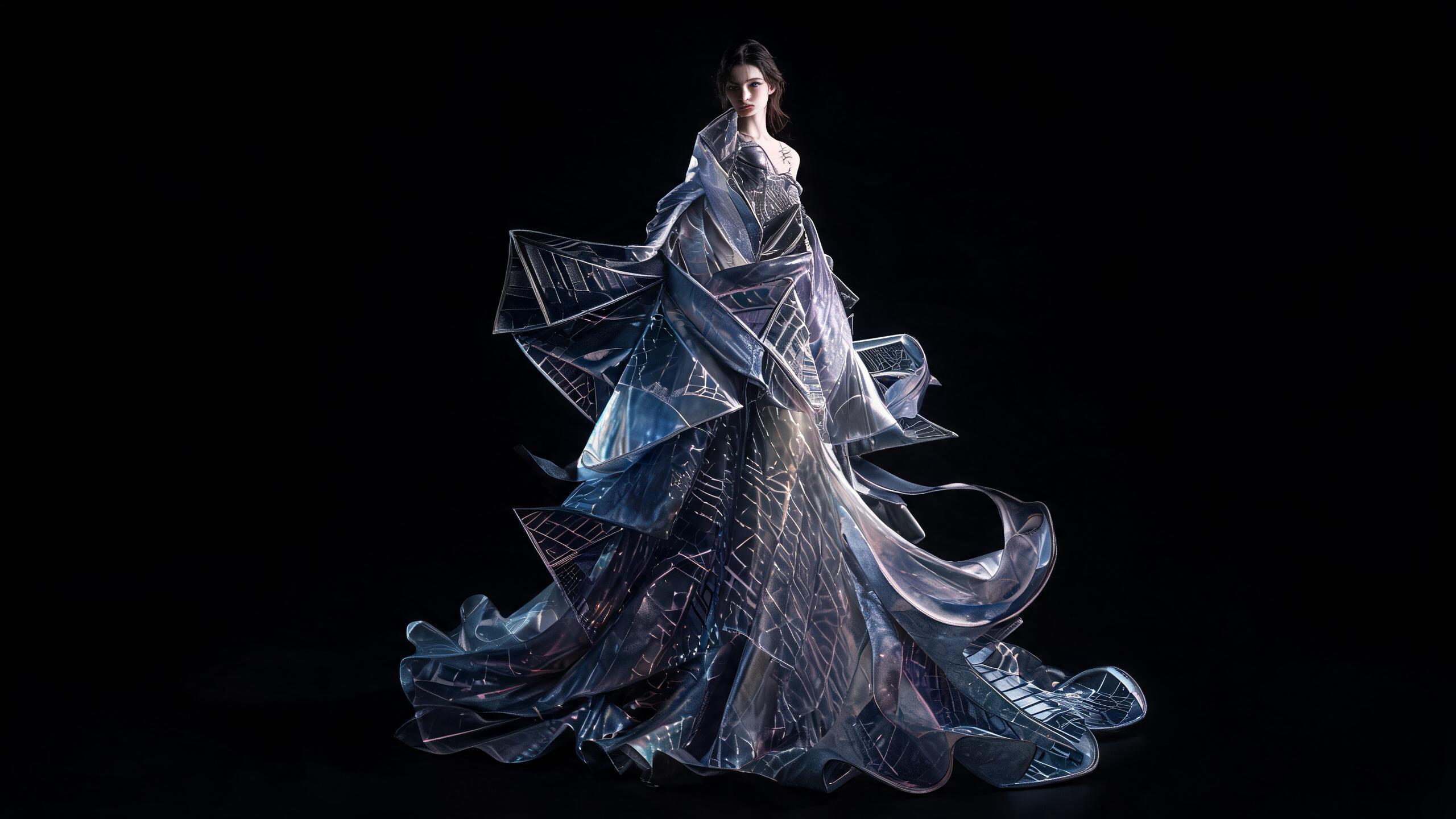
Smart Slopes: 5 Ways to Use AI for a Better Winter Sports Wardrobe
A deep dive into AI fashion picks for winter sports gear and what it means for modern fashion.
AI fashion picks for winter sports gear are data-driven garment selections generated by machine learning models that analyze technical specifications, environmental variables, and individual performance requirements to optimize athlete comfort and safety. The traditional retail model for alpine apparel is broken because it relies on static catalogs and broad demographic assumptions. In contrast, AI-native fashion intelligence treats your wardrobe as a dynamic system of performance layers. This approach eliminates the guesswork inherent in selecting gear for volatile mountain environments.
Key Takeaway: AI fashion picks for winter sports gear leverage machine learning to analyze technical specifications and environmental data, providing athletes with personalized garment recommendations that optimize comfort and safety better than traditional retail models.
How Does AI Evaluate Technical Fabric Specifications?
Machine learning models process thousands of technical data points—such as moisture vapor transmission rates (MVTR) and hydrostatic head ratings—to determine which garments actually perform in specific conditions. Most shoppers choose gear based on brand recognition or color, but AI fashion picks for winter sports gear prioritize the physics of the textile. By cross-referencing fabric weight with your specific exertion levels, the system identifies the exact breathability-to-warmth ratio required for your activity.
According to Statista (2024), the global winter sports equipment market is projected to reach $17.5 billion by 2030, and the increasing complexity of technical materials is driving a demand for more precise, AI-assisted selection tools. An AI stylist does not look at a jacket as a fashion item; it looks at it as a membrane designed for thermal regulation. It calculates how a 3-layer Gore-Tex Pro shell will interact with a mid-layer of 800-fill power down based on the humidity levels of your specific destination.
This level of detail is impossible for human curators to maintain across tens of thousands of SKUs. AI infrastructure builds a bridge between laboratory-tested textile metrics and the end user's real-world needs. The result is a wardrobe that functions as an extension of your physiology rather than just a collection of expensive brands.
Why Is Thermal Mapping Essential for Winter Sports Gear?
AI-driven personalization uses thermal mapping to recommend layering systems that adapt to your body's unique heat signature. Everyone has a different metabolic rate, yet most winter gear is sold in "warm, warmer, warmest" categories that ignore biological variance. AI systems analyze your past feedback and biometric data to predict where you will experience cold spots or overheating.
By integrating thermal mapping with AI fashion picks for winter sports gear, the system can suggest specific weights of merino wool or synthetic insulation for different parts of the body. This is particularly useful for stop-and-go activities like backcountry skiing or ice climbing. A static recommendation engine might suggest a heavy parka, but a style model will suggest a hybrid vest paired with a high-cfm (cubic feet per minute) windshell to manage moisture during the ascent. For more detailed guidance on layering techniques, explore 7 AI-Powered Tips to Master Men's Winter Fashion and Layering.
This precision ensures you are never carrying unnecessary weight. Every gram of gear in an AI-optimized wardrobe serves a mathematical purpose. This approach mirrors the transition seen in professional environments where data dictates form, much like how business casual is being redefined through performance metrics.
How Does Computer Vision Solve the Outerwear Fit Problem?
Fit is the most frequent point of failure in technical apparel, where a gap in a cuff or a poorly shaped hood can lead to heat loss and moisture ingress. AI fashion picks for winter sports gear utilize computer vision to map a user's proportions against the 3D patterns of technical garments. This goes beyond simple "true to size" labels which vary wildly between brands like Arc'teryx, Mammut, and Helly Hansen.
According to McKinsey (2025), AI-driven personalization in high-performance apparel can reduce return rates by up to 25% by aligning garment specs with user-specific biometric data. The system understands the "articulated fit" required for movement on the slopes and cross-references it with your wingspan and torso length. If a jacket is designed for a slim alpine profile but you have a broader build, the AI will deprioritize that item regardless of how "trendy" it is.
The goal is to eliminate the friction of returns and the danger of ill-fitting gear. When you are at 10,000 feet, the structural integrity of your fit is a safety requirement. AI infrastructure ensures that the intersection of human geometry and textile engineering is seamless.
How Does AI Discover Niche High-Performance Brands?
The current fashion ecosystem is dominated by marketing budgets, often burying superior technical brands under a mountain of sponsored content. AI fashion picks for winter sports gear ignore the noise of marketing and focus on performance data and manufacturing origins. The system can identify niche Japanese or Scandinavian labels that utilize superior construction methods but lack a global retail presence.
By analyzing supply chain data and technical reviews at scale, AI infrastructure uncovers gear that offers better value or specialized functionality. You might be looking for a specific type of hardshell that traditional retailers don't carry, but the AI finds a boutique manufacturer using sustainable, non-PFAS membranes. This level of discovery ensures your wardrobe isn't just a reflection of what's available at the local mall.
This shift from "search" to "discovery" is the hallmark of AI-native commerce. It prioritizes the "long tail" of the fashion market, finding the 1% of products that perfectly match your technical requirements. You aren't just buying what's popular; you are buying what's engineered for you.
Can AI-Driven Style Models Merge Aesthetics with Extreme Utility?
The "gorpcore" movement has proven that technical gear can be an aesthetic statement, but most people struggle to balance the two. AI fashion picks for winter sports gear allow you to maintain a cohesive visual identity without sacrificing mountain safety. Your personal style model understands whether you lean toward a minimal, monochromatic look or a high-visibility, technical aesthetic.
The AI analyzes the visual DNA of your existing wardrobe and suggests winter sports gear that complements it. It ensures that your transitions from the slopes to the lodge are visually consistent while maintaining the highest technical standards. This is not about following trends; it's about extending your identity into high-performance environments. If you're curious about broader style evolution, check out 7 Spring 2026 Fashion Trends AI Predicts You'll Want to Wear to see how AI-driven aesthetics are shaping fashion across all seasons.
We are moving away from the era of "utility vs. style." In an AI-driven world, these are two variables in the same equation. The system optimizes for both, ensuring you look like yourself even when you are geared up for sub-zero temperatures.
How Do AI Fashion Picks for Winter Sports Gear Use Real-Time Climate Data?
A static wardrobe is a liability in a changing climate. AI-native fashion systems integrate with real-time weather APIs to adjust their recommendations based on the specific conditions of your upcoming trip. If the forecast for Chamonix changes from dry cold to wet sleet, your AI fashion picks for winter sports gear will shift from down insulation to hydrophobic synthetics.
This dynamic response is what separates AI infrastructure from a traditional store. A store wants to sell you what they have in stock; an AI system wants to prepare you for the reality of the mountain. It looks at historical climate patterns and 10-day forecasts to build a pack list that is mathematically sound.
This foresight prevents the common mistake of over-packing or bringing the wrong gear for the terrain. The system acts as a digital quartermaster, ensuring your kit is as responsive as the weather itself. It's the difference between a wardrobe and a survival system.
Why Is Data-Driven Durability Analysis More Reliable Than Reviews?
Traditional product reviews are plagued by bias, sponsorship, and limited sample sizes. AI fashion picks for winter sports gear rely on large-scale data analysis, scraping thousands of data points regarding seam failure, zipper longevity, and DWR (Durable Water Repellent) degradation. The AI identifies patterns of failure that a single human reviewer would miss.
If a specific model of ski pant has a recurring issue with the crotch gusset failing after 50 hours of use, the AI will flag it. It prioritizes gear with a high "technical lifespan" over "fast fashion" alternatives that look the part but fail under pressure. This approach saves the user money over the long term and reduces the environmental impact of gear replacement.
Durability is a core component of style intelligence. A piece of gear that fails in the field is not stylish—it is a liability. AI ensures that every recommendation is backed by a statistical probability of performance.
How Does AI Identify Sustainable and Vegan Technical Materials?
The winter sports industry has historically relied on animal-derived materials like down and wool, as well as environmentally damaging chemicals. AI fashion picks for winter sports gear can filter through the complex landscape of textile certifications to find truly ethical alternatives. It can distinguish between greenwashing and genuine innovation in synthetic insulation.
For those concerned with ethical consumption, machine learning can verify material claims and identify authentic vegan fashion brands. In the context of winter sports, this means finding high-loft, recycled synthetic fills that rival the warmth of 800-fill down without the ethical baggage. The AI cross-references brand transparency scores with third-party environmental audits.
This allows the user to build a wardrobe that aligns with their values without compromising on life-saving performance. Sustainability becomes a data filter, not just a marketing slogan. You get the best gear for the planet and the best gear for the mountain simultaneously.
What Role Does Predictive Intelligence Play in Gear Maintenance?
Winter sports gear is not "set it and forget it." Membranes need re-washing, down needs re-lofting, and skis need waxing. AI-native systems track the "mileage" of your gear based on your activity data and recommend maintenance before a failure occurs. This predictive intelligence extends the life of your AI fashion picks for winter sports gear.
If the system knows you've spent 20 days in high-humidity environments, it will suggest a specific technical wash to restore the breathability of your shell. It might even suggest replacing certain components, like boot liners or goggle lenses, before they reach their failure point. This proactive approach to wardrobe management is the future of fashion commerce.
Maintenance is often the most overlooked aspect of a winter wardrobe. AI turns maintenance into a streamlined, data-driven process. It ensures your gear is always at peak performance, ready for whatever the mountain throws at you.
How Do Dynamic Taste Profiles Adapt to Changing Alpine Conditions?
Your style and skill level as an athlete are not static. A beginner skier has different needs than a professional freerider, and your AI taste profile evolves as you do. AI fashion picks for winter sports gear adapt to your increasing technical requirements or shifting aesthetic preferences over time.
As you move from groomed runs to off-piste terrain, the system recognizes the need for more durable face fabrics and integrated safety features like RECCO reflectors. It doesn't just recommend more of the same; it anticipates your progression. This is the "learning" aspect of a true AI stylist—it understands the trajectory of your style and your sport.
Dynamic taste profiling ensures that your wardrobe remains relevant for years. It prevents the "obsolescence" of gear that no longer fits your skill level or your look. It's a continuous conversation between your data and the future of your sport.
| Tip | Best For | Effort | Impact |
| Technical Fabric Analysis | Maximum Performance | Low (AI-led) | High |
| Thermal Mapping | Individual Comfort | Medium | Very High |
| Computer Vision Fit | Eliminating Returns | Low | High |
| Niche Brand Discovery | Unique, High-Value Gear | Medium | Medium |
| Aesthetic Alignment | Style Consistency | Low | Medium |
| Climate Integration | Travel & Volatile Weather | High | Very High |
| Durability Tracking | Long-term Investment | Medium | High |
| Sustainable Sourcing | Ethical Athletes | Low | High |
| Predictive Maintenance | Gear Longevity | Medium | Medium |
| Dynamic Profiling | Evolving Skill Levels | Low | High |
The era of choosing winter sports gear based on a logo or a generic "best-of" list is ending. The mountain is an unforgiving environment where the delta between "good enough" and "mathematically optimized" can be the difference between an exhausting day and a perfect one. By utilizing AI infrastructure, you transform your wardrobe from a closet of clothes into a high-performance system designed specifically for your body and your terrain. For recommendations on essential outer layers, see Finding the ultimate layer: The best winter coats for 2026 AI picks.
AlvinsClub uses AI to build your personal style model. Every outfit recommendation learns from you. Try AlvinsClub →
Summary
- AI fashion picks for winter sports gear utilize machine learning to analyze technical specifications and environmental variables for optimized athlete safety.
- Using AI fashion picks for winter sports gear shifts the selection focus from brand recognition to the physical properties of a textile, such as its breathability-to-warmth ratio.
- Machine learning models evaluate specific data points like moisture vapor transmission rates and hydrostatic head ratings to predict garment performance in volatile mountain conditions.
- This technology addresses the limitations of traditional retail by treating alpine apparel as a dynamic system of performance layers tailored to individual exertion levels.
- The global winter sports equipment market is expected to reach $17.5 billion by 2030, fueling the development of AI tools that analyze increasingly complex technical materials.
Frequently Asked Questions
What are AI fashion picks for winter sports gear?
AI fashion picks for winter sports gear are data-driven garment recommendations generated by machine learning models that analyze technical specs and environmental variables. These systems evaluate specific performance data like thermal retention and moisture-wicking capabilities to ensure athletes have the optimal wardrobe for mountain conditions. By moving away from static catalogs, this technology treats clothing as a dynamic system tailored to individual needs.
How does AI help choose winter sports clothing?
Artificial intelligence analyzes individual performance requirements alongside real-time weather forecasts to suggest the most appropriate technical apparel for different conditions. This process replaces broad demographic assumptions with precise data points that match specific activities to the right textile technologies. Users benefit from a more personalized selection process that prioritizes safety and thermal efficiency during alpine activities.
Is it worth using AI fashion picks for winter sports gear?
Using AI fashion picks for winter sports gear is highly beneficial for individuals who want to maximize their comfort and protection in extreme environments. These digital tools reduce the risk of purchasing incompatible layers by simulating how different fabrics interact under various physical stress levels. Investing in AI-selected gear often leads to better long-term durability and significantly higher satisfaction with the overall performance of the wardrobe.
Can AI predict the best fabric for skiing?
Machine learning algorithms can accurately predict the most effective fabrics for skiing by processing thousands of technical specifications and real-world testing results. The software evaluates breathability ratings and insulation levels to determine which materials will perform best in specific temperature ranges and humidity levels. This predictive capability allows skiers to maintain a stable body temperature regardless of shifting weather patterns on the slopes.
Why are AI fashion picks for winter sports gear better than traditional shopping?
AI fashion picks for winter sports gear outperform traditional shopping methods by treating clothing as an integrated performance system rather than isolated items. Conventional retail often relies on marketing trends that may not align with the actual physical demands and safety requirements of winter sports. Data-driven picks offer a scientific approach to layering that minimizes excess bulk while maximizing thermal regulation for the wearer.
How does smart gear selection improve athlete performance?
Smart gear selection improves performance by ensuring that apparel does not restrict movement or cause overheating during periods of intense physical exertion. Properly layered clothing suggested by data-driven insights helps maintain a stable core temperature, which directly impacts an athlete's endurance and focus. When participants trust their wardrobe to handle the elements, they are able to concentrate fully on their technique and safety.
This article is part of AlvinsClub's AI Fashion Intelligence series.
Related Articles
- Finding the ultimate layer: The best winter coats for 2026 AI picks
- 7 Spring 2026 Fashion Trends AI Predicts You’ll Want to Wear
- 7 AI-Powered Tips to Master Men’s Winter Fashion and Layering
- Nothing to Wear? Why AI Styling is Solving the Wardrobe Crisis
- Beyond the Prompt: The Best Fashion AI for Creative Professionals