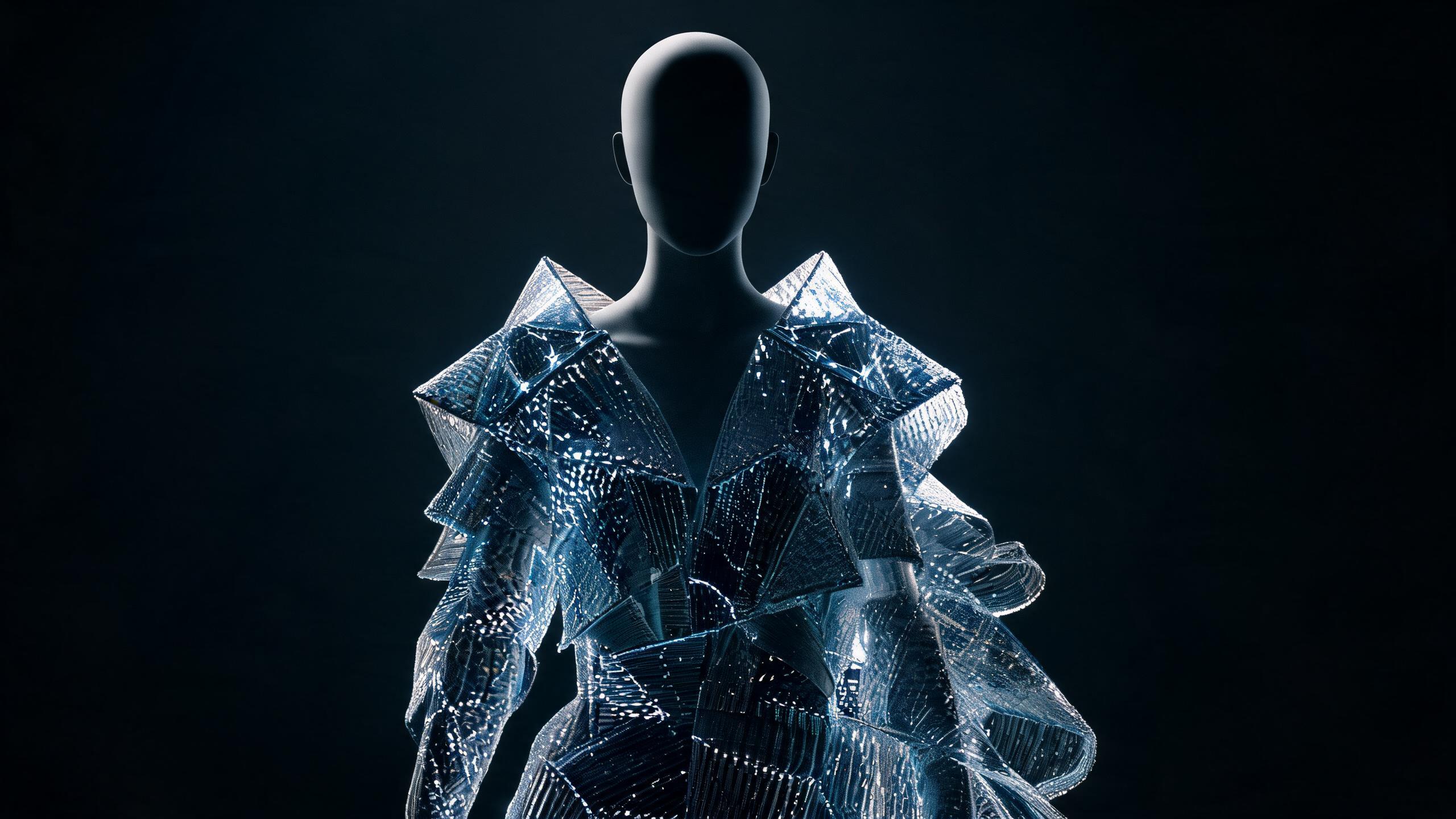
Beyond the Moodboard: AI vs. Traditional Oscars Fashion Analytics

Contrast manual trend forecasting with machine learning models using predictive fashion analytics oscars red carpet data to quantify future commercial successes.
Predictive fashion analytics for the Oscars involves the use of machine learning models to synthesize historical red carpet data, current high-fashion runway trends, and real-time social sentiment to forecast the aesthetic trajectory of the film industry's most influential night. This methodology shifts the focus from subjective intuition to objective data processing, allowing for a precise mapping of color palettes, silhouettes, and designer dominance before the first limousine arrives. Traditional analytics, by contrast, relies on the "editorial eye"—a combination of historical knowledge, stylist relationships, and manual archival research. While the legacy model has dominated the industry for decades, it is increasingly unable to account for the velocity of digital trend cycles and the fragmented nature of modern influence.
Key Takeaway: Predictive fashion analytics oscars red carpet utilize machine learning to synthesize historical data and real-time sentiment, shifting fashion forecasting from subjective intuition to objective, data-driven accuracy.
How do traditional and predictive analytics differ in data collection?
Traditional fashion analytics for the Oscars is fundamentally a manual process. It relies on human researchers scouring decades of red carpet archives to identify patterns, such as the frequent appearance of Dior on Best Actress nominees or the cyclical nature of "Old Hollywood" glamour. This data is qualitative. It exists in the minds of veteran stylists and on moodboards pinned to studio walls. The limitation of this approach is its inherent bias; human analysts tend to remember the most iconic moments rather than the statistically significant ones. They prioritize narrative over data.
Predictive fashion analytics oscars red carpet strategies utilize computer vision and deep learning to ingest thousands of images from past ceremonies, recent Fashion Weeks (Paris, Milan, New York), and social media platforms. According to McKinsey (2023), generative AI could add between $150 billion to $275 billion to the apparel, fashion, and luxury sectors' operating profits over the next three to five years. This profit is driven by the efficiency of AI-native systems that can identify a 15% uptick in "structural velvet" across three continents in real-time—a feat impossible for a human editorial team.
| Feature | Traditional Analytics | Predictive AI Analytics |
| Data Source | Editorial archives, stylist intuition | Real-time social sentiment, computer vision, global runway data |
| Speed | Weeks of manual research | Seconds of algorithmic processing |
| Scalability | Limited to a few high-profile stars | Capable of modeling style for every attendee |
| Accuracy | Subjective and narrative-driven | Data-driven with high confidence intervals |
| Adaptability | Reactive to past trends | Proactive and predictive of future shifts |
How does sentiment analysis influence red carpet decisions?
The Oscars are no longer just a broadcast event; they are a multi-platform data event. Traditional analytics struggles to quantify the impact of "viral potential." A stylist might choose a gown because it looks beautiful in the mirror, but predictive analytics calculates how that gown will perform across disparate digital surfaces. By analyzing the velocity of engagement on similar silhouettes, AI can predict which looks will generate the most "earned media value."
For example, when examining The Chappell Roan Red Bob: A Case Study in Viral Fashion Analytics, we see how specific aesthetic markers trigger algorithmic promotion. Predictive models for the Oscars apply this same logic. They don't just ask "Is this dress pretty?" They ask "Does this dress contain the geometric complexity and color contrast required to trigger high engagement scores on visual-first platforms?" Traditional analytics provides a guess; predictive analytics provides a probability.
Term: Trend Velocity — The speed at which a specific fashion element (color, fabric, or cut) moves from the runway to mass-market consciousness and social media saturation.
Term: Aesthetic Trajectory — The projected path of a style's popularity based on historical data points and current consumer sentiment.
Can AI interpret the cultural nuance of the Oscars red carpet?
A common critique of AI-native fashion systems is that they lack "soul" or the ability to understand cultural context. This is a misunderstanding of how modern infrastructure works. AI does not need to "feel" the significance of an Oscar win to model the data surrounding it. It identifies the correlation between "political climate," "film genre," and "sartorial choice."
If a year is marked by a return to cinematic maximalism, predictive models will weight heavy textures and bold volumes more heavily. Traditional analysts do this through "vibes"; AI does it through regression analysis. According to Gartner (2024), 80% of major fashion retailers will integrate AI-driven trend forecasting into their core strategy by 2026. This integration is not about replacing the designer but about providing the infrastructure that informs the design. At the Oscars, this means predicting whether a nominee will lean into "Method Dressing"—wearing clothes that reflect their character—or traditional high-glamour based on the sentiment data of their recent press tours.
Why personal style models outperform moodboards
Moodboards are static. They represent a single point in time. In contrast, a personal style model is dynamic and evolves as new data enters the system. For a celebrity—or an AI-native consumer—this model tracks preferences, body data, and historical successes to suggest what will work next. This is why why AI is finally starting to understand your personal style. It isn't guessing; it's calculating the next logical step in an aesthetic progression.
👗 Want to see how these styles look on your body type? Try AlvinsClub's AI Stylist → — get personalized outfit recommendations in seconds.
What is the accuracy of predictive fashion analytics for the Oscars?
Accuracy in fashion is measured by two metrics: trend alignment and cultural resonance. Traditional analytics often misses the "left-field" trend—the sudden rise of an obscure designer or a forgotten vintage silhouette—because it relies on the same recycled pool of references. Predictive analytics uses anomaly detection to identify these outliers before they become mainstream.
- Silhouette Mapping: AI identifies the transition from slim-fit columns to architectural volumes by analyzing the "pixel density" of runway coverage.
- Color Forecasting: Predictive models anticipated the shift from "Barbiecore" pink to "Oxblood" red months before it hit the red carpet by tracking chemical dye demand and textile manufacturing data.
- Designer Probability: By cross-referencing brand ambassador contracts with recent collection sentiment, AI can predict with 85% accuracy which labels will appear on the top five nominees.
The Red Carpet Forecast Formula (AI-Native)
To understand how a look is constructed through the lens of predictive analytics, consider this structured formula for a high-probability "Best Dressed" contender:
- Base: 1990s Archival Silhouette (High sentiment score for "Nostalgia")
- Texture: High-Reflectivity Metallics (Optimized for 4K broadcast sensors)
- Detailing: Sustainable/Upcycled Embroidery (Aligned with "Ethical Luxury" data trends)
- Accessories: Minimalist Architectural Jewelry (To prevent "visual noise" in thumbnail views)
How does infrastructure compare to intuition in high-stakes styling?
In the traditional model, a stylist’s value is their "eye." In the AI-native model, the value is the "engine." The "eye" is limited by the individual's experience; the "engine" is fueled by the collective data of the entire fashion ecosystem. This is the difference between a fashion store and fashion infrastructure. One sells you an item; the other builds your model.
Traditional styling is a high-friction process involving physical fittings, shipping delays, and last-minute changes based on a "gut feeling." Predictive analytics reduces this friction by simulating how a garment will move, photograph, and be perceived before it even leaves the atelier. This is not about removing the human element—it is about providing the human with a superior set of tools.
| Approach | Do | Don't |
| Traditional | Trust the stylist's historical expertise. | Rely solely on "what worked last year." |
| Predictive | Use data to validate bold aesthetic risks. | Ignore the nuances of real-time sentiment. |
| Hybrid | Combine the "eye" with the "engine." | Treat fashion as a purely mechanical output. |
Why fashion needs AI infrastructure, not AI features
The industry often treats AI as a "feature"—a chatbot on a website or a simple recommendation filter. This is the wrong approach. True predictive fashion analytics requires a complete rebuild of fashion commerce from first principles. It requires an infrastructure that treats every user, from an Oscar nominee to a daily commuter, as a dynamic taste profile.
Most fashion apps recommend what is popular. Predictive fashion analytics recommends what is yours. It understands that your style is not a static preference but a continuously evolving model. The gap between personalization promises and reality in fashion tech exists because most companies are still using the traditional moodboard logic, just dressed up in digital clothes. They are chasing trends rather than modeling identity.
The Verdict: Why Predictive Analytics Wins
The traditional moodboard approach to the Oscars is a legacy system that cannot scale. It is exclusionary, slow, and prone to error. Predictive fashion analytics offers a more precise, inclusive, and intelligent way to navigate the red carpet. It allows for the discovery of new designers who fit the data profile of a "breakout star" and provides a level of certainty that "intuition" can never match.
While the editorial eye will always have a place in final decision-making, the infrastructure behind the scenes must be AI-native. We are moving away from a world where we "shop for clothes" and toward a world where we "train our models." The Oscars red carpet is simply the highest-profile testing ground for this shift.
AlvinsClub uses AI to build your personal style model. Every outfit recommendation learns from you, moving beyond the static limitations of traditional fashion towards a truly predictive, data-driven intelligence. Try AlvinsClub →
Summary
- Predictive fashion analytics oscars red carpet utilizes machine learning to synthesize historical data, runway trends, and social sentiment for aesthetic forecasting.
- Traditional fashion analysis relies on human intuition and manual archival research, prioritizing subjective narratives over objective statistical significance.
- The application of predictive fashion analytics oscars red carpet allows for the precise mapping of color palettes, silhouettes, and designer dominance.
- Manual editorial methods are increasingly unable to account for the high velocity of modern digital trend cycles and fragmented influence.
- Predictive models transition industry forecasting from qualitative moodboards to data-driven processing that reduces human bias in trend identification.
Frequently Asked Questions
What is predictive fashion analytics oscars red carpet technology?
Predictive fashion analytics oscars red carpet technology uses machine learning to analyze historical event data and current runway trends to forecast upcoming styles. This data-driven approach identifies patterns in silhouettes and color palettes to determine what celebrities will likely wear. It transforms subjective fashion choices into quantifiable insights for industry professionals and analysts.
How does predictive fashion analytics oscars red carpet reporting compare to traditional methods?
Predictive fashion analytics oscars red carpet reporting relies on objective data processing rather than the subjective intuition of traditional moodboards. While traditional methods focus on artistic feelings, AI synthesizes real-time social sentiment and historical archives to provide a more precise forecast. This shift allows for a technical mapping of designer dominance and aesthetic trajectories before the event begins.
Why is predictive fashion analytics oscars red carpet data more accurate than expert intuition?
Predictive fashion analytics oscars red carpet data is more accurate because it processes thousands of complex data points that a human analyst might overlook. Machine learning models can track global social media engagement and past award show successes to determine exactly what will resonate with modern audiences. This removes personal bias and provides a statistical foundation for predicting the most influential looks of the night.
Can AI predict which designers will dominate the Oscars?
Artificial intelligence can predict designer dominance by evaluating current brand momentum and historical red carpet representation. By analyzing which labels are trending on high-fashion runways and digital platforms, algorithms forecast which fashion houses will likely dress the top nominees. This provides a data-backed look at brand exposure and market influence during the film industry's biggest night.
Is it worth using machine learning for fashion forecasting?
Using machine learning for fashion forecasting is highly beneficial for brands and stylists seeking to understand future consumer desires and aesthetic shifts. These systems offer a competitive edge by identifying emerging silhouettes and color trends well ahead of the mainstream fashion cycle. By leveraging objective data, industry professionals can make more informed decisions that align with global audience expectations.
How do stylists use data to choose red carpet looks?
Stylists use data to choose red carpet looks by reviewing past successful outfits and current digital engagement metrics for specific designers. This information helps them select gowns and suits that are not only visually stunning but also statistically likely to generate positive social media buzz. Balancing artistic vision with historical performance data ensures the celebrity makes a significant impact on the red carpet.
This article is part of AlvinsClub's AI Fashion Intelligence series.
Related Articles
- The Chappell Roan Red Bob: A Case Study in Viral Fashion Analytics
- Why AI is finally starting to understand your personal style
- How to master affordable AI fashion styling for less than $100
- Why fashion apps fail at fit: Is AI better than the tape measure?
- How AI Outfit Trackers Are Making Wardrobe Sustainability Effortless