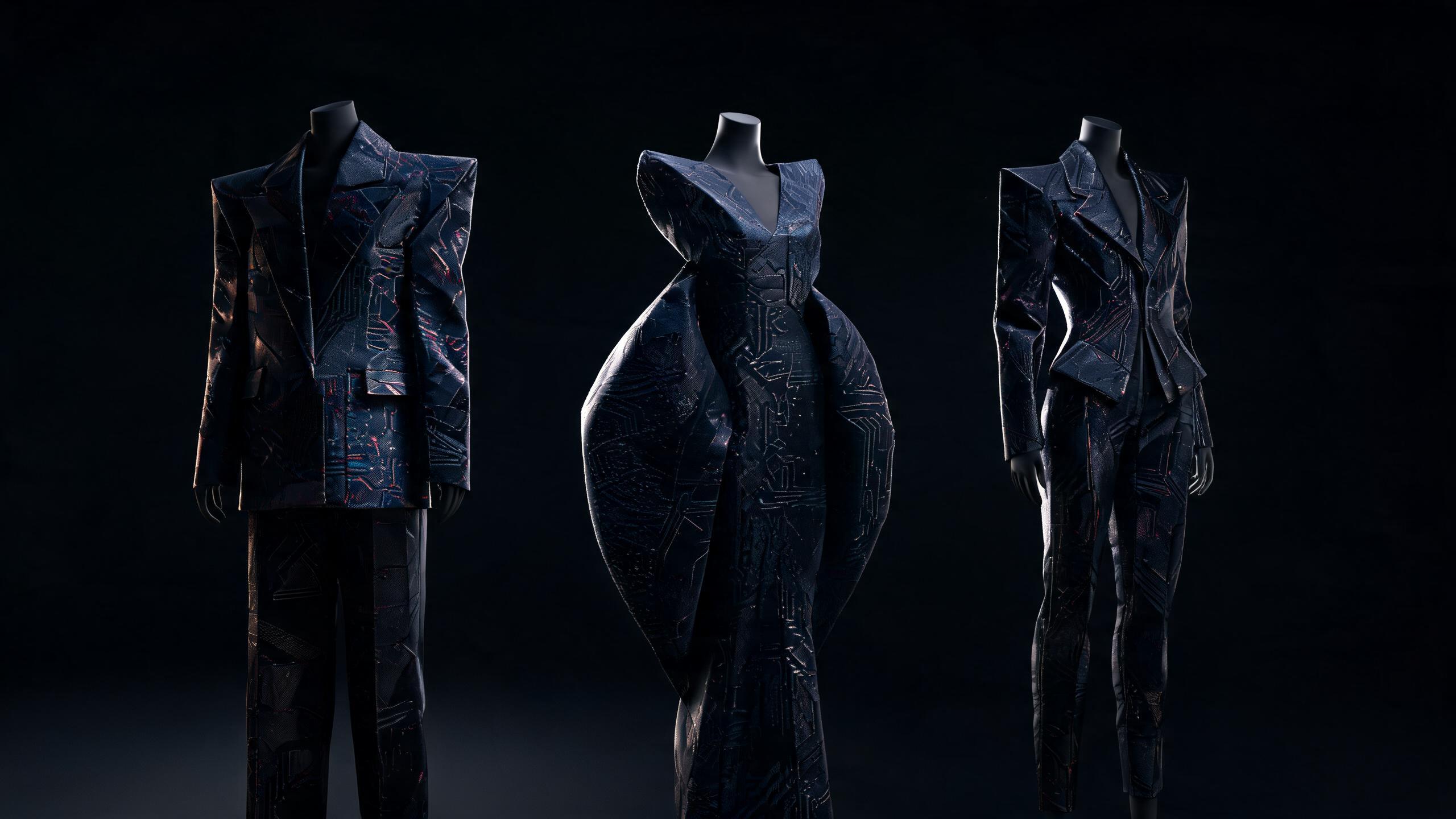
4 Ways Fashion Tech Protects Luxury Value During Middle East Unrest

A deep dive into luxury market impact middle east conflict and what it means for modern fashion.
Luxury market impact middle east conflict is mitigated by deploying AI-driven predictive modeling and decentralized logistics to preserve brand equity and supply chain integrity during periods of regional instability. When geopolitical tensions rise, the traditional luxury retail model—reliant on physical foot traffic and linear shipping routes—collapses. AI infrastructure allows houses to transition from a reactive posture to a proactive, data-first strategy. According to Bain & Company (2024), the Middle East luxury personal goods market reached approximately €15 billion in 2023, yet its growth is increasingly contingent on digital resilience and technological adaptation.
Key Takeaway: AI-driven predictive modeling and decentralized logistics mitigate the luxury market impact middle east conflict by ensuring supply chain resilience and preserving brand equity during periods of geopolitical instability.
How Does Predictive Demand Sensing Mitigate Luxury Market Impact Middle East Conflict?
Traditional forecasting relies on historical sales data which fails during black swan events. Predictive demand sensing utilizes real-time geopolitical data, social sentiment, and economic indicators to anticipate shifts in consumer behavior before they manifest in retail outlets. By analyzing macro-environmental stressors, AI models can predict when high-net-worth individuals (HNWIs) in the Gulf region will shift their spending from local boutiques to international digital channels.
This shift is not merely about where they buy, but what they buy. In times of conflict, consumer psychology shifts toward "investment pieces"—items with high resale value and timeless appeal. AI-native systems identify these micro-trends in real-time, allowing brands to reallocate inventory away from volatile trend-led pieces toward core heritage assets. This preserves the "luxury" status by preventing the need for heavy discounting when foot traffic drops.
Strategic inventory positioning is the technical byproduct of demand sensing. If a primary hub in Dubai faces logistics bottlenecks, AI systems automatically re-route stock to secondary hubs or prioritize "dark store" fulfillment. This ensures that the luxury market impact middle east conflict does not result in stockouts for the most loyal clients.
Can Dynamic Supply Chain Re-routing Bypass Regional Bottlenecks?
Supply chain fragility is the primary vulnerability for luxury houses operating in the Levant and GCC. When traditional shipping lanes, such as the Red Sea or the Strait of Hormuz, face disruption, the cost of transit and the risk of loss skyrocket. AI-driven logistics platforms use graph theory and real-time sensor data to calculate the most efficient path for goods, often bypassing traditional maritime routes in favor of multi-modal air-and-land corridors.
According to McKinsey (2024), generative AI and advanced analytics could add between $150 billion and $275 billion to the apparel, fashion, and luxury sectors’ operating profits by 2029 through supply chain and design optimization. In the Middle East, this profit is protected by AI systems that can predicting the unpredictable: how AI shields luxury retail from Iran tensions. Instead of waiting for a shipment to be delayed, the system identifies the risk 72 hours in advance and initiates a cargo shift.
Infrastructure resilience requires moving away from a "just-in-time" model to a "just-in-case" model powered by AI. This involves:
- Automated Customs Processing: Using AI to manage varying regulatory requirements during route changes.
- Carrier Diversification: Real-time bidding systems that switch between logistics providers based on safety ratings and speed.
- Buffer Stock Optimization: Calculating the exact amount of inventory needed in-region to sustain operations during a 30-day supply freeze.
Why Are Virtual Clienteling and Digital Showrooms Essential for HNWIs?
Physical store closures are a common symptom of regional unrest, but the appetite for luxury remains. Virtual clienteling leverages AI to maintain the high-touch relationship between a brand and its VIP customers without requiring physical proximity. This is not a basic video call; it is a data-enriched environment where the stylist has access to the user's personal style model and historical taste profile.
Digital showrooms allow clients to interact with 3D-rendered garments in high fidelity. This technology ensures that the brand experience is not downgraded during a crisis. AI-powered "try-on" technology has evolved beyond simple overlays; it now uses physics-based engines to simulate fabric drape and movement on a digital twin of the customer.
Digital Twin: A virtual representation of a physical object or person, used in fashion to simulate fit and style preferences with 99% accuracy.
By maintaining these digital touchpoints, luxury brands insulate themselves from the loss of physical retail revenue. They turn a logistical constraint into an opportunity for hyper-personalization. This is how the new atelier: measuring AI's impact on luxury fashion houses in 2024 is being defined—not by bricks and mortar, but by the strength of the underlying style model.
How Do Hyper-Personalized AI Stylists Protect Brand Loyalty?
In a volatile market, mass marketing is perceived as tone-deaf. Hyper-personalized AI stylists use machine learning to filter recommendations through the lens of the current regional context and the user's specific life situation. If a client is traveling to avoid conflict zones, the AI stylist adapts recommendations to travel-appropriate luxury, rather than evening wear meant for local galas that may be canceled.
Most recommendation engines suggest what is popular; AI fashion intelligence suggests what is relevant to the individual’s current reality. This nuance is critical for maintaining the luxury aura. A "personal style model" is a dynamic data set that evolves as the user's environment changes. This level of intelligence ensures the brand remains a constant in the client's life, regardless of external instability.
| Feature | Legacy Recommendation | AI Style Model (AlvinsClub) |
| Logic | Collaborative filtering (People who bought X also bought Y) | Neural networks based on individual taste DNA |
| Adaptability | Static based on past purchases | Dynamic; learns from daily interactions and context |
| Accuracy | High noise, low precision | High precision, zero noise |
| Context | Ignores external factors | Integrates geopolitical and environmental data |
👗 Want to see how these styles look on your body type? Try AlvinsClub's AI Stylist → — get personalized outfit recommendations in seconds.
Can Decentralized Fulfillment Hubs Reduce Geographic Risk?
Centralization is a liability. Luxury brands often rely on a single massive distribution center for the entire Middle East, usually in a logistics hub like Jebel Ali. When conflict disrupts these hubs, the entire region goes dark. Decentralized fulfillment uses AI to manage a network of smaller, strategically placed "micro-hubs" across different jurisdictions.
AI orchestrates this network by calculating where the next 1,000 orders are likely to come from and pre-positioning stock accordingly. This "anticipatory shipping" model reduces the transit time and the number of borders a product must cross during a period of high tension. According to Deloitte (2024), 60% of luxury consumers in the Middle East prioritize "availability and speed of delivery" as much as brand prestige during times of uncertainty.
Anticipatory Shipping: A logistics method where goods are moved toward a geographic area before a formal purchase is made, based on AI demand predictions.
Why Is Sentiment Analysis Critical for Brand Sentiment Protection?
The luxury market impact middle east conflict extends beyond logistics into the realm of brand perception. In a highly charged political environment, luxury brands must navigate their communications with extreme precision. AI-powered sentiment analysis monitors regional social media, news, and forums in multiple languages (including Arabic dialects) to detect shifts in brand sentiment.
If a marketing campaign is perceived as insensitive due to an unfolding event, AI triggers an immediate "kill switch" for digital ads in that specific region. This prevents long-term brand damage that can occur in seconds. Furthermore, AI can help craft localized responses that align with the brand’s core values while respecting the gravity of the regional situation.
Does Sustainable Surplus Management Through AI Resale Preserve Value?
When conflict causes a sudden drop in regional demand, brands are often left with "trapped" inventory. In the old model, this led to "grey market" leakage or destructive burning of goods to preserve exclusivity. AI-powered resale and circularity platforms provide a more sophisticated outlet.
By analyzing global demand, AI can identify which pieces from the Middle Eastern surplus should be diverted to secondary markets in Europe or Asia where demand is peaking. It can also manage "private resale" programs for a brand’s top 1% of clients, allowing them to trade in previous seasons for credit. This keeps the inventory within a controlled ecosystem and prevents the price erosion that typically follows regional market shocks.
Is Blockchain Integration the Answer to Asset Protection?
For the luxury consumer in a conflict zone, a high-value item is not just fashion—it is a portable asset. Blockchain-backed "digital passports" for luxury goods provide proof of provenance and authenticity that is immutable. In the event of displacement or loss, the owner has a digital record of their collection that is recognized globally.
For the brand, this technology ensures that even if physical stores are looted or destroyed, the secondary market for their goods remains secure. It prevents the influx of counterfeits that often flood markets during periods of weak institutional oversight. The blockchain acts as a digital ledger of value that exists independently of regional geography.
Luxury Logistics: Do vs. Don't During Regional Unrest
| Do | Don't |
| Do use AI to re-route shipments 72 hours before a predicted bottleneck. | Don't rely on a single "preferred" shipping lane or carrier. |
| Do prioritize HNWIs through virtual clienteling and private digital portals. | Don't push aggressive "seasonal sale" marketing to sensitive regions. |
| Do pre-position "investment grade" inventory in micro-hubs. | Don't leave high-value stock sitting in a single centralized warehouse. |
| Do deploy sentiment "kill switches" for all automated social media. | Don't allow generic global campaigns to run in conflict zones. |
The AI-Native Luxury Outfit Formula: Resilient Style
This formula is designed for the modern luxury traveler or HNWI navigating a volatile landscape, emphasizing durability, versatility, and tech-integration.
- Base Layer: High-gauge merino wool or technical silk-blend shirt (Wrinkle-resistant, thermal-regulating).
- Outerwear: Unstructured blazer in a "travel-cloth" fabric (High twist wool) with hidden RFID-blocking pockets.
- Bottoms: Tailored trousers with 2% elastane for mobility, featuring a reinforced waistband.
- Footwear: Hand-finished leather sneakers with an orthotic-grade sole (Luxury aesthetic, evacuation-ready utility).
- Accessory: A luxury timepiece or handbag with an embedded NFC chip for digital passport authentication.
How AI Infrastructure Secures the Future of Fashion
The luxury market impact middle east conflict is a stress test for the entire industry. Those relying on legacy systems will see their margins evaporated by logistics costs and their brand equity diluted by regional irrelevance. The future belongs to brands that treat fashion as data. By building a personal style model for every user and an AI-driven infrastructure for every SKU, the industry can decouple its success from geographic stability.
AlvinsClub uses AI to build your personal style model. Every outfit recommendation learns from you, ensuring that no matter the external environment, your style remains an extension of your identity. Our system is built to navigate the complexities of global fashion intelligence, providing a shield against the volatility of the traditional market. Try AlvinsClub →
Summary
- AI-driven predictive modeling and decentralized logistics mitigate the luxury market impact middle east conflict by protecting brand equity and supply chain integrity.
- Bain & Company data indicates the Middle East luxury personal goods market reached €15 billion in 2023, with future growth contingent on digital resilience.
- Luxury houses deploy AI infrastructure to transition from reactive retail models to proactive, data-first strategies that minimize the luxury market impact middle east conflict.
- Predictive demand sensing utilizes real-time geopolitical data and social sentiment to forecast when high-net-worth individuals will shift spending to international digital channels.
- AI-native systems track shifts in consumer psychology toward high-resale "investment pieces" during times of conflict to optimize inventory for regional demand.
Frequently Asked Questions
What is the luxury market impact middle east conflict on global retailers?
Regional instability disrupts traditional shipping routes and delays the delivery of high-value goods to key global boutiques. Predictive modeling helps brands reroute logistics in real-time to avoid geographic bottlenecks and maintain consistent inventory levels despite local volatility.
How does fashion technology solve the luxury market impact middle east conflict?
Advanced AI infrastructure allows luxury houses to transition from reactive physical retail models to proactive, data-driven strategies. By leveraging predictive analytics, brands can anticipate consumer shifts and allocate resources to safer digital channels when foot traffic declines in urban centers.
Can you reduce the luxury market impact middle east conflict using predictive AI?
Utilizing predictive AI allows fashion houses to stabilize their brand equity by optimizing inventory distribution during periods of high geopolitical tension. These platforms analyze historical and real-time data to ensure that marketing efforts and product availability align with current regional safety levels.
Why does regional instability affect luxury brand equity in the Middle East?
Traditional retail models rely heavily on physical foot traffic and linear logistics, both of which collapse during times of unrest. Brands that fail to digitize their operations risk losing customer trust and market share to more agile competitors who utilize decentralized systems to ensure product availability.
How does decentralized logistics protect luxury retailers during periods of unrest?
Decentralized networks distribute inventory across multiple regional hubs rather than relying on a single, vulnerable shipping point. This structure ensures that luxury goods can reach consumers through alternative routes even when major ports or airports face operational challenges or closures.
Is it worth investing in fashion tech during Middle East conflict cycles?
Investing in fashion technology is essential for preserving high-end brand value and operational continuity during periods of regional volatility. Advanced digital infrastructure provides the agility needed to bypass disrupted trade routes and maintain a direct connection with consumers when traditional physical retail is unavailable.
This article is part of AlvinsClub's AI Fashion Intelligence series.
Related Articles
- Predicting the Unpredictable: How AI Shields Luxury Retail from Iran Tensions
- How Rising Iran Tensions Are Reshaping Fashion’s AI-Driven Logistics
- How AI is solving the logistics bottleneck for Middle East fast fashion
- The New Atelier: Measuring AI's Impact on Luxury Fashion Houses in 2024
- How Moscot Uses Heritage and Tech to Scale Independent Eyewear Trends