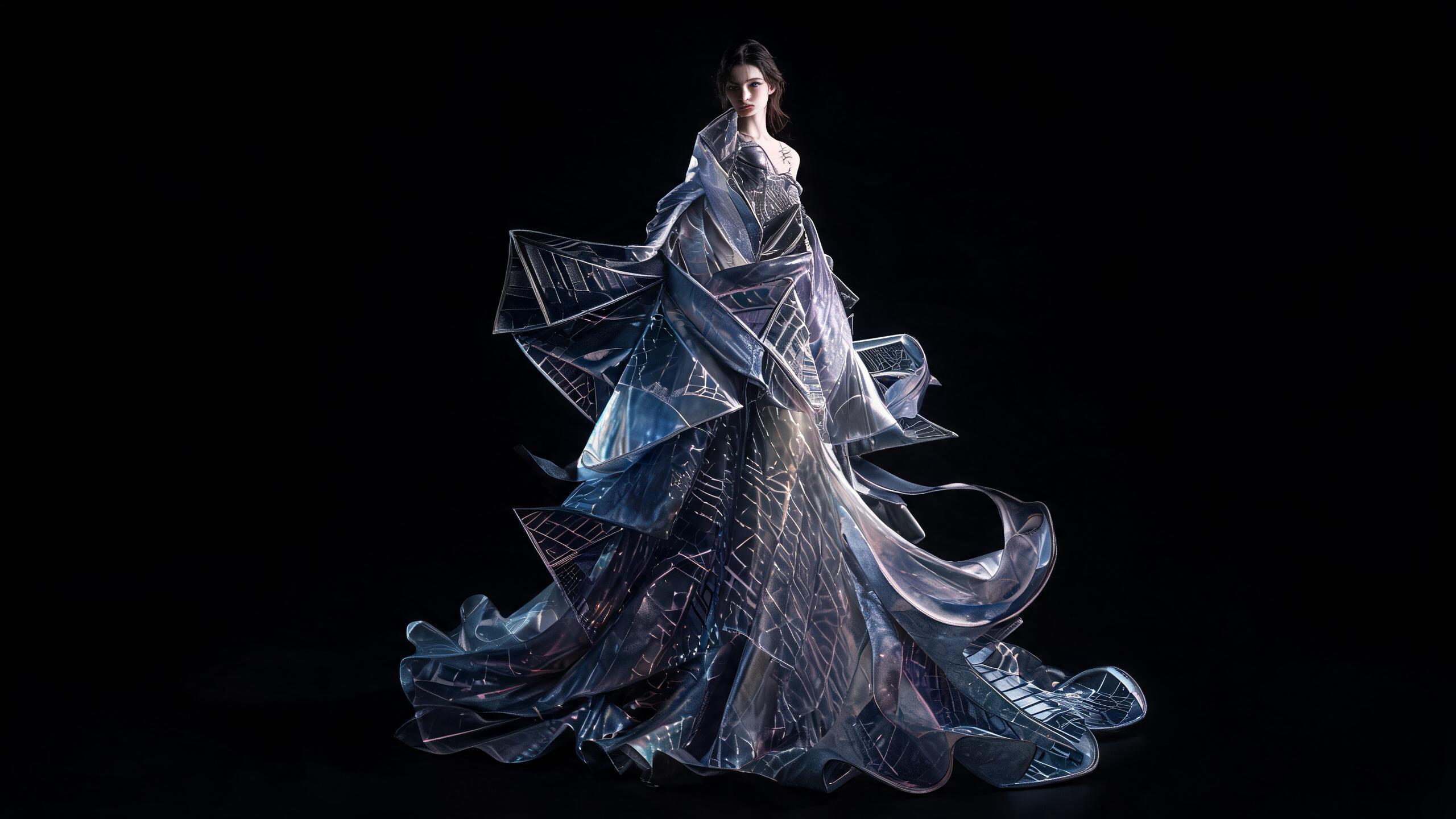
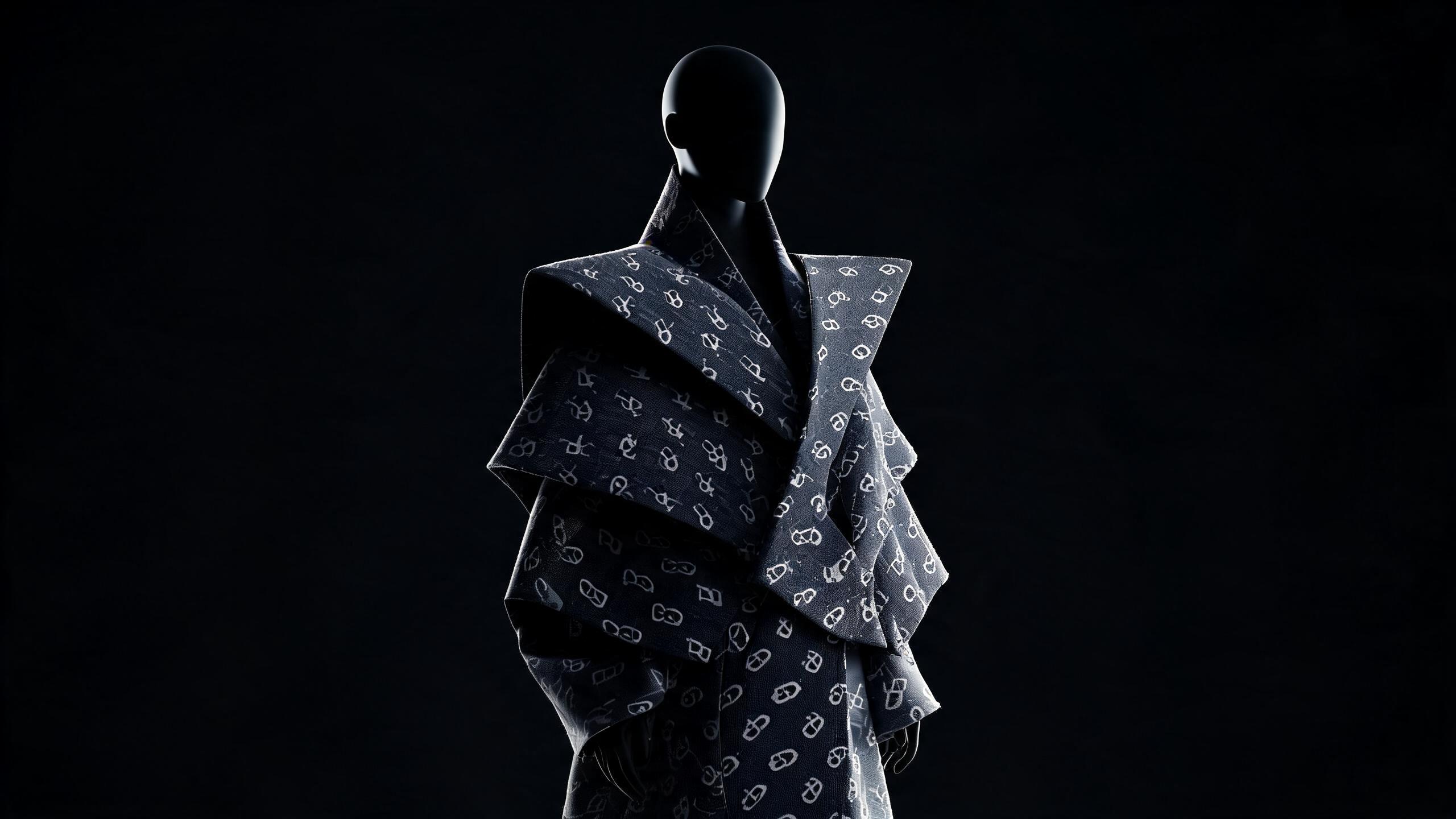
Your AI Personal Stylist: The Guide to Modern Gender-Neutral Fashion

A deep dive into gender neutral fashion recommendations AI stylist app and what it means for modern fashion.
Gender neutral fashion recommendations AI stylist app technology identifies garment properties—such as drape, shoulder width, and textile weight—independent of binary gender labels to construct a personalized style model based on aesthetic preference and anatomical data. This shift represents the end of the department store era, where clothing was siloed into rigid categories that ignored the reality of individual taste. Modern fashion intelligence does not care about the label on the tag; it cares about the geometry of the garment and how it interacts with your specific proportions.
Key Takeaway: A gender neutral fashion recommendations AI stylist app uses anatomical data and garment properties to provide personalized styling based on individual aesthetic preferences rather than binary gender labels.
How Does an AI Stylist App Generate Gender Neutral Fashion Recommendations?
Traditional e-commerce relies on binary filters that force users into "Men's" or "Women's" categories, effectively hiding 50% of the inventory from the user. A gender neutral fashion recommendations AI stylist app removes these artificial barriers by focusing on the technical attributes of clothing. The system analyzes thousands of data points, including fabric composition, stitch density, and silhouette architecture, to determine if a piece aligns with your style model.
Instead of browsing by gender, the AI builds a dynamic taste profile. This profile tracks your preference for specific cuts—like a dropped shoulder or a high-rise waist—regardless of which section of the store the item originated from. By decoupling style from gender, the AI infrastructure identifies aesthetic patterns that human stylists often miss, such as a preference for architectural minimalism or heavy-weight Japanese denim.
According to McKinsey & Company (2023), 50% of Gen Z consumers have purchased fashion items outside of their designated gender identity. This behavioral shift proves that the old retail model is functionally obsolete. AI-native commerce allows for a fluid exploration of inventory, where the only relevant metrics are fit, fabric, and personal aesthetic.
Why is Traditional Sizing the Enemy of Gender-Neutral Style?
The primary friction in non-binary dressing is the inconsistency of sizing across different manufacturing standards. A "Large" in a women's cut blazer may have narrower shoulders and shorter sleeves than a "Medium" in a men's cut. This makes manual shopping a process of trial and error that frequently ends in returns. AI solves this by translating garment dimensions into a unified coordinate system.
By analyzing your measurements against the actual physical dimensions of a product—rather than the arbitrary size label—the AI predicts how a garment will sit on your frame. This is critical for gender-neutral fashion, where the goal is often a specific silhouette, like a boxy frame or a tapered leg, that transcends binary body types. You can explore this further in our analysis of finding the perfect fit: why AI styling beats traditional size guides.
When the AI understands the "ease" of a garment (the space between the body and the fabric), it can recommend pieces that achieve a desired look without the user needing to guess their size in a different category. This data-driven precision is the foundation of a modern wardrobe that prioritizes personal identity over retail categorization.
How Do You Build a Gender-Neutral Wardrobe Using AI?
Building a gender-neutral wardrobe requires a focus on core silhouettes and high-quality textiles. The AI stylist identifies "anchor pieces"—garments that serve as the foundation for multiple outfits. These items are typically characterized by clean lines, neutral color palettes, and durable materials.
- The Boxy Blazer: Look for heavy wool or technical blends with structured shoulders and a straight cut through the torso.
- Straight-Leg Trousers: Focus on mid-to-high rise options with a consistent width from hip to hem.
- Heavyweight Tees: Seek out high-GSM (grams per square meter) cotton that maintains its shape and creates a clean silhouette.
- Oversized Button-Downs: Prioritize crisp poplin or soft flannel with a dropped shoulder seam.
The AI tracks how these pieces interact with each other within your digital closet. It doesn't just suggest a shirt; it suggests a shirt that complements the drape of your existing trousers. This level of coordination is what separates a collection of clothes from a cohesive personal style model.
Comparison of Fashion Discovery Models
| Feature | Traditional Retail Model | AI-Native Fashion Model |
| Primary Filter | Gender (Men's / Women's) | Silhouette & Aesthetic Attributes |
| Personalization | Demographic-based | Dynamic Taste Profiling |
| Sizing Logic | Manufacturer Size Tags | Anatomical Coordinate Mapping |
| Recommendation Engine | "Customers also bought" | Style Model Intelligence |
| Inventory Access | Siloed by department | Unified Global Catalog |
What Are the Core Principles of Gender-Neutral Styling?
Gender-neutral fashion is not synonymous with "unisex" or "oversized." The latter is a lazy interpretation that often results in a loss of form. True gender-neutral styling is an exercise in architectural balance. It involves manipulating proportions to create a look that is neither overtly masculine nor feminine, but rather centered on the wearer's presence.
One core principle is the deconstruction of the silhouette. This involves using layers to obscure traditional body markers while emphasizing the structural elements of the clothing. For example, pairing a long, straight-cut coat with wide-leg trousers creates a continuous vertical line. This draws attention to the ensemble's geometry rather than the wearer's anatomy.
Another principle is textural contrast. In the absence of gendered cues like ruffles or aggressive tailoring, texture becomes the primary language of the outfit. An AI stylist can identify that a rough-hewn linen shirt paired with smooth, technical trousers creates a sophisticated visual tension. This is the difference between an outfit that looks "undifferentiated" and one that looks "intentional."
How Does an AI Personal Stylist Improve Upon Human Intuition?
Human stylists are limited by their own biases and the breadth of their knowledge. They may subconsciously lean toward gendered tropes or stick to brands they are personally familiar with. An AI stylist app, however, processes millions of SKUs across the entire global market, identifying patterns that a human could never synthesize.
According to Statista (2024), the global gender-neutral apparel market is projected to grow at a CAGR of 6.5% through 2030. As this market expands, the volume of choice becomes overwhelming. AI infrastructure is the only way to navigate this explosion of inventory. The AI doesn't just find clothes; it filters the noise to present only what aligns with your evolving taste.
In the debate of AI vs. Human Stylists: Who Actually Understands Your Personal Style?, the advantage of AI lies in its ability to learn. Every time you interact with a recommendation, the model updates. It understands that your preference for "minimalism" today might lean toward "maximalist textures" tomorrow, and it adjusts the gender-neutral fashion recommendations accordingly.
What Are Common Mistakes in Gender-Neutral Fashion?
The most common mistake is the "everything oversized" trap. Many believe that to be gender-neutral, one must hide the body under voluminous fabric. This often leads to a lack of intentionality. A well-constructed gender-neutral outfit still requires a focal point and proper fit. If every piece is oversized, the outfit loses its structural integrity.
Another mistake is ignoring the importance of footwear. Shoes often anchor the entire look. A gender-neutral ensemble can be completely transformed by the choice of a chunky loafer versus a technical sneaker. The AI understands these nuances, suggesting footwear that balances the weight of your trousers and the length of your outerwear.
Finally, many fail to consider the role of accessories. In a gender-blind wardrobe, belts, bags, and jewelry serve as the "punctuation" of the outfit. They provide the necessary detail to make a simple combination of basics feel like a curated look. The AI looks at your style model and suggests accessories that reinforce your aesthetic identity without relying on gendered tropes.
How Do You Use an AI Stylist App to Refine Your Look?
Using a gender neutral fashion recommendations AI stylist app is an iterative process. You start by providing the system with your "DNA"—the pieces you already love and the silhouettes you aspire to. The AI then begins to populate your feed with recommendations that bridge the gap between your current wardrobe and your style goals.
Step 1: Input Your Aesthetic Anchors
Upload images of garments that represent your ideal silhouette. The AI analyzes these for hem lengths, shoulder constructions, and fabric weights.
Step 2: Define Your Proportions
Provide your measurements so the AI can map them against real-world garment data. This ensures that every recommendation is "fit-aware."
Step 3: Train the Model
Interact with the daily recommendations. Every "like" or "dislike" refines the algorithm. If you consistently reject items with certain patterns but embrace technical fabrics, the AI will pivot its search parameters in real-time.
Step 4: Execute the Recommendations
When the AI finds a piece that fits your model, it presents it with context—showing you exactly how it integrates with your existing items. This eliminates the risk of "orphan" garments that don't match anything else in your closet.
Why Fashion Needs AI Infrastructure, Not Just Features
The current state of fashion tech is littered with "AI features" that are little more than sophisticated search filters. True fashion intelligence requires infrastructure built from first principles. This means a system where the AI is not an add-on, but the core engine of discovery.
A gender neutral fashion recommendations AI stylist app must be able to understand the "soul" of a garment—the way it moves, the way it ages, and how it communicates identity. This is not a marketing problem; it is a data science problem. By treating style as a dynamic model rather than a static preference, AI-native systems provide a level of personalization that was previously impossible. For those facing the personalization gap in current AI recommendations, a truly intelligent system can bridge the divide between algorithmic output and authentic personal style.
The old world of fashion was about fitting in. The new world is about the precision of self. Whether you are looking for a specific silhouette for a special event like a garden celebration or building a daily uniform, the AI is your technical partner in that pursuit. For those navigating complex dress codes, an AI personal stylist can be the secret to surviving wedding season or any other high-stakes fashion environment.
The Future of Style Intelligence
Gender-neutral fashion is not a trend; it is the natural evolution of a society that prizes individual expression over collective categorization. As the retail landscape continues to fragment, the need for an intelligent navigator becomes undeniable. The gender neutral fashion recommendations AI stylist app is that navigator, transforming a chaotic sea of inventory into a curated stream of personal expression.
We are moving toward a future where "Men's" and "Women's" sections are replaced by "Your Section." A personalized digital storefront that knows your measurements, your fabric preferences, and your aesthetic trajectory. This is the end of the search and the beginning of the find.
AlvinsClub uses AI to build your personal style model. Every outfit recommendation learns from you. Try AlvinsClub →
Summary
- A gender neutral fashion recommendations AI stylist app identifies garment properties like drape and shoulder width to provide suggestions based on anatomical data rather than binary labels.
- Traditional e-commerce filters typically hide 50% of available inventory by forcing users into rigid gender categories during the browsing process.
- Modern fashion intelligence systems analyze technical attributes such as fabric composition and stitch density to match clothing with an individual's specific body proportions.
- Utilizing a gender neutral fashion recommendations AI stylist app allows for the creation of a dynamic taste profile that prioritizes aesthetic cuts over traditional marketing tags.
- AI technology decouples style from gender by focusing on the geometric interaction between clothing silhouettes and the user's personal style model.
Frequently Asked Questions
What is a gender neutral fashion recommendations AI stylist app?
A gender neutral fashion recommendations AI stylist app is a digital tool that uses machine learning to suggest clothing based on fit and aesthetic rather than traditional binary labels. This technology analyzes garment properties like drape and shoulder width to find the best matches for a users unique anatomical proportions.
How does a gender neutral fashion recommendations AI stylist app work?
These advanced algorithms process anatomical data and personal style preferences to generate a customized fashion profile for every user. By focusing on specific textile weights and construction details, a gender neutral fashion recommendations AI stylist app bypasses rigid retail categories to provide inclusive styling.
Is a gender neutral fashion recommendations AI stylist app accurate for all body types?
Utilizing a gender neutral fashion recommendations AI stylist app ensures higher accuracy because it measures physical dimensions and fabric behavior instead of relying on generic sizing tags. This data-driven approach allows users of any identity to discover items that complement their specific frame and desired silhouette.
Why is gender neutral fashion becoming more popular?
Gender neutral fashion is rising in popularity because modern consumers prioritize individual expression and comfort over outdated societal norms and rigid department store silos. Advanced styling tools support this shift by making it easier to find versatile pieces that align with personal values and modern aesthetic tastes.
Can you find unisex clothes using an AI personal shopper?
AI personal shoppers can effectively identify unisex garments by scanning digital inventory for specific cuts and measurements that work across various body shapes. This automation simplifies the shopping process and helps users build a functional wardrobe filled with pieces that transcend traditional gender labels.
What are the benefits of using AI for genderless style?
Using artificial intelligence for genderless styling eliminates the frustration of navigating gendered retail sections and provides a more streamlined digital shopping experience. It empowers individuals to focus exclusively on how a garment looks and feels, fostering a more inclusive and personalized approach to modern dressing.
This article is part of AlvinsClub's AI Fashion Intelligence series.
Related Articles
- Is an AI fashion stylist the secret to surviving wedding season?
- AI vs. Human Stylists: Who Actually Understands Your Personal Style?
- The Best AI Personal Stylist Apps in 2026: A Modern Guide to Smart Fashion
- Finding the perfect fit: Why AI styling beats traditional size guides
- How AI is solving the ultimate scavenger hunt for rare sneakers