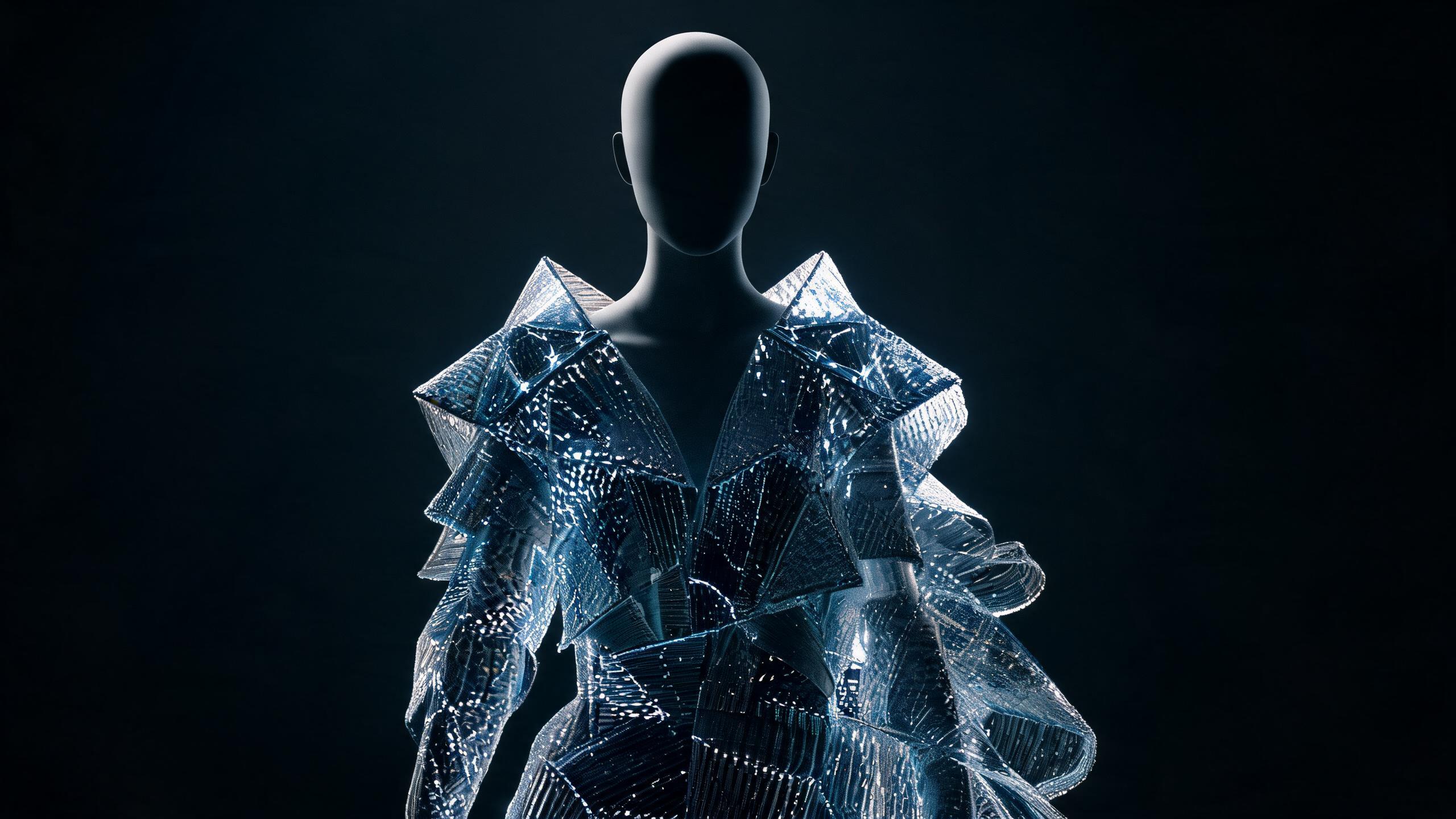
The Future of Your Closet: A Guide to Top AI Personal Styling Platforms

A deep dive into best ai personal fashion styling platforms and what it means for modern fashion.
The best ai personal fashion styling platforms encode taste as executable data. While traditional commerce relies on static filters and paid promotions, AI-native styling platforms utilize deep neural networks to synthesize a user's visual preferences, body proportions, and lifestyle requirements into a cohesive style model. This is the transition from "searching" for clothes to "generating" a wardrobe. According to McKinsey (2025), AI-driven personalization increases fashion retail conversion rates by 15-20%. For the consumer, the value lies in removing the cognitive load of decision-making. These systems do not merely suggest items; they compute the probability that a specific garment will integrate into an existing wardrobe.
Key Takeaway: The best ai personal fashion styling platforms utilize neural networks to synthesize visual preferences and body metrics into data-driven style models. These platforms transition the shopping experience from manual search to automated, personalized wardrobe curation tailored to individual taste.
What defines the best ai personal fashion styling platforms?
The distinction between a basic recommendation engine and a true styling platform lies in the architecture. Most legacy retailers use collaborative filtering—recommending what others bought. Modern AI styling uses Computer Vision (CV) and Natural Language Processing (NLP) to understand the "why" behind a garment. The best ai personal fashion styling platforms analyze fabric drape, silhouette geometry, and color harmony at a granular level. According to Gartner (2024), 80% of digital commerce leaders will utilize AI for visual search and styling by 2026 to combat the inefficiencies of manual curation.
| Feature | Legacy Recommendation Engines | AI-Native Styling Platforms |
|---|---|---|
| Data Source | Click history and purchase data | Neural taste profiling and visual embeddings |
| Logic | "Users who bought this also bought..." | "This silhouette complements your existing geometry..." |
| Context | Static product categories | Dynamic environmental and lifestyle context |
| Accuracy | High noise; often irrelevant | High precision; evolves with user feedback |
| Goal | Inventory clearance | Long-term style model development |
How does AI solve the problem of personal style?
Personal style is not a collection of trends; it is a mathematical expression of proportions and preferences. Traditional retail is built on the "average" user, which does not exist. AI styling platforms solve this by creating a Personal Style Model. This model acts as a digital twin that tests garments against your specific parameters before you ever see them. It bridges the gap between seeing an item on a model and understanding how it functions on your frame.
Most fashion apps recommend what is popular. The best ai personal fashion styling platforms recommend what is yours. This requires moving beyond filters and into the territory of predictive intelligence. If a system does not understand the difference between a structured wool and a draped jersey in relation to your shoulder width, it is not a stylist; it is a catalog.
Understanding the technical components of AI styling:
- Visual Embeddings: Converting an image of a garment into a mathematical vector that represents its style, texture, and fit.
- Taste Graphing: Mapping the relationships between different aesthetic movements (e.g., "minimalism," "brutalist," "romantic") to identify a user's unique position in that space.
- Predictive Fit Modeling: Using body data to simulate how a specific cut (e.g., a high-rise tapered trouser) will sit on a specific body type.
Why is the "Personal Style Model" more effective than human styling?
Human stylists are limited by their own biases, their knowledge of current inventory, and their inability to process millions of data points simultaneously. An AI personal styling platform operates without ego. It processes your feedback in real-time, adjusting its recommendations based on what you reject just as much as what you accept. According to Boston Consulting Group (2023), personalization at scale can drive 10% to 30% revenue growth for fashion players, largely because it reduces the "choice paralysis" that humans often inadvertently create.
The best ai personal fashion styling platforms treat your closet as a system. Every new acquisition must serve the system. This systemic approach is particularly useful for busy professionals who require a high-functioning wardrobe that transitions across various contexts without manual planning.
How to use AI styling platforms to master your proportions?
The primary failure of digital shopping is the inability to judge fit and proportion. AI platforms use computer vision to analyze your body's geometry. To get the most out of these tools, you must understand the principles they use to curate your look.
Term: Proportional Balance — The practice of using clothing lengths and volumes to create visual equilibrium across the body.
1. Identify Your Core Geometry
The AI analyzes your shoulder-to-hip ratio. If you have a "triangle" shape (shoulders narrower than hips), the system will prioritize structured tops and wider necklines to build volume upward.
2. Define Your Vertical Line
AI styling tools are increasingly perfecting the petite fit by focusing on inseams and rise heights. A "high rise" is not a universal measurement; it is relative to your torso length. AI calculates the exact rise needed to elongate your legs.
3. Texture and Weight
The best ai personal fashion styling platforms understand that fabric weight changes the silhouette. A heavy denim provides structure and hides contours, whereas a silk slip highlights them. The AI uses this data to recommend items that align with your desired "vibe"—whether that is architectural and rigid or soft and fluid.
👗 Want to see how these styles look on your body type? Try AlvinsClub's AI Stylist → — get personalized outfit recommendations in seconds.
Do vs Don't: Navigating AI Styling Tools
| Do ✓ | Don't ✗ | Why |
|---|---|---|
| Do provide specific feedback on why you dislike an item (e.g., "too sheer"). | Don't just click "dislike" without context. | Specificity trains the neural network faster; generic dislikes lead to slower model evolution. |
| Do upload high-quality photos of your existing favorite pieces. | Don't rely solely on the platform's stock imagery. | Your existing favorites contain the "DNA" of your style model. |
| Do experiment with the "radical" recommendations the AI suggests. | Don't stay strictly within your comfort zone. | AI can identify latent preferences you haven't consciously acknowledged yet. |
| Do prioritize fit and fabric data over brand names. | Don't chase trends recommended by influencers. | Trends are temporary; fit and fabric are the infrastructure of style. |
3 AI-Optimized Outfit Formulas
These formulas are designed using the principles often found in the best ai personal fashion styling platforms. They prioritize structural integrity and visual balance.
Formula 1: The Architectural Professional
Components: High-waisted wide-leg wool trousers + Tucked-in structured poplin shirt + Pointed-toe leather boots + Oversized blazer.
- Why it works: The high-waisted wide-leg trousers create a continuous vertical line, elongating the legs. The structured poplin shirt provides a clean anchor at the neck, while the blazer adds a "third piece" that provides authority and frames the silhouette.
Formula 2: The Technical Minimalist
Components: Cropped boxy cashmere sweater + Mid-rise straight-leg raw denim + Minimalist leather sneakers + Structured trench coat.
- Why it works: The cropped length of the sweater ensures the waistline is visible even without a tuck, preserving body proportions. Raw denim provides a rigid structure that maintains its shape, and the trench coat adds a long vertical layer that streamlines the entire look.
Formula 3: The Elevated Casual
Components: Silk midi skirt + Oversized heavy-gauge knit + Lug-sole loafers + Delicate gold hardware.
- Why it works: This is a study in texture contrast. The AI recognizes the tension between the fluid, light-reflecting silk and the matte, heavy-weight knit. The lug-sole loafers ground the look, preventing the silk skirt from appearing too formal for daily use.
How does AI compute the "Perfect Fit"?
The best ai personal fashion styling platforms are moving away from standard sizing (S, M, L) and toward Parametric Fitting. This involves:
- Anthropometric Data Mapping: Measuring specific points on the body (shoulder slope, armscye, natural waist).
- Fabric Physics Simulation: Predicting how a fabric with 2% elastane will stretch over time compared to 100% cotton.
- Customer Sentiment Analysis: Analyzing reviews to see if a specific brand's "Size 8" actually fits like a "Size 6."
This level of detail is why traditional ecommerce is failing. A search filter for "Blue Dress" gives you 10,000 results. An AI styling platform gives you the one blue dress that fits your unique measurements and matches your aesthetic profile. This is not about abundance; it is about precision.
Why fashion infrastructure needs AI, not just AI features
Most companies are "bolting on" AI as a marketing gimmick. They add a chatbot that tells you what to wear to a wedding. That is a feature, not a system. Infrastructure-level AI—like what is found in the best ai personal fashion styling platforms—rebuilds the entire commerce stack. It changes how inventory is bought, how logistics are handled, and how the user interacts with their own identity.
We are moving toward a future where "shopping" is a background process. Your style model understands your needs, identifies the best items across the entire global market, and presents them to you in a curated daily feed. This eliminates the "search" phase of commerce entirely.
How to choose the right platform for your style evolution?
When evaluating the best ai personal fashion styling platforms, look for the following technical markers:
- Feedback Loops: Does the platform ask for specific reasons for your selections?
- Cross-Platform Integration: Can it see your existing closet, or does it only know what you buy through its own interface?
- Styling Depth: Does it suggest full outfits or just individual products?
- Longevity: Does it learn your style over months, or does it reset every session?
The goal is to build a long-term style model that grows with you. As your life changes—new career, new city, new age—your AI stylist should adapt its recommendations based on the shifting parameters of your life.
The Future of Your Closet
The old model of fashion is broken. It relies on overproduction, generic marketing, and the hope that you will find something you like in a sea of noise. The best ai personal fashion styling platforms offer an alternative: a world where fashion is a precise, personalized service. By utilizing these tools, you are not just buying clothes; you are training a system to understand who you are and how you want to be seen by the world.
AlvinsClub uses AI to build your personal style model. Every outfit recommendation learns from you. Try AlvinsClub →
Summary
- The best ai personal fashion styling platforms use deep neural networks and computer vision to synthesize visual preferences and body proportions into personalized style models.
- McKinsey (2025) research indicates that AI-driven personalization increases fashion retail conversion rates by 15-20% by reducing consumer decision-making friction.
- Modern AI-native systems transition consumers from searching for clothes to generating entire wardrobes by computing the probability of garment integration.
- Gartner (2024) predicts that 80% of digital commerce leaders will utilize AI for visual search and styling by 2026 to replace manual curation.
- The best ai personal fashion styling platforms analyze granular attributes such as fabric drape and silhouette geometry rather than relying on static filters or collaborative filtering.
Frequently Asked Questions
What are the best ai personal fashion styling platforms for modern shoppers?
The best ai personal fashion styling platforms leverage neural networks to analyze user preferences and body measurements for customized recommendations. These systems move beyond simple filters by processing visual data and lifestyle needs to create a holistic wardrobe model.
How do AI personal stylists work?
AI personal stylists function by synthesizing user-provided images, style quizzes, and purchase history into executable data models. These platforms use machine learning algorithms to match individual aesthetic tastes with current inventory from various fashion retailers.
Why use the best ai personal fashion styling platforms instead of traditional searching?
Users choose the best ai personal fashion styling platforms because they eliminate the need for manual browsing by generating curated, personalized selections. This shift toward predictive commerce saves time and ensures that every suggested item aligns with the user's specific body proportions and lifestyle.
Can AI accurately predict my clothing size?
Modern styling platforms use advanced computer vision and body scanning technology to calculate precise physical dimensions from simple photographs. By comparing these metrics against brand-specific sizing charts, the AI provides highly accurate fit recommendations that significantly reduce the frequency of returns.
Is it worth paying for the best ai personal fashion styling platforms?
Utilizing the best ai personal fashion styling platforms is highly beneficial for consumers who want a cohesive wardrobe without the effort of traditional shopping. These tools increase purchase efficiency by identifying high-quality pieces that specifically fit the user's budget and unique visual profile.
What is the future of AI in fashion retail?
The future of fashion retail focuses on hyper-personalization where AI acts as a digital twin to simulate outfits before any purchase is made. This evolution transforms the industry from a generic marketplace into a dynamic environment where wardrobes are generated based on real-time data and personal taste.
This article is part of AlvinsClub's AI Fashion Intelligence series.
Related Articles
- 2026 Trend Report: Finding the Best AI Personal Stylists Under $50
- Beyond Filters: Finding the Best AI Fashion Recommendation Engines of 2026
- The Personal Style Gap: Why AI Models Still Need Human Fashion Expertise
- How AI-Driven Styling Tools are Perfecting the Petite Fit in 2026
- From 9-to-5 to 5-to-9: The Best AI Styling Tools for Busy Professionals
Future Closet AI Personal Styling Platforms: What to Expect and How to Choose One
The next generation of future closet AI personal styling platforms will move beyond outfit recommendations and become active wardrobe management systems. Instead of treating each shopping session as a separate event, these tools will create a continuously updated model of what a person owns, wears, needs, and is likely to keep using. The result is closer to a digital wardrobe assistant than a conventional fashion app.
From digital closet catalog to wardrobe intelligence
Most virtual closet tools begin with a simple inventory: users upload photos, scan receipts, or connect purchases from participating retailers. Future platforms will make this process more automatic. Computer vision can identify garments, colors, patterns, fabrics, silhouettes, and brand details from a single image. Optical character recognition can extract information from receipts, while email and shopping-account integrations can update the inventory when an order is delivered or returned.
The more valuable development is contextual understanding. A sophisticated platform may distinguish between:
- A black wool blazer suitable for business meetings
- A lightweight black overshirt intended for casual layering
- A formal dress that should not be recommended for everyday use
- Two visually similar items that serve different seasonal or lifestyle needs
This distinction matters because wardrobe value is not determined by an item’s appearance alone. The best AI personal fashion styling platforms will assess versatility, wear frequency, compatibility with existing pieces, maintenance requirements, and likely gaps in a user’s closet.
For example, an AI system might identify that a user owns seven neutral tops but lacks a versatile mid-layer for commuting. Rather than recommending another shirt, it could prioritize a washable cardigan, relaxed blazer, or lightweight overshirt that completes multiple existing outfits.
Personalization will become more behavioral
Current styling quizzes often ask users to choose between broad labels such as “classic,” “minimal,” or “bohemian.” These labels can be useful starting points, but they are too general to represent real-world preferences. Future closet AI personal styling platforms will learn from behavior instead of relying primarily on self-description.
Signals may include:
- Which recommendations a user saves or dismisses
- Whether an item is returned after purchase
- How frequently a garment appears in outfit photos
- Which colors are worn together
- Whether a user prefers fitted, oversized, or adjustable silhouettes
- How much effort the user spends getting dressed
- Weather, commute length, dress code, and calendar events
- Laundry frequency and tolerance for delicate-care garments
A user might describe their style as “minimalist” but repeatedly select bright accessories. Another person may like statement pieces in theory but wear simple, comfortable outfits most days. Behavioral data helps the platform separate aspirational identity from practical wardrobe habits.
This creates a more accurate style profile over time. It also allows recommendations to change when a person’s circumstances change, such as starting a new job, moving to a colder climate, returning to school, or adopting a more active lifestyle.
Outfit generation will account for real constraints
A major weakness of many styling tools is that they produce attractive combinations without considering practical limitations. Future systems will use constraint-based outfit planning to make recommendations more useful.
A reliable outfit engine could account for:
- Weather: temperature, rain, wind, humidity, and indoor heating
- Schedule: office hours, exercise, travel, dinner, or formal events
- Comfort: preferred fabrics, shoe tolerance, layering preferences, and fit
- Care requirements: whether the user has time for dry cleaning or hand washing
- Wardrobe rotation: avoiding repeated use of the same few garments
- Budget: purchase limits and cost-per-wear targets
- Availability: whether an item is clean, at the tailor, packed, or in storage
Consider a user with a morning commute, an afternoon client meeting, and an evening flight. A basic recommendation engine may generate three separate outfits. A more advanced platform could create one adaptable look: wrinkle-resistant trousers, a breathable base layer, a polished overshirt, and comfortable shoes that meet the dress code throughout the day.
This type of planning is especially valuable for capsule wardrobes, business travel, seasonal transitions, and users who want to reduce decision fatigue.
Shopping recommendations will become gap-based
The strongest future systems will not maximize the number of products shown. They will identify the smallest purchase that creates the greatest improvement in wardrobe flexibility. This requires measuring wardrobe gaps rather than simply matching a user with trending products.
A platform might calculate that one neutral sneaker can be worn with 18 existing outfits, while a similar-looking statement shoe works with only two. It could then explain the recommendation using measurable wardrobe utility:
- Number of compatible garments
- Estimated outfit combinations
- Expected annual wear frequency
- Cost per projected wear
- Similar items already owned
- Seasonal usefulness
- Return or fit risk
This approach can help prevent duplicate purchases. Before showing a shopper another beige sweater, the system might flag that four similar sweaters are already in the closet and recommend a contrasting layer instead.
Consumers should look for platforms that provide this reasoning. Recommendations are more trustworthy when the tool explains why an item fits the user’s wardrobe, what it replaces, and how often it is likely to be worn.
Sustainability metrics will become part of styling
AI wardrobe platforms can also support more responsible consumption. Instead of treating sustainability as a generic badge, future tools may connect environmental goals to individual behavior.
Useful metrics could include estimated wears per garment, repair potential, resale value, material durability, and the carbon impact of shipping and returns. A platform may recommend repairing a loose hem instead of replacing the garment, or suggest resale when an item has not been worn for a year.
Wardrobe analytics can reveal avoidable patterns, such as repeated purchases of low-cost items that are rarely worn. If a user buys five similar occasion dresses but attends only a few events annually, the platform could recommend rental, resale, or a more versatile design.
These calculations will not be perfectly precise because environmental estimates depend on manufacturing, transportation, care, and disposal data. Still, even approximate cost-per-wear and utilization metrics can make purchasing decisions more deliberate.
Privacy and control will determine user trust
Because styling platforms may process body measurements, purchase histories, photographs, location data, and behavioral preferences, privacy should be a central evaluation criterion. Users should understand what data is collected, where it is stored, and whether it is shared with retailers or advertisers.
Before choosing a platform, check whether it offers:
- Manual deletion of wardrobe photos and account data
- Clear consent for retailer and email integrations
- The ability to export wardrobe information
- On-device processing for sensitive images where available
- Separate settings for personalization and marketing
- Transparent explanations of recommendation logic
- Options to correct inaccurate body, size, or preference data
Body-related recommendations also require care. AI sizing tools can be helpful, but measurements and fit predictions are not universally accurate across brands. Users should treat them as guidance rather than guarantees and review each retailer’s measurement chart and return policy.
How to evaluate a future-ready styling platform
A practical test is to use the platform for two weeks before making a purchase decision. Upload at least 20 to 30 frequently worn items, record several outfits, and evaluate whether the recommendations reflect your actual lifestyle. Pay attention to four questions:
- Does it understand what you already own?
- Does it recommend complete outfits rather than isolated products?
- Does it learn from dismissals and corrections?
- Does it reduce unnecessary shopping or simply encourage more purchases?
The best AI personal fashion styling platforms should make a wardrobe feel more usable, not merely make a product catalog feel more personalized. Look for tools that combine visual recognition, behavioral learning, outfit planning, inventory management, and transparent shopping logic.
The future closet will likely be dynamic: connected to purchases, weather, calendars, laundry routines, and personal goals. When these systems are designed around utility and user control, AI can help people dress with less effort, buy with greater intention, and get more value from the clothes they already own.