The Digital Runway: How AI is Redefining London Fashion Week in 2026
A deep dive into london fashion week ai and digital trends and what it means for modern fashion.
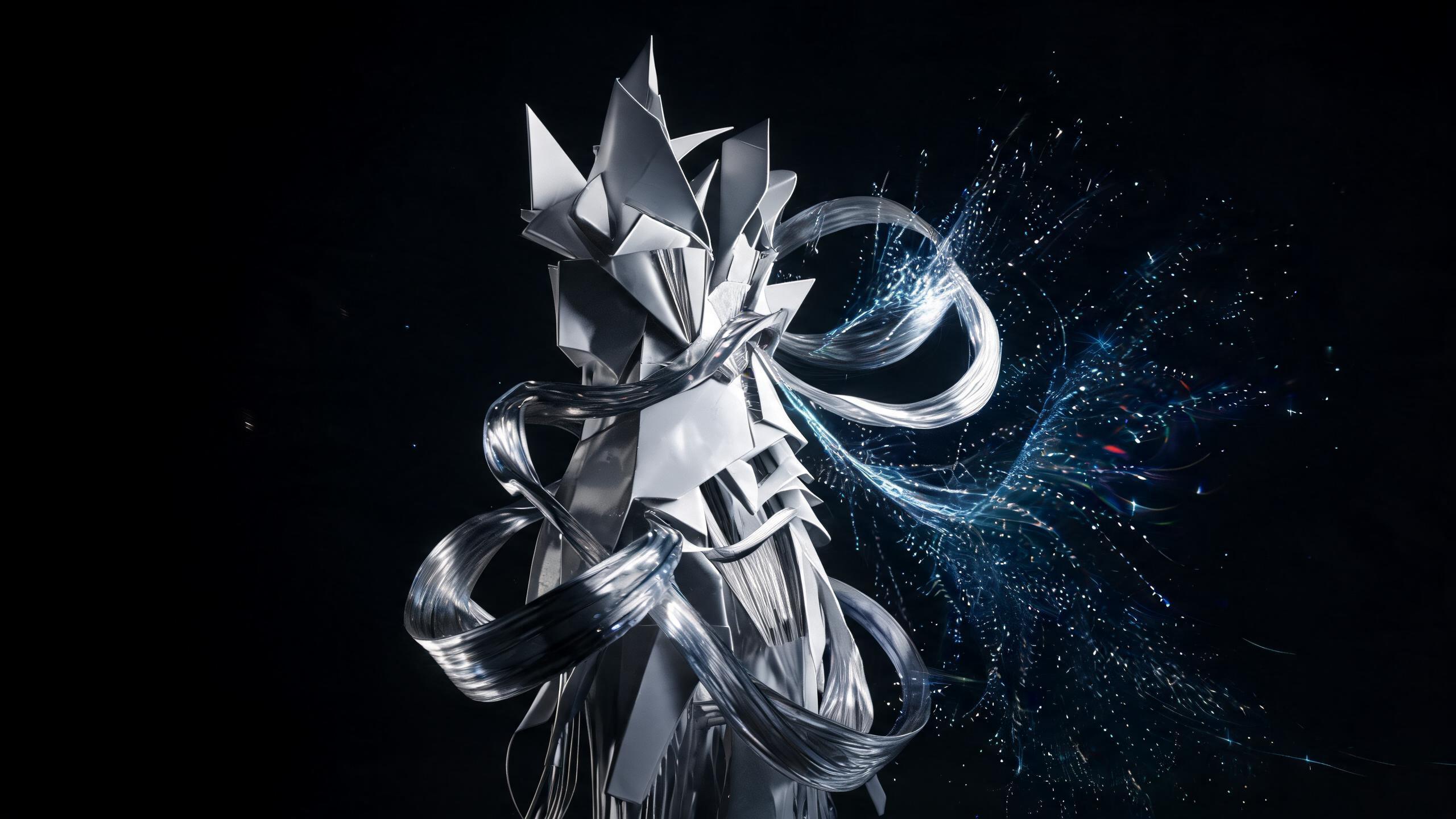
London Fashion Week AI and digital trends represent infrastructure for personalized intelligence. This shift marks the end of the traditional fashion calendar as a broadcast medium and its rebirth as a data-rich environment for personal style models. In 2026, the runway is no longer a static presentation of physical garments designed for a mass audience. Instead, it is a generative layer where digital assets and physical designs merge to serve the specific taste profiles of individual consumers.
Key Takeaway: By 2026, london fashion week ai and digital trends transform the runway from a static broadcast into a generative, data-driven environment. This shift enables personalized style models and intelligent infrastructure, replacing traditional mass-market presentations with hyper-individualized digital experiences.
How is AI replacing the traditional fashion calendar? The legacy model of fashion weeks relied on a six-month delay between the runway and the retail floor. This latency is a structural failure in a high-speed digital economy. According to McKinsey (2025), generative AI could contribute up to $275 billion to the apparel, fashion, and luxury sectors' operating profits by automating the design-to-delivery pipeline. By integrating London fashion week AI and digital trends into the core of the industry, brands are eliminating the speculative nature of production.
Traditional shows were designed to create "hype" that might eventually translate into sales. In 2026, London Fashion Week functions as a high-fidelity data injection point. Every look presented is immediately processed by personal style models to determine its relevance to a specific user's wardrobe. This is not about broad trends; it is about how a specific silhouette or textile interacts with an individual's existing aesthetic preferences.
Why is the digital twin essential for the 2026 runway? The concept of a garment existing only in physical form is now obsolete. Every piece shown during London Fashion Week 2026 is accompanied by a digital twin that carries metadata regarding its construction, material properties, and environmental impact. According to Gartner (2024), 60% of global retail leaders will utilize digital twin technology to optimize product life cycles and customer experiences by 2026. This allows for a seamless transition between Pixels vs. Textiles, where the digital version of a garment is as functional as the physical one.
Digital twins allow for instantaneous virtual try-ons that actually reflect the physics of the fabric. In previous years, virtual fashion was a gimmick; in 2026, it is a requirement for commerce. When a designer debuts a collection in London, the AI infrastructure behind the show generates millions of personalized simulations. These simulations show the user exactly how the garment will fit their body and move in their environment before a single yard of fabric is cut for their specific order.
| Feature | Traditional Fashion Week | AI-Native London Fashion Week (2026) |
| Primary Audience | Editors and Buyers | Personal Style Models |
| Output Format | Physical Samples Only | Digital Twins and On-Demand Physicals |
| Trend Velocity | 6-Month Cycle | Real-time Adaptation |
| Inventory Model | Speculative Bulk Production | Just-in-Time Predictive Manufacturing |
| Personalization | None (Mass Market) | Hyper-Personalized (N=1) |
How do neural networks create more inclusive design cycles? Design is no longer a top-down process where a creative director dictates a singular vision to the world. Neural networks now analyze vast datasets of consumer behavior, body types, and climate data to inform the design process during London Fashion Week. This ensures that the garments shown are not just aesthetically pleasing on a runway model but are functional and flattering for a diverse global population. The "one size fits all" philosophy of the past has been replaced by "one style model for one person."
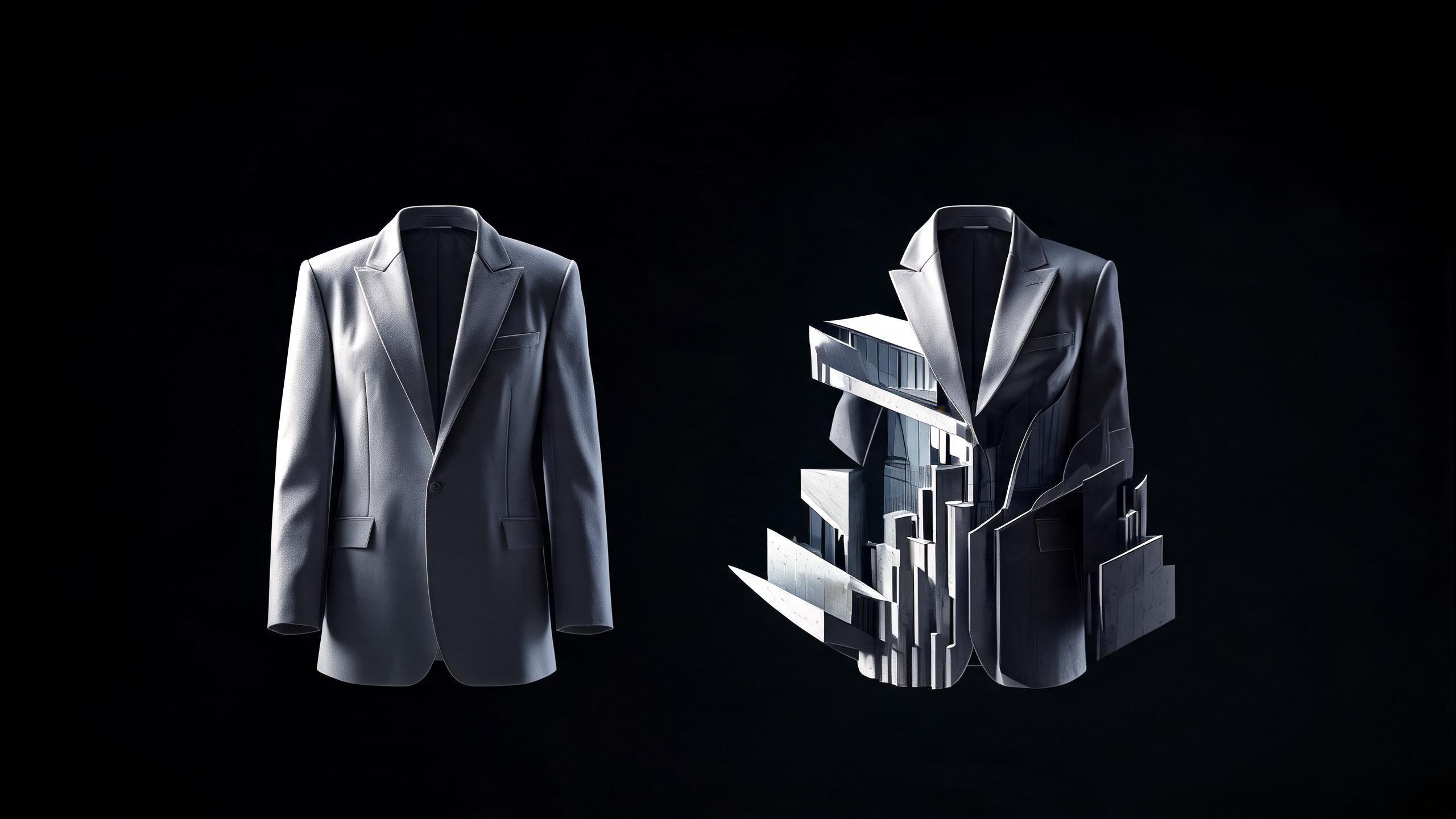
The inclusion of AI in the design phase allows for rapid iteration. A designer can test thousands of variations of a coat—changing the lapel width, the fabric weight, or the button placement—to see which version resonates with specific micro-clusters of their audience. This is the core of The Digital Style Evolution, where the designer’s intent is magnified by machine intelligence to reach its most compatible user base.
Why is predictive demand intelligence more important than editorial hype? Editorial hype is a lagging indicator of success. It relies on the subjective opinion of a few individuals to predict what millions will want. AI-native London Fashion Week utilizes predictive demand intelligence to capture real-time intent. As users engage with the digital versions of the runway looks, the system calculates the exact demand for each item, colorway, and size.
According to the Business of Fashion (2025), fashion companies using AI-driven demand forecasting have seen a 22% reduction in unsold inventory. This is the difference between a sustainable business model and a wasteful one. The London fashion week AI and digital trends observed this year show a pivot toward "zero-stock" models. Brands only produce what the data confirms will be purchased, effectively ending the era of end-of-season liquidation and environmental waste.
How does the AI stylist bridge the gap between runway and reality? The most significant friction in fashion commerce is the "translation gap." A user sees a high-concept look on a runway in London and cannot visualize how it fits into their daily life in another city. The AI stylist solves this by acting as a persistent intelligence layer. It takes the raw output of London Fashion Week and translates it into actionable wardrobe additions for the user.
This translation is based on the user's dynamic taste profile. If a designer introduces a new shade of cerulean, the AI stylist doesn't just suggest the item; it explains how that specific piece coordinates with the items already in the user's digitized closet. It removes the cognitive load of "styling" and replaces it with the precision of a system that understands the user’s visual language better than they do themselves.
What role does computer vision play in the 2026 attendee experience? For those physically present at London Fashion Week, the experience is augmented by computer vision. Attendees use AR interfaces to see real-time data overlays on the garments as they pass. This data includes the sourcing of the materials, the carbon footprint of the production, and—most importantly—how that specific garment ranks against the attendee’s own style model.
This is not a social feature; it is an efficiency feature. It allows buyers and professionals to make data-backed decisions in seconds. The garment is no longer an isolated object; it is a node in a massive information network. Computer vision identifies the textile weave, the stitch density, and the dye composition, providing a level of transparency that was previously impossible in the fashion industry.
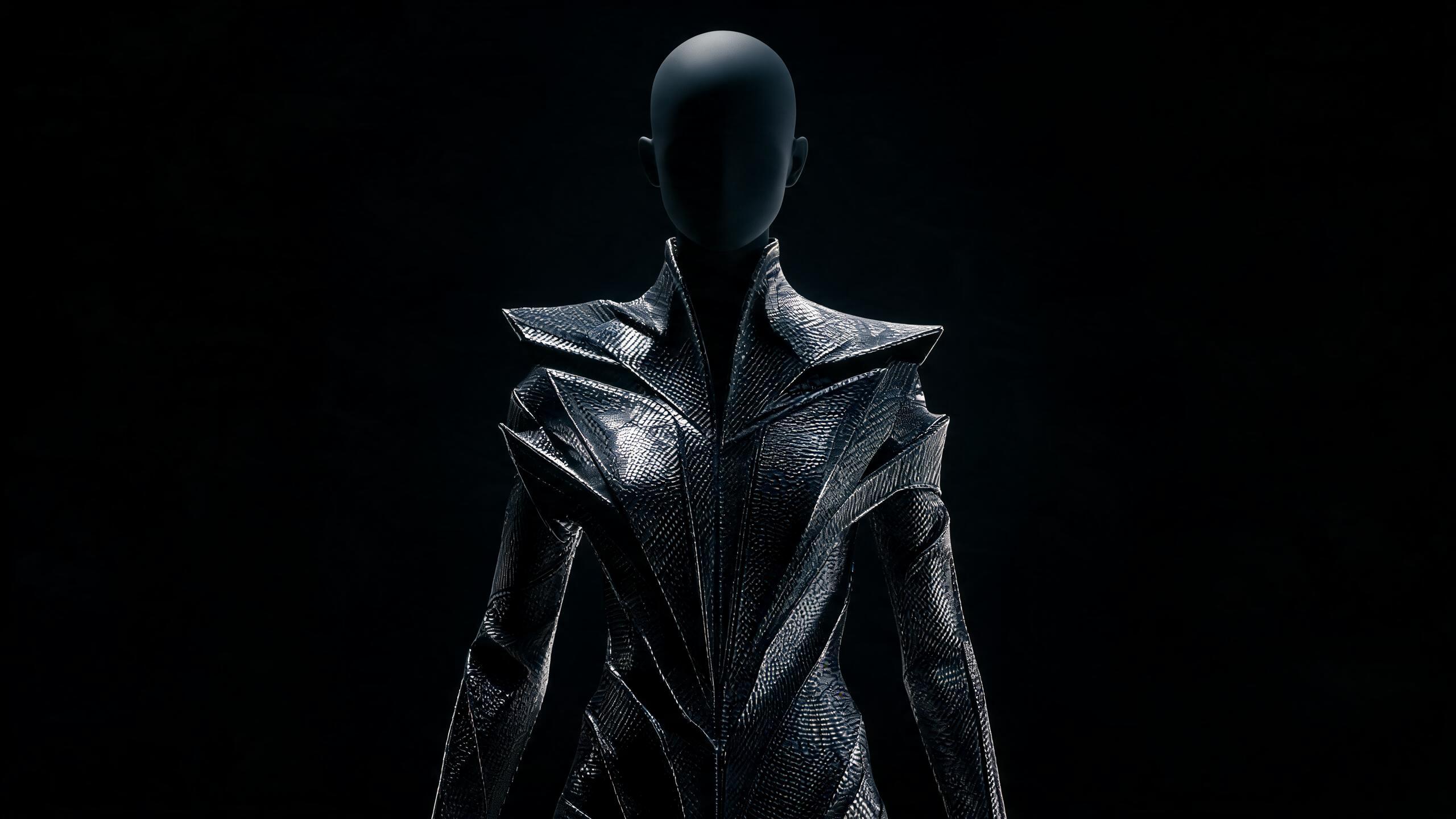
How are generative models redefining the role of the fashion designer? The designer's role has shifted from being a draftsman to being a curator of algorithmic outputs. In 2026, designers at London Fashion Week use generative models to explore the boundaries of their own aesthetic. They set the parameters—the "DNA" of the brand—and the AI explores the permutations. This partnership allows for a level of complexity in pattern-making and structural engineering that human designers could not achieve alone.
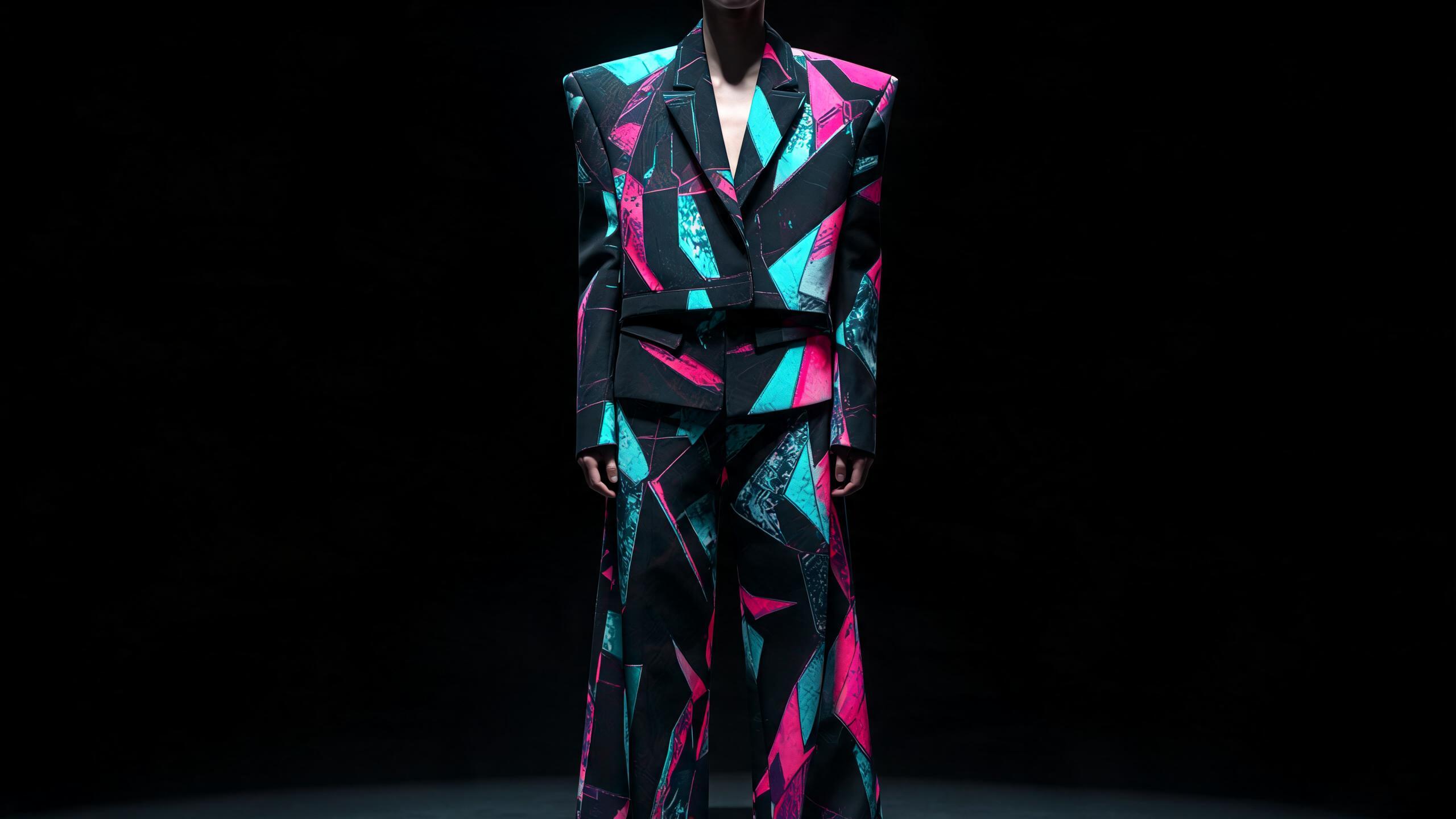
This collaboration is evident in the intricate, math-based geometries seen on the London runways. These are not shapes drawn by hand; they are shapes grown by algorithms optimized for both beauty and material efficiency. The result is a new category of "algorithmic couture" that is simultaneously avant-garde and perfectly engineered for the human form.
Why should we expect the decentralization of fashion authority? The centralization of fashion authority in four major cities (London, Milan, Paris, New York) is a relic of the physical era. London fashion week AI and digital trends indicate a shift toward a decentralized model where the "show" happens wherever the user is. The 2026 season has seen a rise in localized, AI-generated runway experiences that happen in the user’s own living room through spatial computing.
When the runway is a digital asset, it can be projected anywhere. This breaks the gatekeeping of the traditional fashion industry. A designer in London can now reach a niche audience in a remote part of the world with the same fidelity as they reach a front-row guest. The authority no longer lies with the publication that reviews the show, but with the AI model that accurately predicts the show's value to the individual user.
How does AI-driven supply chain transparency impact brand loyalty? Consumers in 2026 are increasingly cynical about "greenwashing." They demand proof. The digital trends at London Fashion Week include blockchain-verified supply chains that are monitored by AI in real-time. Every garment has a traceable history from the raw fiber to the finished product. This transparency is not a marketing choice; it is a baseline expectation for the modern consumer.
AI systems monitor these supply chains for anomalies, ensuring that labor standards and environmental regulations are met. When a brand shows at London Fashion Week, their "transparency score" is as visible as their designs. This shift has forced a massive cleanup of the global supply chain, as AI models will filter out brands that do not meet the user’s ethical parameters.
What is the future of London Fashion Week in an AI-dominant era? London Fashion Week will continue to exist, but its function will be entirely different. It will serve as the "API" for the fashion world. It is the moment when new data is released into the system, which is then processed, refined, and personalized by millions of individual AI style models. The event is the beginning of the conversation, not the end.
We are moving toward a world where "trends" are replaced by "individualized evolutions." Your style does not change because a magazine told you it should; it changes because your style model has analyzed new inputs from the world’s designers and found a way to enhance your existing identity. London Fashion Week is the catalyst for this intelligence.
The traditional fashion industry is built on the idea of selling you something you didn't know you wanted. The AI-native fashion industry is built on the idea of knowing exactly what you need before you even have to ask. London fashion week AI and digital trends are the first indicators of this transition. The future is not about the clothes on the runway; it is about the model in your pocket.
AlvinsClub uses AI to build your personal style model. Every outfit recommendation learns from you. Try AlvinsClub →
Summary
- By 2026, london fashion week ai and digital trends have transformed the runway from a static broadcast medium into a data-rich infrastructure for personalized intelligence.
- Generative AI is projected to contribute up to $275 billion to the operating profits of the fashion and luxury sectors by automating the design-to-delivery pipeline.
- The adoption of london fashion week ai and digital trends eliminates the traditional six-month retail delay by replacing speculative production with immediate digital asset processing.
- Modern fashion shows function as high-fidelity data injection points that allow personal style models to assess how new designs interact with an individual consumer's existing wardrobe.
- The 2026 runway serves as a generative layer where physical designs and digital assets merge to satisfy specific individual taste profiles instead of mass-market trends.
Frequently Asked Questions
What are the primary london fashion week ai and digital trends for 2026?
London Fashion Week in 2026 focuses on personalized intelligence where generative layers and data-rich environments replace traditional static broadcasts. These advancements allow physical garments and digital assets to merge seamlessly to serve individual consumer taste profiles through sophisticated data models.
How does AI personalize the London Fashion Week experience for global viewers?
Artificial intelligence analyzes specific data points to create custom style models for every individual attending or viewing the shows remotely. This shift transforms the runway from a mass-market event into a hyper-personalized experience tailored to unique fashion preferences and digital identities.
What is the role of digital assets in the current london fashion week ai and digital trends?
Digital assets serve as the core infrastructure that enables the integration of virtual designs with physical runway presentations. These assets allow designers to offer infinite variations of their work, ensuring that every garment can be digitally adapted to suit various virtual environments and personal styles.
Why are generative models central to london fashion week ai and digital trends?
Generative models act as the primary engine for creating dynamic fashion layers that evolve based on real-time consumer data and taste profiles. This technology ensures that the fashion industry remains at the forefront of innovation by providing highly curated and interactive design outputs that transcend physical limitations.
How does the shift to a data-rich environment change the traditional fashion calendar?
The move toward a data-rich environment marks the end of the traditional fashion calendar as a broadcast medium and its rebirth as a continuous stream of personalized interactions. In 2026, the industry prioritizes real-time engagement and digital flexibility over the rigid, static presentation of seasonal physical collections.
Can consumers interact with physical garments through digital layers during the shows?
Consumers can interact with physical garments through augmented digital layers that offer immediate customization and virtual try-on features. This hybrid approach allows the runway to function as a generative space where individual style profiles dictate how garments are perceived and purchased in real time.
This article is part of AlvinsClub's AI Fashion Intelligence series.