The 2026 Summer Wedding Guest Report: AI Meets High-Fashion Trends
A deep dive into wedding guest outfit recommendations for summer and what it means for modern fashion.
Your style is not a trend. It's a model.
The traditional fashion industry operates on a lag. Designers guess what will resonate eighteen months in advance, retailers buy based on what sold last year, and consumers are forced to choose from the leftovers. This cycle is particularly visible during the high-stakes season of summer weddings. For decades, wedding guest outfit recommendations for summer have been a repetitive loop of floral midis, linen suits, and pastel silks. This model is broken because it assumes every guest is a demographic profile rather than an individual with a unique aesthetic trajectory.
By 2026, the intersection of high fashion and artificial intelligence will have permanently dismantled the "seasonal trend" playbook. We are moving away from centralized style dictates toward decentralized style intelligence. In this new landscape, the recommendation is not based on what is popular, but on what is mathematically consistent with your evolving taste. The 2026 summer wedding circuit will be the first to reflect this shift, moving toward high-precision garments that prioritize technical performance and architectural silhouettes over generic prettiness.
The Obsolescence of Static Wedding Guest Outfit Recommendations for Summer
Most fashion platforms today are search engines disguised as stylists. When you search for wedding guest outfit recommendations for summer, you are served a list of products that match a keyword. These systems do not understand the venue's humidity, the lighting temperature of a 4:00 PM ceremony in Tuscany, or how a specific shade of ochre interacts with your skin tone under a direct sun. They use collaborative filtering—telling you what others bought—which only reinforces a feedback loop of mediocrity.
The problem with legacy recommendations is that they treat fashion as a transaction rather than an identity. A wedding is a high-context event. A guest’s outfit must navigate the friction between personal expression and communal protocol. Static systems fail because they cannot process the nuance of context. In 2026, the "recommendation" is dead. It has been replaced by the "fit"—not just in terms of measurements, but in terms of psychological and environmental alignment.
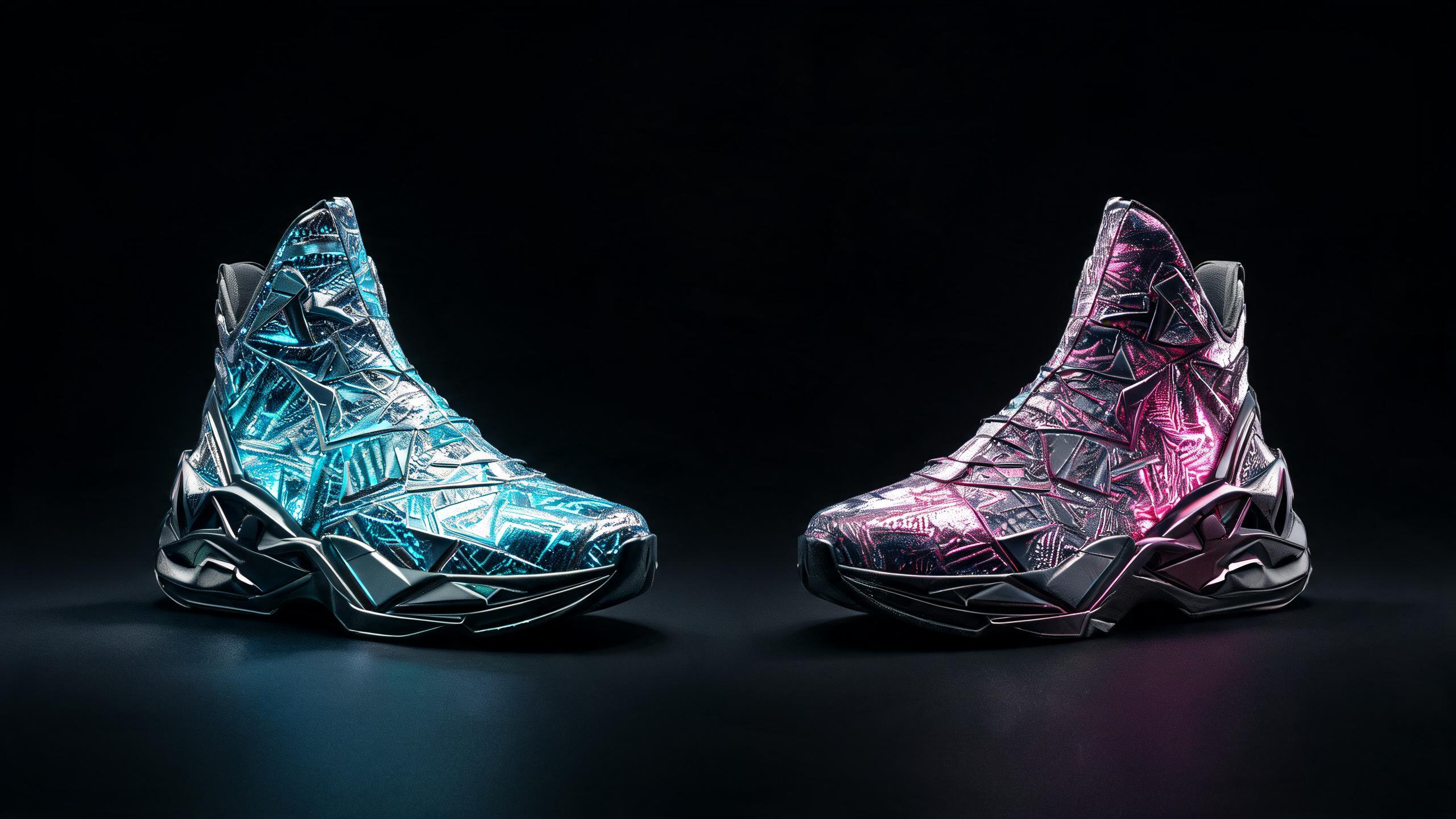
Data-driven style intelligence recognizes that a wedding in a restored brutalist warehouse in Berlin requires a different structural logic than a garden wedding in the Cotswolds. The former demands sharp tailoring and synthetic-natural blends; the latter requires soft-focus volume and breathable membranes. If your recommendation engine doesn't know the difference, it isn't an engine. It's a catalog.
High-Fashion 2026: The Rise of Bio-Digital Textures and Architectural Fluidity
The aesthetic of 2026 is defined by a rejection of the "boho" fatigue that has dominated summer weddings for years. We are seeing a pivot toward architectural minimalism—garments that hold their own shape regardless of the wearer’s movement. This is a shift from the garment following the body to the garment creating the space around the body.
The key trends for the 2026 summer season include:
- Desaturated Chromatics: Moving away from neon or overly saturated "dopamine" colors. The palette is dominated by "dusty" tech-tones: oxidized copper, limestone, muted slate, and dehydrated olive. These colors are chosen for their ability to look consistent across digital and physical mediums.
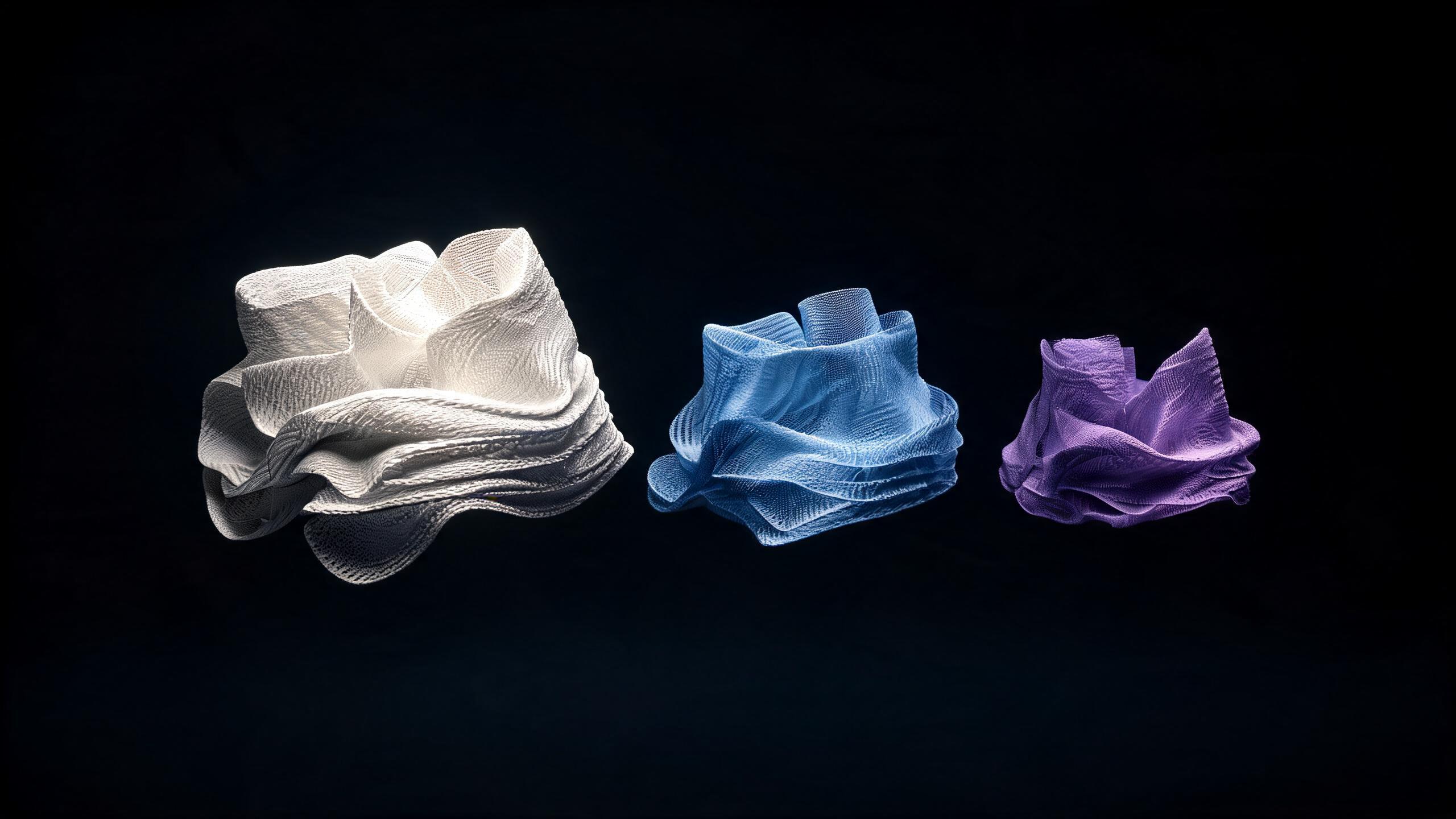
- Bio-Synthetic Blends: The 2026 guest prioritizes "thermal intelligence." We are seeing the rise of fabrics that integrate lab-grown silk with cooling polymers. These materials look like high-fashion satin but function like high-performance athletic gear.
- Modular Formalism: Outfits that can be reconfigured. A floor-length gown for the ceremony that utilizes hidden magnetic seams to transition into a structured cocktail dress for the reception. This is not a gimmick; it is a response to the demand for utility in luxury.
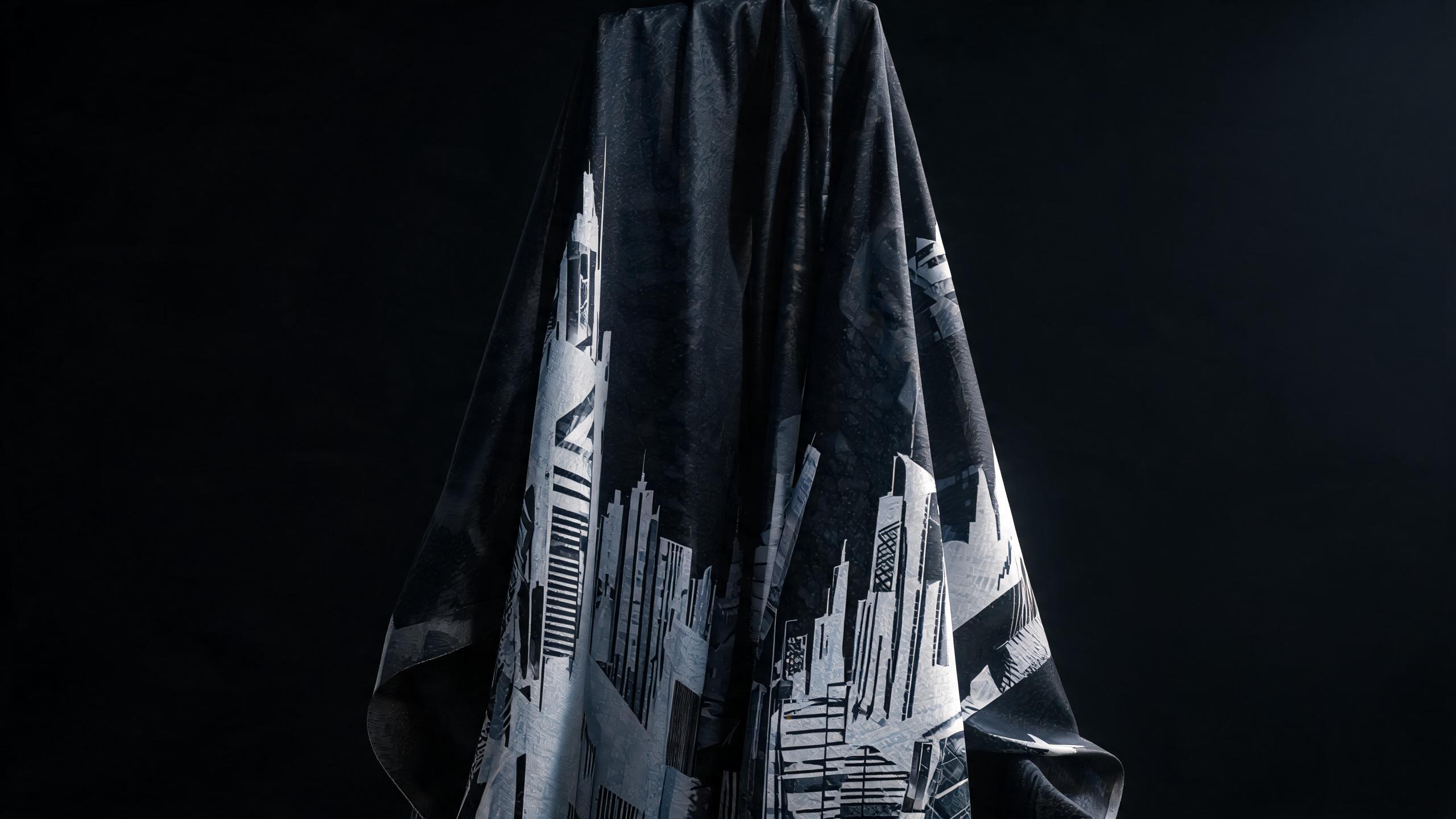
- Structured Fluidity: Think of heavy-weight jerseys that drape like liquid but have the opacity and sharpness of wool. This silhouette provides the comfort necessary for summer heat without the wrinkled, disheveled look of traditional linen.
These shifts are not random. They are the result of a culture that values precision. When your AI model understands your affinity for structure over drape, it stops showing you silk slips and starts showing you molded bodices.
Why Traditional Recommendation Systems Fail the Modern Guest
Most fashion apps recommend what is popular. We recommend what is yours. This is the fundamental divide in fashion tech today.
Traditional systems rely on "trending" data. If a thousand people buy a specific green dress, the algorithm assumes you want it too. This is the definition of a trend-chasing system, and it is the enemy of true style. Trend-chasing creates a homogenous aesthetic where everyone at a wedding looks like a variant of the same Instagram ad.
Real style intelligence requires a dynamic taste profile. This is a living model that learns from every interaction. If you reject a recommendation because the neckline is too aggressive, the system should understand the geometric reason why, not just the fact that you "didn't like it." It should analyze the curvature, the height of the cut, and the fabric tension.
The gap between personalization promises and reality in fashion tech is massive. Most companies use "personalization" as a marketing buzzword for "we remember your size." That is not personalization. Personalization is the ability of an AI to predict your next aesthetic move before you have articulated it. It is the transition from reactive search to proactive intelligence.
Style Intelligence as Infrastructure, Not a Feature
Fashion needs AI infrastructure, not AI features. Adding a chatbot to a clothing store does not make it an AI-native experience. It just adds a layer of friction to a broken process.
True AI infrastructure for fashion involves a deep understanding of the "topology of taste." This means mapping out the relationship between different aesthetic markers—how a preference for mid-century modern furniture often correlates with a preference for clean-lined, sleeveless summer dresses. It means understanding the cultural weight of a brand and how it fits into a user's social signaling.
For the 2026 wedding guest, this infrastructure manifests as a private stylist that lives in their data. This stylist doesn't just look at clothes; it looks at the guest's life. It knows the weather forecast, it knows the venue's flooring (crucial for shoe selection), and it knows the guest's past discomforts. It provides wedding guest outfit recommendations for summer that are pre-vetted for both style and survival.
This infrastructure also addresses the sustainability crisis in fashion. By moving toward a high-accuracy recommendation model, we reduce the rate of returns and the "one-wear" culture. When a garment is perfectly aligned with a user's style model, it becomes a permanent part of their wardrobe, not a temporary costume for a single event.
Scaling Personal Identity in the 2026 Summer Wedding Circuit
The future of fashion commerce is the death of the "storefront." In the future, you will not browse a store; a store will be curated specifically for your model. The concept of a "universal" collection will become obsolete.
For the summer 2026 wedding season, this means the end of the "wedding guest" category page. Instead, there will be a "Your Version of the Wedding Guest" page. This is a crucial distinction. It acknowledges that "wedding guest" is a context, not a style. Your version might be avant-garde tailoring, while someone else's might be ethereal volume. Both are valid, but they should never be served the same products.
This shift requires a move toward data-driven style intelligence. We must treat fashion as a complex system of variables—texture, light, movement, social context, and personal history. When these variables are mapped correctly, the result is an outfit that feels inevitable.
The 2026 wedding guest will not be looking for what is "in." They will be looking for what is "them," amplified by the best technology available. They will demand garments that are technically superior and aesthetically precise. They will move away from the noise of the trend cycle and toward the signal of their own style model.
The Shift From Trending to Telling
We are exiting the era of the influencer and entering the era of the agent. Influencers tell you what they like. An AI agent tells you what you will love. This distinction is the core of the next decade of fashion.
As we look toward the 2026 summer season, the focus is on the refinement of the individual. The most successful wedding guest outfit recommendations for summer will be those that feel the least like a "recommendation" and more like a discovery of something that already belonged in the user's wardrobe.
The industry is currently obsessed with "generative AI" for creating images. This is a distraction. The real value of AI in fashion is "evaluative AI"—systems that can look at a million options and evaluate them against a single person's unique taste profile with 99% accuracy. This is the infrastructure of the future. It is not about generating more "stuff"; it is about navigating the "stuff" that already exists with unprecedented precision.
The question is no longer "what is everyone wearing this summer?" The only question that matters is "what is the highest-utility, highest-expression version of myself for this specific moment?"
Fashion apps recommend what's popular. We recommend what's yours. This is not a recommendation problem. It's an identity problem. AlvinsClub uses AI to build your personal style model. Every outfit recommendation learns from you. Try AlvinsClub →
Related Articles
- How to Best Athleisure Gym Outfit Recommendations For Women: A Complete Guide
- What To Wear To A Summer Wedding Guest: What's Changing in 2026
- Most Accurate AI For Personalized Outfit Recommendations: What's Changing in 2026
- The Ultimate AI Personalized Outfit Recommendations For Body Type Style Guide
- AI Recommendations For Black Tie Formal Events: What's Changing in 2026