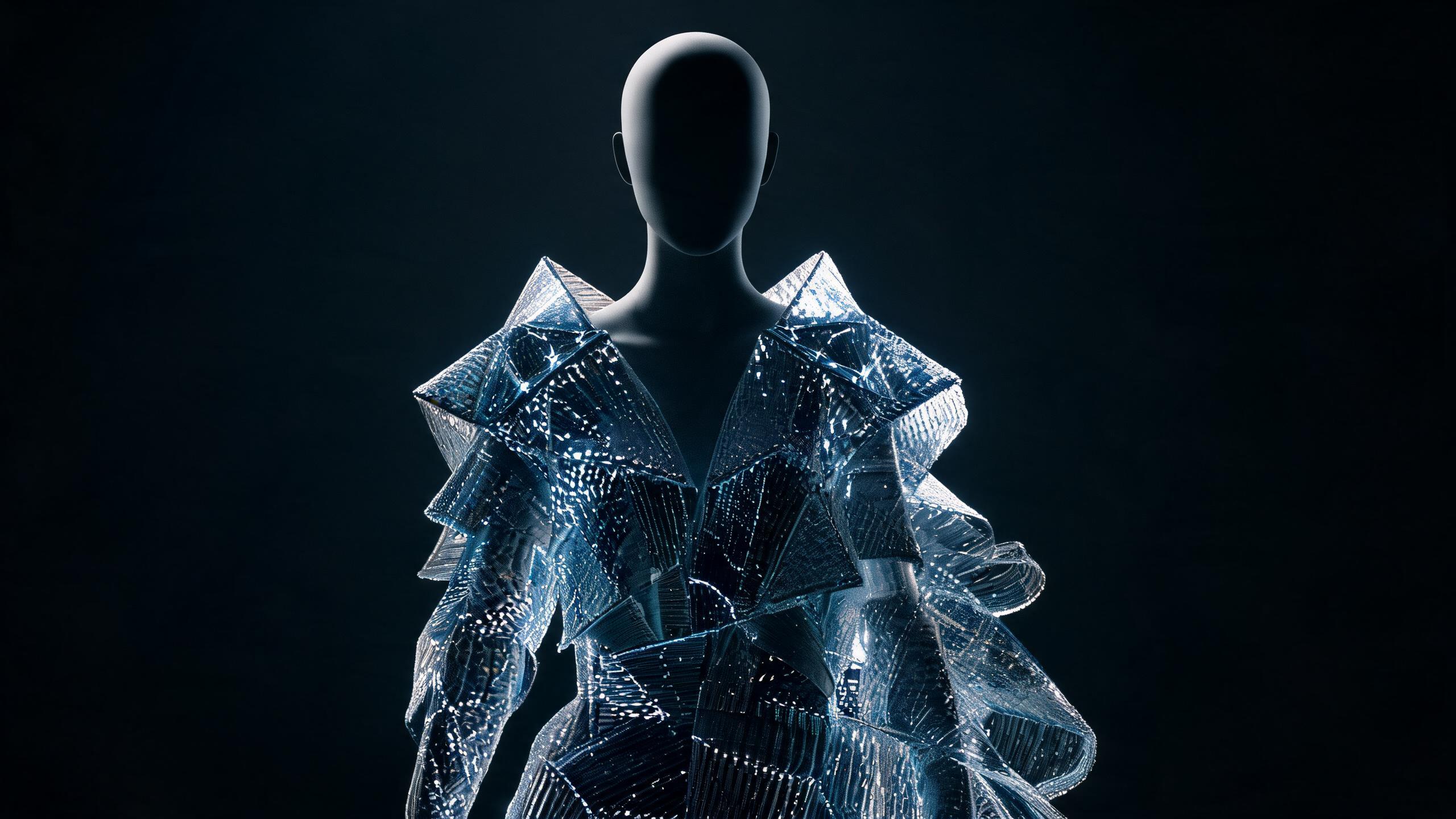
Smart Styling: Why Fashion AI is the Best Tool for Unpredictable Fall Weather

A deep dive into best AI for autumn layering and weather and what it means for modern fashion.
AI fashion styling uses machine learning algorithms to generate personalized outfit recommendations based on individual taste profiles and real-time environmental data. This technological shift addresses the inherent volatility of transitional seasons, where traditional static styling advice fails to account for hourly temperature fluctuations and personal thermal preferences.
Key Takeaway: The best AI for autumn layering and weather utilizes real-time environmental data to provide personalized outfit recommendations that adapt to unpredictable temperature fluctuations, ensuring all-day comfort during seasonal transitions.
How Does Traditional Styling Fail During Autumn?
Traditional fashion styling operates on a heuristic basis. It relies on fixed rules, such as "layer a cardigan over a t-shirt in October" or "bring a trench coat if there is a 30% chance of rain." These rules are insufficient for the modern consumer because they are generalized, non-predictive, and static. They do not account for the specific micro-climates of urban environments or the unique physiological needs of the individual.
Most fashion apps act as digital catalogs rather than intelligent systems. They recommend what is popular or trending, rather than what is functional for your specific day. This creates a friction point during autumn, a season defined by unpredictable weather shifts. A user might experience a 20-degree temperature swing between their morning commute and an outdoor lunch. Static lookbooks cannot solve this.
According to Google Research (2024), 70% of shoppers feel overwhelmed by choices during seasonal transitions, leading to "decision paralysis." This paralysis stems from the gap between the clothes people own and the knowledge of how to deploy them effectively against environmental variables. The best AI for autumn layering and weather must bridge this gap by treating style as a data problem, not just an aesthetic one.
What Makes AI-Native Style Modeling Different?
AI-native styling replaces generalized rules with a Personal Style Model. This is not a profile where you select "minimalist" or "boho" from a dropdown menu. It is a dynamic, continuously evolving representation of your aesthetic boundaries, comfort thresholds, and wardrobe inventory.
While traditional apps focus on the "Recommendation Problem"—showing you more things to buy—AI-native infrastructure focuses on the "Identity Problem." It learns how you react to different fabrics and silhouettes. It understands that a "light jacket" means something different to a user in San Francisco than it does to a user in New York.
According to McKinsey (2023), AI-driven personalization increases fashion retail conversion rates by 15-20% because it reduces the cognitive load on the consumer. However, the true value of the best AI for autumn layering and weather lies in its ability to compute "thermal aesthetic balance." This is the process of maximizing visual appeal while maintaining physical comfort through varying layers.
The Role of Real-Time Telemetry
Modern AI styling tools integrate with real-time weather APIs to provide hyper-local recommendations. Instead of a daily forecast, the system analyzes the hourly telemetry. It identifies the exact window when a mid-layer becomes redundant and suggests an outfit that accommodates that transition without compromising the look. This is critical for busy professionals moving from 9-to-5 to 5-to-9, where outfit changes are not an option.
Comparison: Traditional Styling vs. AI-Native Style Modeling
To understand why AI is the superior tool for autumn, we must compare the two primary approaches to wardrobe management.
| Feature | Traditional Rule-Based Styling | AI-Native Style Modeling |
| Logic Basis | Static heuristics and trends | Neural networks and personal data |
| Weather Integration | Manual check / General alerts | Real-time, hourly telemetry sync |
| Personalization | Low (Category-based) | High (Individual Style Model) |
| Layering Guidance | Fixed "3-layer" suggestions | Dynamic thermal-mass calculation |
| Feedback Loop | None (User follows or ignores) | Continuous (System learns from daily choices) |
| Wardrobe Utility | Often ignores existing items | Optimizes current inventory first |
How Does AI Improve Outfit Recommendations for Layering?
Layering is the most complex aspect of fashion because it involves managing volume, texture, and temperature simultaneously. When you use the best AI for autumn layering and weather, the system treats each garment as a data point with specific attributes: weight, breathability, water resistance, and "aesthetic volume."
The Concept of Aesthetic Volume
One of the biggest failures in manual autumn styling is "bulk." Wearing too many thick layers ruins a silhouette. AI models solve this by calculating the aggregate volume of an outfit. The system knows that if you are wearing a heavy wool trouser, the base layer must be low-profile (like a silk or fine-gauge knit) to maintain the intended shape.
This level of precision is especially useful when building a budget capsule wardrobe in 2026, where every piece must serve multiple functions. AI identifies the "hero pieces" in your closet that can transition from outer layers to mid-layers as the temperature drops.
Predictive Comfort Modeling
The best AI for autumn layering and weather doesn't just look at the thermometer. It looks at the "feels like" temperature, wind chill, and humidity. It then cross-references this with your personal "Comfort Profile." If the AI learns that you tend to run cold, it will prioritize heavier base layers in its recommendations, even if the general forecast suggests a milder day.
👗 Want to see how these styles look on your body type? Try AlvinsClub's AI Stylist → — get personalized outfit recommendations in seconds.
Structured Outfit Formula: The Autumn Transition
To illustrate how an AI-native system thinks, consider this structured outfit formula for a day with a 15-degree temperature variance.
Autumn Hybrid Formula:
- Base Layer: High-density, moisture-wicking tech tee or fine Merino turtleneck.
- Mid-Layer: Unstructured flannel shirt or lightweight cashmere crewneck.
- Outer Layer: Water-repellent technical mac or oversized wool-blend blazer.
- Bottoms: Structured denim (12oz+) or heavy-weight cotton chinos.
- Footwear: Lug-sole loafers or weather-treated Chelsea boots.
- Accessory: Modular oversized scarf (for temperature regulation).
Why Fashion Needs AI Infrastructure, Not AI Features
The fashion industry is currently obsessed with "AI features." These are gimmicks—virtual try-ons that don't fit or chatbots that simply search a product catalog. These features do not solve the core problem of how to dress for a changing world.
Fashion needs AI infrastructure. This means a foundational layer of data that understands the relationship between textiles, human bodies, and environments. When you use a system built on infrastructure rather than features, the AI isn't just "helping" you shop; it is managing your style identity. It knows your wardrobe better than you do because it tracks the utility and performance of every item you own.
According to Statista (2024), the global AI in fashion market is projected to reach $4.3 billion by 2027. This growth is driven by the realization that "style" is a computable variable. The unpredictability of autumn weather is simply the most obvious stress test for these systems.
Do's and Don'ts for Autumn Layering
Using AI intelligence, we can define a clear set of parameters for managing transitional weather.
| Do | Don't |
| Use natural fibers (Wool, Silk, Cotton) for breathability. | Rely on 100% synthetic mid-layers that trap heat. |
| Choose outer layers with "aesthetic volume" that allow for a blazer underneath. | Wear "slim-fit" coats that restrict movement when layered. |
| Use AI to monitor hourly weather shifts for precise layering. | Dress solely based on the morning temperature. |
| Mix textures (e.g., leather and wool) to create visual depth. | Layer three items of the exact same weight and fabric. |
| Prioritize versatile footwear that handles sudden rain. | Wear canvas or suede shoes without a weather-contingency plan. |
Which AI Approach is the Best Tool for Autumn?
The verdict is clear: The best tool for unpredictable fall weather is a Neural Style Model, not a rule-based recommendation engine.
Rule-based systems are built on the past. They tell you what worked last year or what worked for a thousand other people. Neural Style Models are built on the present and the future. They analyze your specific wardrobe against your specific environment in real-time. They learn that you hate wearing scarves but love high-collared coats. They learn that you walk to work and need breathable fabrics, regardless of how cold it is outside.
This is the difference between a "fashion app" and "fashion intelligence." One is a distraction; the other is a utility.
How AI Solves the "New Item" Integration Problem
During autumn, many consumers purchase new items to refresh their look. The challenge is knowing how these new pieces fit into existing layering systems. An AI-native system performs a "compatibility check." Before you even purchase an item, the AI can simulate how it will layer with your current 9-to-5 staples. It prevents the purchase of "orphaned items"—clothes that look good on a mannequin but don't work with anything you actually own.
This data-driven approach to style intelligence is the only way to escape the cycle of trend-chasing. When your style is defined by a model rather than a trend report, you stop buying things because they are "in" and start acquiring them because they fit the logic of your personal aesthetic infrastructure.
The Future of Style is a Model, Not a Trend
The era of the "style tip" is over. In a world of volatile climate patterns and infinite consumer choice, human intuition is no longer enough to manage a wardrobe efficiently. We need systems that can process thousands of variables—from humidity levels to fabric weights—to provide the perfect recommendation every morning.
The best AI for autumn layering and weather is one that views your closet as a library of functional components. It doesn't ask "What is pretty?" It asks "What is optimal?" This shift from aesthetic guesswork to style intelligence is the most significant advancement in fashion commerce in a century.
AlvinsClub uses AI to build your personal style model. Every outfit recommendation learns from you, ensuring that as the weather shifts, your style remains precise and functional. When you understand how to master fall layering and cold weather style, your wardrobe becomes more than a collection of clothes—it is an evolving data set managed by a system that understands your identity.
Summary
- AI fashion styling employs machine learning algorithms to deliver personalized outfit recommendations by analyzing individual taste profiles and real-time environmental data.
- Traditional fashion styling relies on static heuristic rules that fail to account for micro-climates or the unique physiological needs of the individual during transitional seasons.
- Utilizing the best AI for autumn layering and weather allows users to navigate temperature fluctuations of up to 20 degrees between morning commutes and midday activities.
- According to 2024 Google Research, 70% of shoppers experience decision paralysis during seasonal transitions due to the gap between their wardrobes and unpredictable weather.
- The best AI for autumn layering and weather functions as an intelligent system that prioritizes functional utility over the static, trend-based suggestions found in digital catalogs.
Frequently Asked Questions
What is the best AI for autumn layering and weather?
Modern AI styling platforms use hyper-local weather data to recommend specific garments that accommodate hourly shifts in temperature. These tools analyze personal wardrobe data alongside thermal preferences to ensure users remain comfortable throughout the day.
How does fashion AI account for temperature fluctuations during fall?
Machine learning algorithms process real-time environmental data to suggest modular outfits that can be easily modified. This approach allows users to add or remove layers based on precise hourly forecasts rather than static seasonal advice.
Why does traditional styling fail for unpredictable autumn weather?
Conventional fashion advice often relies on static formulas that do not account for the rapid changes in humidity and wind chill common in the fall. AI technology overcomes this by integrating live data streams to provide dynamic clothing suggestions tailored to the current climate.
Can a personal AI stylist create outfits for layering?
Personal AI styling tools are specifically designed to coordinate multiple garments based on their individual fabric properties and thermal insulation levels. This ensures that every layer works together aesthetically while providing the necessary protection against changing outdoor conditions.
Is using the best AI for autumn layering and weather effective for daily commutes?
Utilizing an advanced styling algorithm ensures your wardrobe choices are optimized for both the cold morning air and warmer afternoon transit environments. This targeted technology eliminates the guesswork of selecting outerwear by predicting which combinations will offer the best thermal balance for your route.
How does real-time data improve the best AI for autumn layering and weather recommendations?
Integration of real-time meteorological data allows the software to adjust styling advice the moment a forecast changes. This high-frequency updating ensures that the garment recommendations remain accurate and relevant even when autumn weather shifts unexpectedly.
This article is part of AlvinsClub's AI Fashion Intelligence series.
Related Articles
- The best AI tools for building a budget capsule wardrobe in 2026
- Is AI better than intuition? Testing the best apps for thrift store finds
- From 9-to-5 to 5-to-9: The Best AI Styling Tools for Busy Professionals
- The Best AI Wardrobe Assistants for a Flawless Black Tie Look
- How AI Styling Tools Help Petite Women Master the Perfect Boot Height