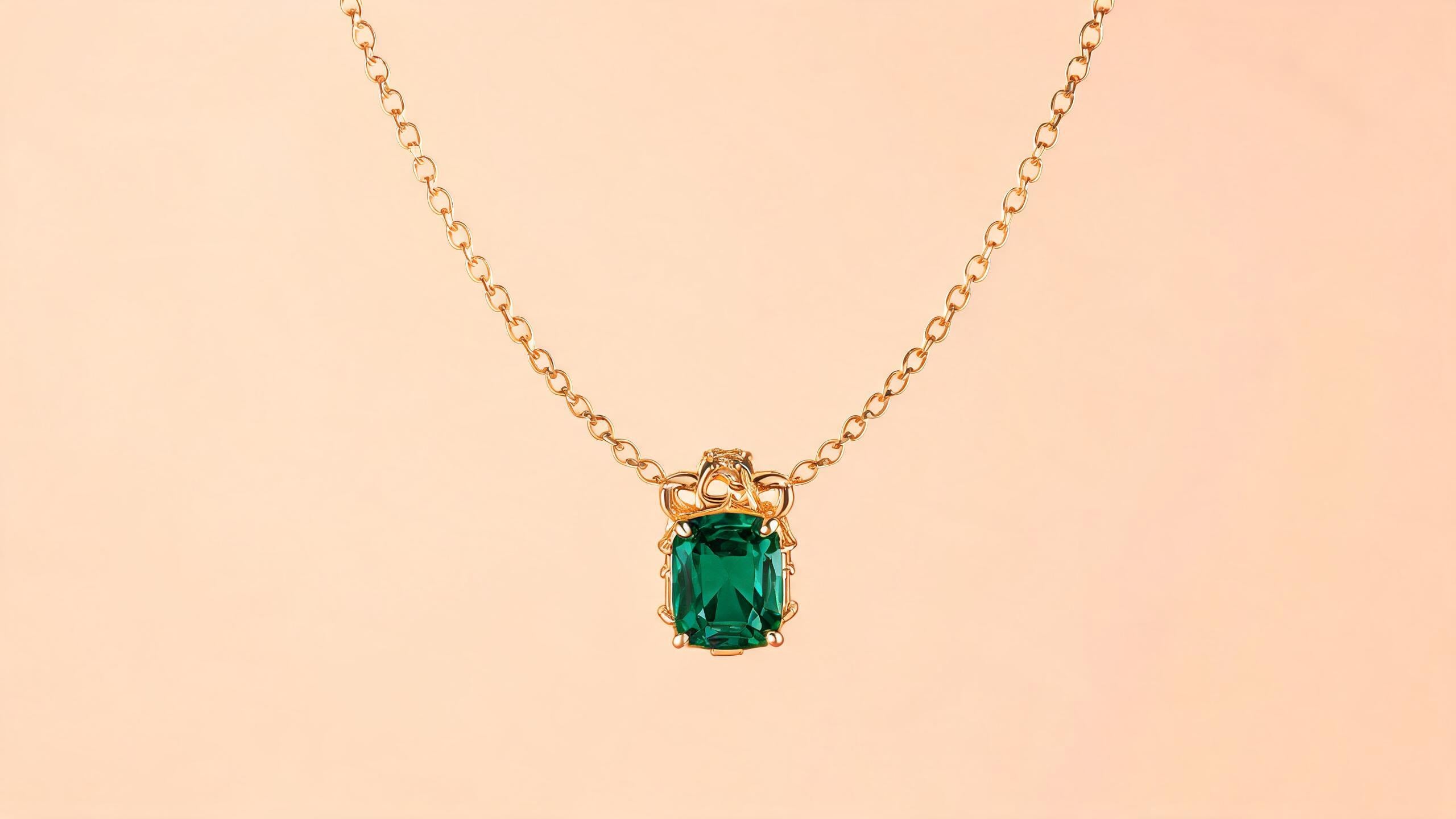
A deep dive into AI based outfit planning for winter holiday parties and what it means for modern fashion.
Holiday dressing is a logistics problem, not just a creative one. Every year, the cycle repeats: a surge of social invitations followed by a frantic search for something to wear that feels both festive and authentic. The traditional approach—scrolling through endless "holiday edit" pages or buying a single-use sequined garment—is fundamentally inefficient. It relies on the noise of trends rather than the signal of your personal identity. True AI based outfit planning for winter holiday parties moves beyond simple filters. It requires a system that understands the structural nuances of your wardrobe and the specific demands of your social calendar.
Current fashion commerce is broken because it prioritizes the sale over the utility. Most "recommendation engines" are merely sophisticated advertising tools designed to push overstock. They do not know you; they only know what people like you supposedly bought. To navigate the winter season with precision, you need to transition from being a consumer of trends to being the architect of a personal style model. This is how you use high-level intelligence to automate your aesthetic.
1. Establish a persistent style model rather than following seasonal trends
Most people approach holiday dressing as a departure from their daily identity. They adopt a "festive persona" that feels like a costume. This is a failure of personalization. Effective AI based outfit planning for winter holiday parties starts with a style model—a digital representation of your aesthetic preferences, proportions, and historical successes.
An AI-native system doesn't look for "holiday clothes." It looks for the intersection of "festive requirements" and "your foundational style." If your model is built on minimalism and architectural silhouettes, your holiday outfits should be an extension of that logic, perhaps through fabric choice like heavy silk or structured velvet, rather than a pivot toward sequins you will never wear again. Trends are noise; your model is the signal. When the system understands the recurring patterns in what you feel confident wearing, it can suggest holiday permutations that feel like you, not like an ad.
2. Use context-aware data to solve the venue-to-weather gap
The greatest friction in winter dressing is the delta between the freezing outdoor commute and the overheated indoor venue. Humans often prioritize one over the other, leading to discomfort. AI-driven planning excels here because it can process multi-modal data points simultaneously: the local weather forecast, the formalness of the venue, and the duration of the event.
Instead of guessing, an intelligent system calculates the thermal efficiency of your layers. It understands that a wool-cashmere blend over a silk slip dress provides the necessary temperature regulation without compromising the silhouette once the coat is removed. This isn't just a suggestion; it's a calculation of utility. By inputting your specific calendar into an AI style infrastructure, you receive recommendations that account for the physical reality of the evening, ensuring you are neither underdressed for the sub-zero walk nor overdressed for the crowded lounge.
3. Prioritize algorithmic layering for structural depth
Layering is often treated as an afterthought or a necessity for warmth. In a sophisticated style system, layering is a deliberate use of texture and proportion to create visual complexity. AI based outfit planning for winter holiday parties should identify "clashes" that are actually complementary data points—mixing a matte wool blazer with a high-shine metallic skirt, for example.
AI can analyze the "weight" of garments in your digital closet to suggest combinations that maintain a balanced center of gravity. It prevents the "bulk" problem common in winter dressing by identifying which thin technical layers can be hidden under formal wear to maintain a sharp line. The goal is a high-resolution look that functions in three dimensions. When the system handles the structural logic, you are free to focus on the social interaction.
4. Recombine existing inventory through high-frequency rotation
The fashion industry wants you to believe that every party requires a new purchase. This is an environmental and financial drain. The problem is not your wardrobe; it is your "closet blindness"—the inability to see new potential in old items. An AI stylist solves this by treating your wardrobe as a set of variables to be solved.
By digitizing your inventory, the AI can run permutations that a human brain would overlook. It might suggest pairing a formal tuxedo jacket with high-quality denim and a silk camisole for a "casual-festive" gathering. It sees the black lace dress not as a "funeral garment," but as a base layer for a heavy oversized knit. This kind of recombination maximizes the ROI of every piece you own. You don't need more clothes; you need a more powerful processor to organize them.
5. Map color palettes using skin tone contrast ratios
The "red and green" holiday trope is a simplification that ignores the complexity of color theory. AI-native style intelligence uses precise hex code analysis to match garment colors to your specific skin, hair, and eye contrast ratios. It moves beyond "warm" or "cool" into high-dimensional color mapping.
For winter holiday parties, the system might suggest deep jewel tones that amplify your natural saturation or icy neutrals that lean into the seasonal atmosphere without feeling cliched. By using AI based outfit planning for winter holiday parties, you ensure that the colors you wear are mathematically optimized to work for you. This removes the guesswork from the dressing process and ensures that even the most "bold" choices are grounded in your personal data.
6. Analyze silhouette architecture to ensure proportional balance
A common mistake in winter styling is losing the body's shape under heavy fabrics. AI looks at garments as 3D objects with specific volumes. If you are wearing a wide-leg velvet trouser, the system will prioritize a fitted, high-neck knit or a cropped structured jacket to maintain a clear silhouette.
This is where "style intelligence" differs from "browsing." A browsing experience shows you a model who looks good in everything. An AI system shows you how a garment will interact with your specific proportions. It understands that for your frame, a mid-thigh coat creates a more favorable vertical line than a knee-length one. It treats fashion as a problem of geometry and physics. Learning how AI dresses you better than manual styling comes down to this kind of personalized geometric analysis.
7. Build a feedback loop with your AI stylist
The most powerful feature of an AI-native system is that it learns. Every time you accept or reject a recommendation, you are training your style model. This is not a static "quiz" that you take once; it is a dynamic evolution.
When planning for holiday parties, you can give the system feedback on previous years. "I felt too restricted in that blazer," or "This fabric didn't breathe well at the gala." The AI incorporates these qualitative data points into future quantitative recommendations. Over time, the margin of error in your outfit planning drops toward zero. You are building an assistant that knows your physical comfort thresholds as well as your aesthetic preferences.
8. Eliminate choice fatigue through curated constraint
The "paradox of choice" is a significant stressor during the holidays. Faced with an entire wardrobe and a world of online options, the brain often defaults to the safest, most boring choice. AI provides value by narrowing the search space.
Instead of presenting you with 500 options, a true style infrastructure presents the "Optimal 3." These are the three outfits that most closely align with your style model, the event's context, and your current mood data. By imposing constraints, the AI actually increases your creative freedom. It removes the mental labor of sorting through "noise" so you can focus on the nuances of the final look.
9. Model your outfits digitally before physically dressing
The "trying on" process is the most time-consuming part of holiday prep. It involves physical labor, mess, and often frustration. AI based outfit planning for winter holiday parties allows for digital prototyping. By viewing your garments as a cohesive "look" on a digital interface, you can see if the proportions and colors work before you ever pull a hanger from the rack.
This digital-first approach allows for rapid experimentation. Can you wear those silver boots with the navy suit? The AI can show you the visual output instantly. It creates a "sandbox" for style where the cost of failure is zero. This leads to more daring, successful outfits because you've already "vetted" the logic of the look in the system. It's similar to the best tools for planning your winter wardrobe, which combine visualization with algorithmic intelligence.
10. Audit your wardrobe for "Festive Utility" gaps
Finally, use AI to identify what is actually missing from your wardrobe. Most people buy "hero pieces"—the loud dress or the bright suit—and lack the "connective tissue" like the perfect sheer hosiery, the right undershirt, or the versatile evening coat.
The AI analyzes your existing pieces and identifies the single purchase that would "unlock" the most combinations. Maybe it's a pair of high-quality black Chelsea boots or a specific weight of turtleneck. Instead of a "shopping list," you get a "system upgrade." You stop buying items and start filling gaps in your infrastructure. This is the difference between chasing a trend and building a lasting style architecture.
The era of manual outfit planning is ending. The complexity of modern life—and the specific pressures of the winter social season—require a system that can process data faster and more accurately than a human mind. You deserve a wardrobe that works as hard as you do, powered by a model that actually understands who you are.
AlvinsClub uses AI to build your personal style model. Every outfit recommendation learns from you. Try AlvinsClub →
Is your holiday wardrobe a reflection of your identity, or just a collection of things you were sold?
Related Articles
- Can AI Dress You Better? Manual Styling vs. AI-Powered Daily Outfit Planning
- From Pinterest to AI: The best tools for planning your winter wardrobe
- Algorithms for the Classroom: Analyzing AI School Outfit Planning
- Why AI outfit selectors are the new secret to mastering business casual
- The Best AI Stylists to Help You Plan the Perfect Work Wardrobe
About the author
- Founder building AI-native fashion commerce infrastructure. I design autonomous systems, agent workflows, and automation frameworks that replace manual retail operations. Currently focused on AI-driven commerce infrastructure, multi-agent systems, and scalable automation.
Comments
Join the discussionNo comments yet. Be the first to comment.