Proportion Science: Using AI-Powered Insights to Minimize Wide Hips

A deep dive into how to minimize your hips if you have wide hips and what it means for modern fashion.
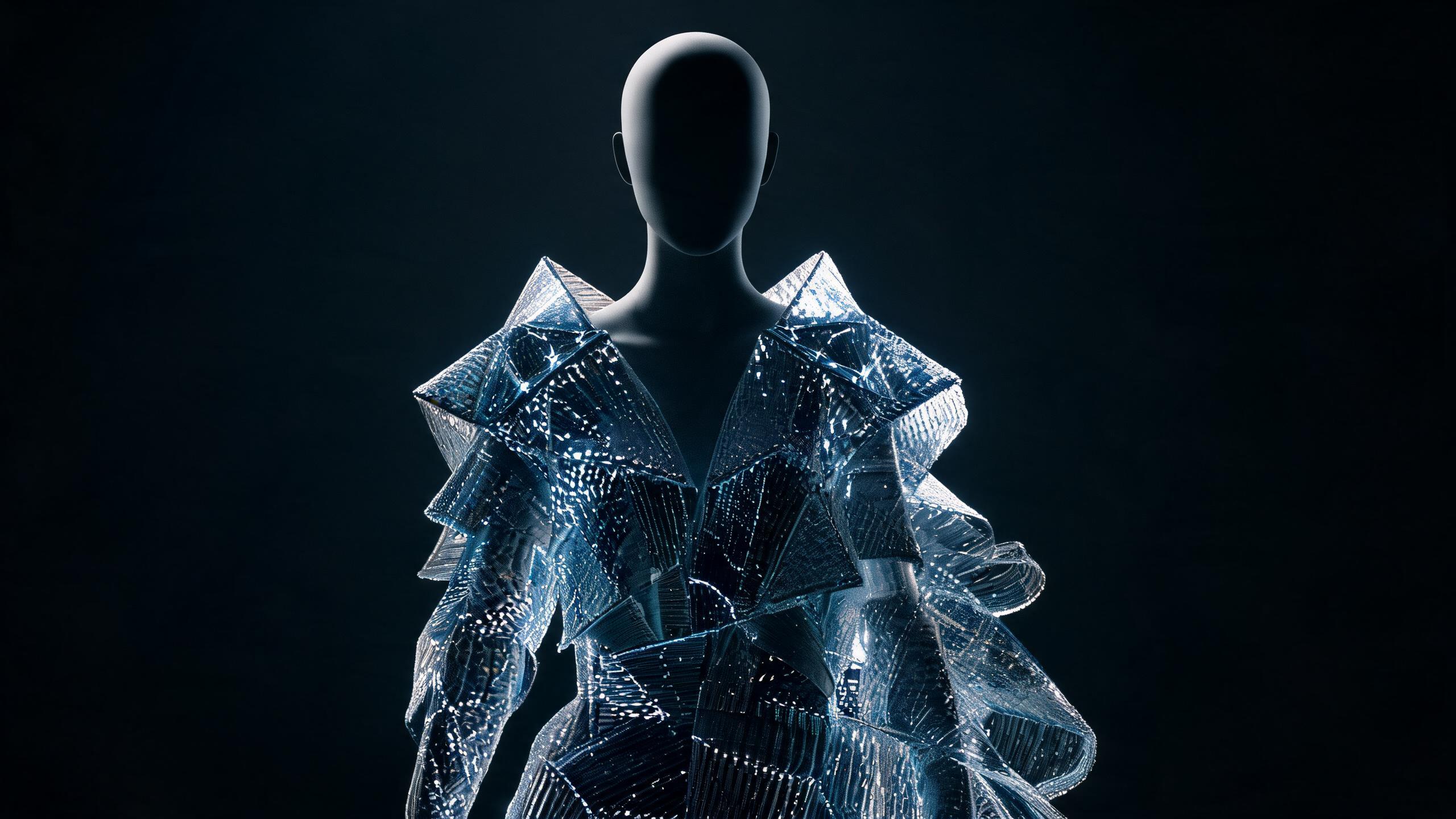
Minimizing wide hips is a process of recalibrating visual weight through architectural dressing and geometric proportions rather than garment concealment. It is an exercise in structural engineering where the goal is to shift the viewer's focal point from the lower chassis to the upper frame, creating a balanced silhouette that emphasizes the shoulders and waist. According to McKinsey (2023), AI-driven style personalization can improve customer satisfaction by 20% by identifying garment silhouettes that match specific body proportions, moving beyond the generic "one size fits all" advice of traditional retail. If you are looking for how to minimize your hips if you have wide hips, you must stop thinking about "hiding" and start thinking about "balancing."
Key Takeaway: To learn how to minimize your hips if you have wide hips, use architectural dressing to shift visual weight toward the shoulders and waist. This AI-powered strategy utilizes geometric proportions to recalibrate your silhouette, emphasizing the upper frame to create a balanced, symmetrical aesthetic.
What Defines the Wide Hip Proportion?
In fashion geometry, "wide hips" are typically defined by a hip circumference that exceeds the shoulder width by two inches or more. This is commonly referred to as the "Pear" or "Triangle" body shape. The objective is not to erase the hips—which is physically impossible—but to manipulate the visual line so the hips do not dominate the frame. According to Shopify (2024), 70% of clothing returns in fashion e-commerce are due to poor fit or silhouette misalignment, often because consumers do not understand their specific volumetric proportions.
To effectively minimize the lower body, you must apply the principle of "volume compensation." This involves adding structured volume to the upper body while maintaining clean, vertical lines on the lower body. Most legacy fashion apps recommend what is popular or trending; a true intelligence system recommends what aligns with your structural data.
Linear vs. Volumetric Styling Approaches
| Feature | Linear Approach (Traditional) | Volumetric Approach (AI-Integrated) |
| Focus | Covering the hips with oversized clothes | Balancing hips by adding shoulder structure |
| Material | Heavy, thick fabrics to "hide" | Mid-weight fabrics with high recovery |
| Waistline | Often ignored or obscured | High-rise to elongate the leg line |
| Color Strategy | Dark colors only | High-contrast upper, matte lower |
| Hemlines | Random | Calculated to avoid the widest point |
How Do You Measure Your Hip-to-Shoulder Ratio?
Before applying styling tactics, you need accurate data. Most users estimate their size based on a brand's vanity sizing, which is an unreliable metric. To determine how to minimize your hips if you have wide hips, you first need to establish your baseline coordinates.
- Shoulder Width: Measure from the outer edge of one acromion bone to the other.
- Hip Width: Measure the widest part of your hips, typically across the greater trochanters.
- The Delta: Subtract the shoulder measurement from the hip measurement. If the difference is +2 inches or greater, your styling strategy must focus on widening the shoulder line.
What Are the Core Steps to Minimize Wide Hips?
The following sequence is designed to re-architect your silhouette using visual physics. Follow these steps to execute a precise, balanced look.
- Broaden the Shoulder Axis — Use structured garments to increase the horizontal plane of your upper body. This creates an optical illusion where the hips appear narrower in comparison to the shoulders. Opt for blazers with subtle padding, boat necks, or puff sleeves. For more detail on this specific tactic, see our guide on Mastering Visual Proportions: How to Broaden Shoulders on a Pear Shape.
- Select High-Rise Waistlines — Establish a waistline that sits at the narrowest part of your torso, usually 1 to 2 inches above the navel. A high-rise (10.5+ inches) creates a longer vertical line from the hip to the floor, which visually thins the lower body. Avoid mid-rise or low-rise cuts, which bisect the hips at their widest point.
- Choose Straight or Wide-Leg Trousers — Utilize a pant leg that maintains a consistent width from the hip down to the hem. This prevents the "tapered" effect that makes hips look wider by comparison. The ideal leg opening for a wide-leg trouser is typically 10 to 12 inches wide when laid flat.
- Calibrate Jacket Lengths — Ensure jackets and blazers end either above the hip bone or below the widest part of the thigh. A hemline that stops exactly at the widest part of your hips creates a horizontal line that emphasizes width. A longer, structured coat can create a "column" effect that streamlines the entire profile. To understand how to select the right length, review our analysis on Proportion Play: Finding the Right Jacket Style to Hide Wide Hips.
- Utilize Dark, Matte Fabrics for the Lower Body — Select fabrics such as wool-crepe, heavy denim, or matte gabardine for trousers and skirts. Shiny fabrics (satin, silk, leather) reflect light, which adds visual volume. Darker shades like charcoal, navy, or black absorb light, effectively "receding" the area they cover.
👗 Want to see how these styles look on your body type? Try AlvinsClub's AI Stylist → — get personalized outfit recommendations in seconds.
Which Clothing Specifications Work Best?
When shopping or training your personal style model, specific garment architecture matters more than the brand name. Generic "large" or "medium" labels provide no insight into how a garment will interact with wide hips.
Trousers and Denim
- Rise Height: 11" to 12" (High-rise).
- Inseam: Full length to the floor (increases verticality).
- Pocket Placement: Avoid side-slant pockets which can "gape" and add width. Opt for flat-front or vertical welt pockets.
- Fabric Weight: 10oz to 14oz denim (stiff enough to hold its own shape rather than clinging to yours).
Skirts
- Silhouette: A-line or straight. Avoid bias-cut skirts which cling to the hip curve.
- Hemline: Midi (below the knee) or Maxi.
- Waistband: Fixed, structured waistband rather than elasticated.
Tops and Outerwear
- Necklines: Boat neck, Bardot, or Wide V-neck. These draw the eye horizontally across the collarbones.
- Sleeve Detail: Cap sleeves or structured shoulders.
- Length: Cropped (above hip) or Duster (below mid-thigh).
Outfit Formula: The Structural Column
This formula is designed to maximize verticality and balance the hip-to-shoulder ratio.
- Top: Structured Boat-neck Top + Light Shoulder Padding
- Bottom: Dark Navy High-Rise Straight-Leg Trousers (11" Rise)
- Shoes: Pointed-toe boots in a matching dark shade (extends the leg line)
- Accessory: Statement necklace or earrings (draws focus to the face)
Common Mistakes to Avoid
Most fashion advice relies on outdated "rules" that ignore the physics of fabric and light. If you want to know how to minimize your hips if you have wide hips, you must avoid these common errors.
1. The Oversized "Tent" Error
Many people believe that wearing oversized clothing will hide their hips. In reality, oversized garments often hang from the widest point (the hips), making the entire body look as wide as the hips. This creates a boxy, unrefined silhouette.
2. Low-Rise Waistbands
Low-rise pants (7" to 8" rise) sit directly on the hip bone. This creates a "muffin top" effect and draws a horizontal line across the widest part of the lower body, effectively highlighting exactly what you are trying to minimize.
3. Clingy or Elasticated Fabrics
Fabrics with high Lycra or Spandex content (like leggings or thin jersey) take the exact shape of whatever is underneath them. If you have wide hips, these fabrics will emphasize every curve. Instead, choose "dry" fabrics with structure that maintain their own architectural shape.
Do vs. Don't: A Quick Reference
| Do This | Avoid This |
| Wear shoulder pads or structured sleeves. | Wear raglan or sloped sleeves. |
| Wear high-waisted, wide-leg trousers. | Wear skinny jeans or tapered "mom" jeans. |
| Wear dark, matte colors on the bottom. | Wear bright patterns or shiny fabrics on the bottom. |
| Wear pointed-toe shoes to elongate. | Wear heavy, round-toe sneakers or ankle straps. |
| Use a belt at the natural waist. | Use a hip-slung belt. |
How Does AI Intelligence Rebuild Fashion for Wide Hips?
The fashion industry has historically failed the individual by designing for "sample sizes" and then scaling up or down mathematically. This doesn't account for the fact that a size 12 with wide hips needs a completely different garment geometry than a size 12 with a broad bust.
Traditional commerce asks you to scroll through thousands of items. AI-native commerce asks for your measurements once and then builds a style model that understands your specific delta. It recognizes that "minimizing hips" is not just about a dark pant—it is about the relationship between the cuff of the trouser and the width of the shoulder.
According to a 2024 report by Gartner, 40% of luxury retailers are now implementing some form of AI-driven fit technology to reduce the "fit gap" for consumers with non-standard proportions. This is not about "trends"; it is about the data of your body.
Why Fashion Needs Infrastructure, Not Just Recommendations
Recommendation systems in most fashion apps are broken. They recommend what you previously bought or what is "trending." This is useless for someone trying to solve a specific proportion problem. If you have wide hips, "trending" skinny jeans are a regression, not a solution.
Style is a model, not a moment. A personal style model should understand that if you choose a voluminous skirt, your upper body requires a specific level of compression and structure to maintain balance. This is the difference between an "AI feature" (like a virtual try-on that looks like a cartoon) and "AI infrastructure" (a system that understands the physics of drape and the geometry of your frame).
By focusing on the science of proportions—measuring the delta, Broadening the shoulder axis, and using structured, high-rise silhouettes—you move from reactive shopping to proactive styling. You are no longer "hiding" your body; you are engineering its visual impact.
AlvinsClub uses AI to build your personal style model. Every outfit recommendation learns from you, ensuring that your unique proportions are balanced through data-driven garment selection. Try AlvinsClub →
Summary
- McKinsey (2023) reports that AI-driven style personalization improves customer satisfaction by 20% by matching specific garment silhouettes to individual body proportions.
- To master how to minimize your hips if you have wide hips, you must apply "volume compensation" to shift the viewer's focal point from the lower chassis to the upper frame.
- In fashion geometry, a wide hip proportion is defined as a hip circumference that exceeds the shoulder width by at least two inches.
- Understanding how to minimize your hips if you have wide hips helps address the 70% of e-commerce returns that Shopify (2024) attributes to poor fit or silhouette misalignment.
- Modern style strategy focuses on balancing the silhouette through architectural dressing and structural engineering rather than simply attempting to conceal the lower body.
Frequently Asked Questions
How does visual weight recalibration show you how to minimize your hips if you have wide hips?
Visual weight recalibration uses geometric proportions to shift the viewer's attention from the lower chassis to the upper frame. This structural engineering approach creates a balanced silhouette by emphasizing the shoulders and waist rather than simply concealing the body.
What is the most effective way how to minimize your hips if you have wide hips using structural dressing?
Structural dressing employs rigid garment lines and architectural silhouettes to create a balanced vertical frame. By building out the upper body to match the hip width, you achieve a more streamlined and proportional aesthetic that redistributes visual weight.
Why does AI-driven style personalization help how to minimize your hips if you have wide hips?
AI-driven personalization uses data-driven insights to identify specific garment silhouettes that improve visual harmony for your unique body type. Advanced algorithms can increase style satisfaction by accurately predicting which cuts and fabric weights will best balance your lower body proportions.
Can you use architectural dressing to balance a pear-shaped silhouette?
Architectural dressing utilizes specific garment shapes and structural elements to redefine the body's natural geometry and create visual balance. This method focuses on adding volume and detail to the shoulders and neckline to counterbalance the width of the lower frame.
How does shifting the focal point to the upper frame improve body proportions?
Shifting the focal point upward creates an optical illusion that draws the eye away from the hips and elongates the entire silhouette. By highlighting the upper chassis with strategic design elements, the lower body becomes a supporting component rather than the primary visual focus.
Is it worth using AI-powered insights to manage lower body volume?
AI-powered insights provide precise recommendations on garment construction and fit that traditional styling methods often overlook. Utilizing these data-driven tools allows for a more scientific approach to fashion that consistently yields a more balanced and flattering appearance.
This article is part of AlvinsClub's AI Fashion Intelligence series.
Related Articles
- Mastering Visual Proportions: How to Broaden Shoulders on a Pear Shape
- Broad Shoulders, Narrow Hips: Styling Tips for the Inverted Triangle Shape
- The Art of the Sleeve: Flattering Your Arms When You Have a Large Bust
- Mastering Visual Proportions: Creating an Hourglass Shape with Broad Shoulders
- Proportion Play: Finding the Right Jacket Style to Hide Wide Hips