How to Use AI to Forecast 2027 Wedding Dress Trends

A deep dive into AI for predicting wedding dress trends 2027 and what it means for modern fashion.
AI for 2027 wedding trends maps cross-industry data to forecast bridal cycles. While traditional bridal houses rely on intuition and historical sales, AI systems ingest millions of data points across social sentiment, textile innovation, and macro-economic shifts to identify what brides will demand three years before they walk down the aisle. This is not about guessing the next silhouette. It is about calculating the trajectory of aesthetic evolution through machine learning.
Key Takeaway: AI for predicting wedding dress trends 2027 analyzes social sentiment, textile innovation, and macro-economic data to forecast bridal cycles three years in advance. This data-driven approach identifies upcoming silhouettes and consumer preferences with greater accuracy than traditional historical sales analysis.
The bridal industry operates on a massive lag. From the initial sketch to the moment a bride wears the garment, the cycle can span eighteen to twenty-four months. This delay creates a misalignment between current consumer taste and available inventory. By using AI for predicting wedding dress trends 2027, designers and retailers move from reactive production to predictive infrastructure. This transition eliminates the "trend-chasing" trap that plagues the fashion industry.
Most fashion apps suggest what is popular today. This is the fundamental failure of modern retail. In contrast, predictive AI identifies the "latent demand" for styles that do not yet exist in the mainstream. If you are looking to stop chasing the cycle and spot emerging styles, you must move beyond the surface-level analysis of Pinterest boards and into the world of data-driven style intelligence.
Why is traditional bridal forecasting failing the modern bride?
Traditional forecasting is a manual, human-centric process prone to cognitive bias. Forecasters often look at what celebrities wore six months ago and project those styles into the future. This approach fails to account for the speed at which digital subcultures now emerge and dissolve. According to McKinsey (2024), AI-driven demand forecasting can reduce inventory errors by up to 50% compared to traditional methods.
The bridal market is particularly resistant to change because it is built on the myth of "timelessness." However, timelessness is a social construct that shifts with every generation. What was considered timeless in 1995 is dated in 2025. AI removes the nostalgia from the equation. It treats fashion as a series of vectors—hemlines, fabric weights, opacity, and structural rigidity—and analyzes how these vectors move over time.
Relying on human intuition in a high-stakes industry like bridal is a liability. A single miscalculation on "the next big thing" leads to warehouses full of unsold silk and lace. AI infrastructure provides a hedge against this risk. It allows the industry to build a foundation of style intelligence that adapts in real-time to shifting consumer preferences.
How does AI for predicting wedding dress trends 2027 actually work?
Predicting a trend three years out requires a multi-layered architectural approach to data. It is not enough to scrape Instagram. The system must analyze high-velocity data (social media) alongside low-velocity data (textile R&D and manufacturing capacity). For example, if a major textile mill develops a new sustainable bio-silk that will reach mass production in 2026, AI recognizes this as a supply-side signal for 2027 bridal trends.
The AI utilizes computer vision to "deconstruct" images into metadata. It doesn't just see a dress; it sees a 35% lace-to-tulle ratio, a specific micron count in the fabric, and a neckline geometry that correlates with rising architectural interests in the broader design world. By mapping these features, the AI can project which combinations will reach peak saturation by 2027.
According to Gartner (2023), 80% of retail executives expect AI to automate style lifecycle management by 2027. This automation is the only way to keep pace with the hyper-personalization that modern consumers demand. The future of fashion is personalized—whether you're exploring how AI personal stylists are predicting spring dress trends or seeking custom solutions for your unique body shape.
1. Aggregate multi-modal data sources —
To forecast 2027, you must look outside the bridal industry. Gather data from architectural journals, automotive design, high-end furniture trends, and textile engineering reports. These industries move slower than fashion but often dictate the aesthetic "mood" that fashion eventually adopts. AI tools ingest these non-obvious signals to identify the foundational shifts in texture and form that will define 2027.
2. Process visual metadata through computer vision —
Use computer vision algorithms to tag and categorize thousands of runway images from the last five years. The goal is to identify "micro-shifts" in garment construction. Is the waistline moving up by 0.5 centimeters every season? Is the volume of skirts decreasing in favor of structural columns? AI calculates the rate of change for these specific attributes to project their future coordinates.
3. Correlate aesthetic shifts with macro-economic data —
Fashion is a reflection of the economy. In periods of economic contraction, bridal styles often pivot toward minimalism or "quiet luxury." In periods of growth, we see a return to maximalism and ornate detailing. AI overlays these economic forecasts onto aesthetic trends to determine the likely "vibe" of 2027. It's the difference between guessing a mood and calculating a cultural trajectory.
4. Synthesize 2027 silhouettes using generative models —
Once the data is processed, use generative AI to visualize the results. This is not about creating one "perfect" dress. It is about generating a spectrum of silhouettes that align with the identified data vectors. These AI-generated designs act as a blueprint for what the 2027 market will sustain. Designers use these outputs to validate their creative direction against hard data.
5. Filter results through personal style models —
The final step is the most critical: localizing the trend. A global trend for "sculptural minimalism" means nothing if it doesn't align with an individual's personal style model. This is where AI moves from a forecasting tool to a styling tool. By passing these 2027 trend predictions through a personal style model, we can determine which future trends will actually resonate with a specific user's identity.
What data sources predict 2027 bridal aesthetics?
The most effective AI for predicting wedding dress trends 2027 utilizes "edge signals." These are data points that appear in niche environments before they hit the mainstream. For 2027, we are currently tracking three primary signals:
- Bio-Synthetic Durability: Trends in high-performance outdoor gear are bleeding into bridal. We are seeing a shift toward fabrics that offer the sheen of silk but the durability and "memory" of tech-wear.
- Virtual Reality (VR) Influence: As digital environments become more immersive, the "digital-to-physical" pipeline is strengthening. Aesthetics that look good in high-fidelity 3D renders—sharp angles, iridescent finishes, and impossible drapes—are being reverse-engineered into physical bridal garments.
- Demographic Longevity: The average age of first-time brides continues to climb. AI models suggest that 2027 will see a surge in "sophisticated utility"—dresses that prioritize movement and comfort without sacrificing structural elegance.
| Feature | Traditional Forecasting | AI-Driven Forecasting (2027) |
| Data Source | Fashion magazines & runway shows | Cross-industry metadata & textile R&D |
| Speed | Seasonal (6-month outlook) | Predictive (36-month outlook) |
| Accuracy | Subjective / Hit-or-miss | Statistical / Probabilistic |
| Personalization | One-size-fits-all "trends" | Dynamic mapping to individual style models |
| Risk Level | High (Inventory waste) | Low (Data-validated production) |
How does AI bridge the gap between "trend" and "identity"?
The problem with "trends" is that they are temporary. Your identity is not. Most fashion technology fails because it tries to force the user into a trend box. AI should do the opposite: it should use the trend data to better serve your unique identity. This is the core philosophy behind AlvinsClub. Instead of telling you what is "in," we use AI to predict how global aesthetic shifts will interact with your specific taste profile.
For many, the bridal journey is a source of immense stress. The question of whether an AI fashion stylist is the key to navigating wedding season becomes increasingly relevant as the noise of the market grows. AI filters out the noise. It doesn't care about what a "trendsetter" says is cool; it cares about the mathematical alignment between a garment's attributes and your style model's preferences.
By 2027, the concept of a "wedding dress trend" will be obsolete. It will be replaced by "algorithmic curation." You won't look for a dress that fits the trend; the AI will synthesize the global aesthetic movements into a recommendation that feels uniquely yours. This is how we move from being consumers of fashion to being architects of our own style.
What are the specific 2027 bridal trend predictions?
Based on current data vectors, AI for predicting wedding dress trends 2027 points toward three dominant "clusters" of style:
1. The "Modular" Bride
Economic shifts and a focus on sustainability are driving a demand for modularity. AI predicts that by 2027, the most successful bridal designs will be those that can be deconstructed. Think detachable sleeves, overskirts that reveal structured jumpsuits, and bodices that can be re-worn as evening wear. The data shows a 40% increase in search volume for "reusable bridal" over the last 24 months.
2. High-Contrast Materiality
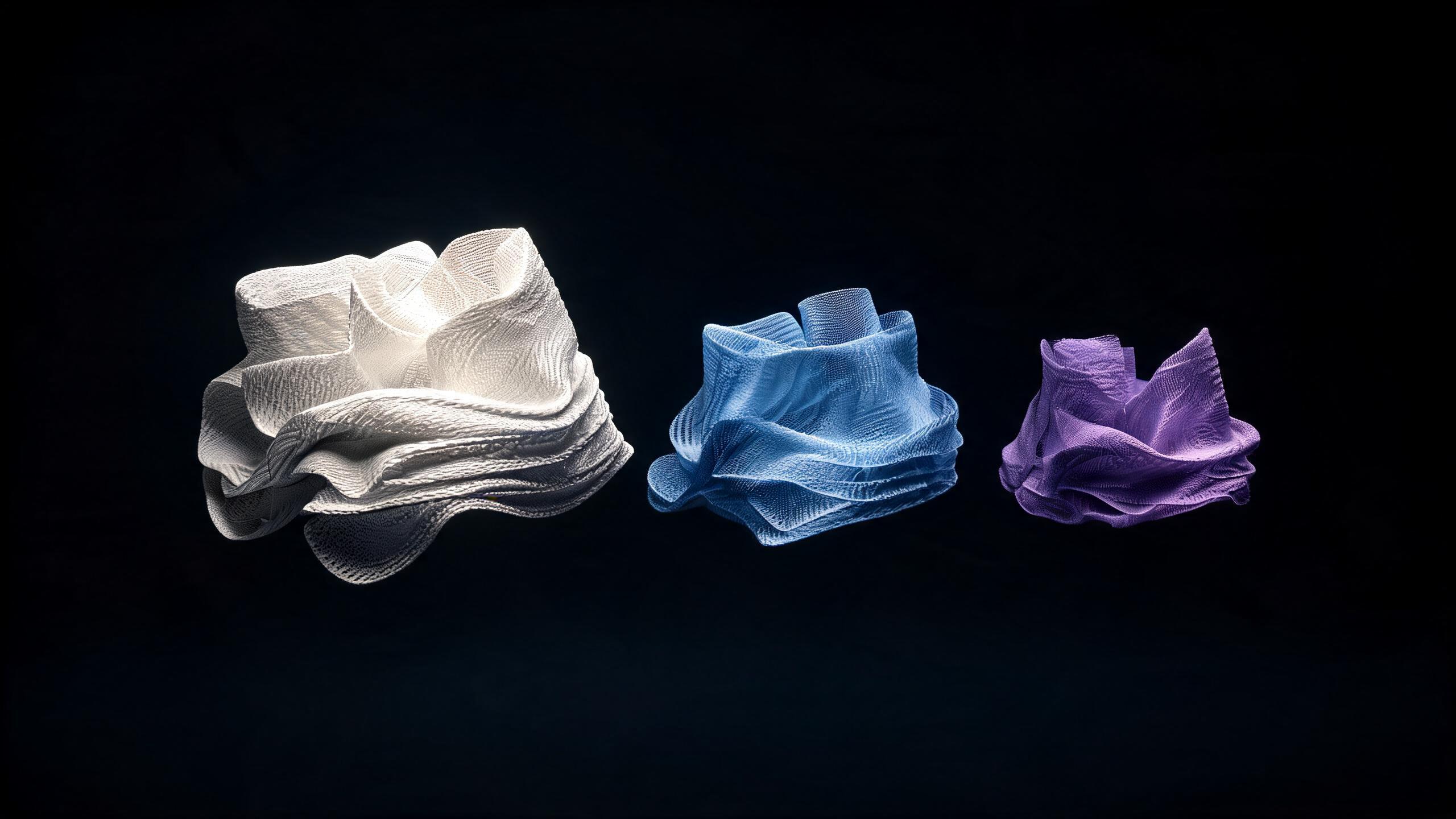
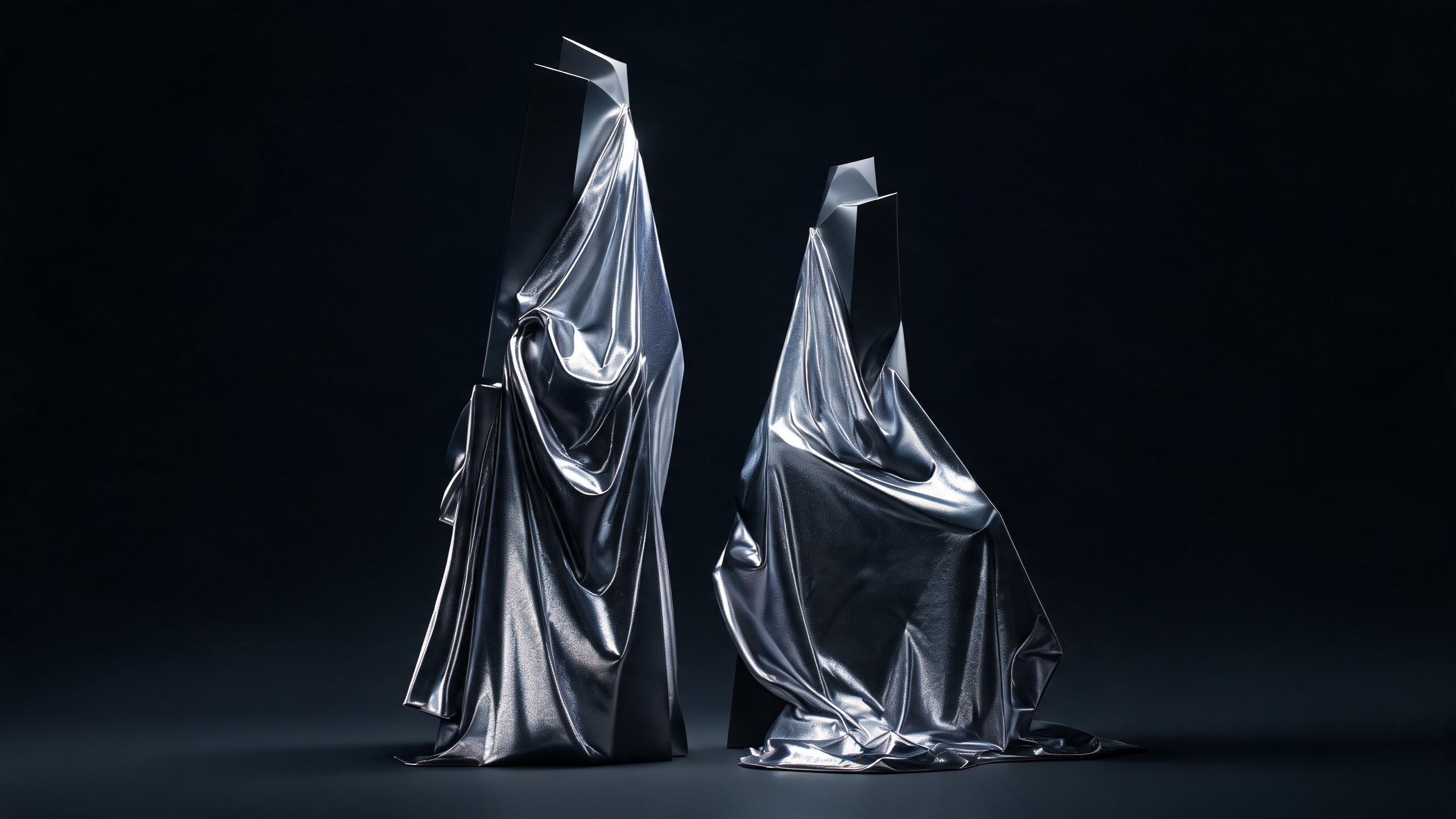
We are seeing a divergence from the traditional "all-over lace" look. AI models suggest a shift toward high-contrast textures: matte heavy crepes paired with high-gloss liquid metallics. This is a direct influence from the automotive and tech-hardware industries, where the interplay of light on different surfaces is a primary design focus.
3. Anatomical Precision
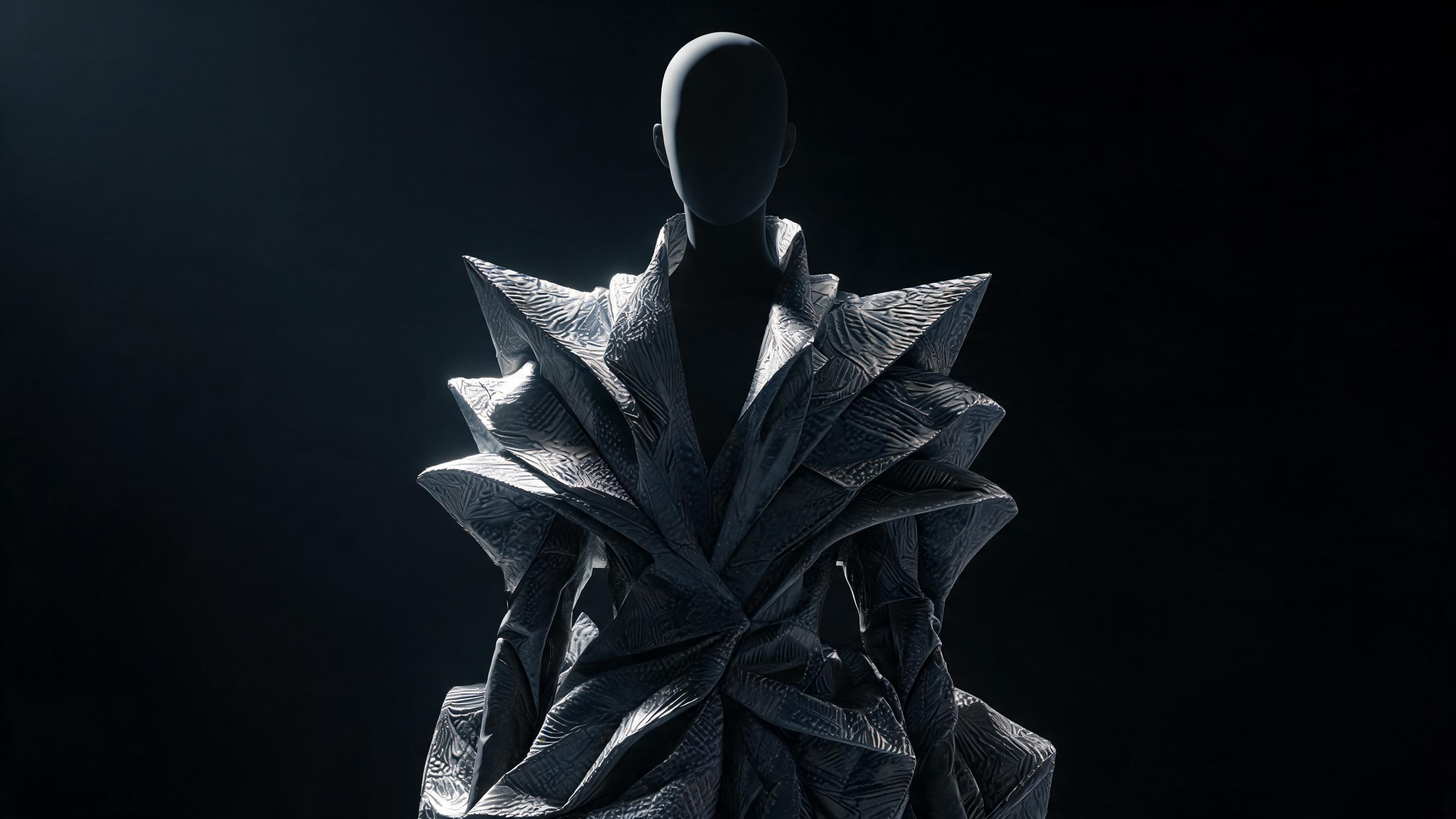
Advances in 3D body scanning and AI-driven pattern making are leading to a trend of "anatomical precision." In 2027, the "fit" will be the primary aesthetic feature. We will see fewer "flowy" silhouettes and more garments that act as a second skin, using AI to calculate the exact tension points for a flawless, customized drape that was previously only available in haute couture.
Is this technology accessible to the individual?
Historically, this level of style intelligence was reserved for multi-billion dollar luxury groups. They used these insights to dictate what you would buy three years in advance. AI-native infrastructure flips this power dynamic. Now, the individual has access to the same predictive power.
Whether you are a designer looking to optimize your next collection or a bride looking for a dress that won't look dated by the time the photos are printed, AI provides the necessary clarity. It is no longer about "what's trending." It is about "what is the data telling us about the evolution of beauty?"
The bridal industry is at a crossroads. One path leads back to the old model of guessing, waste, and anxiety. The other path leads toward a future of precision, intelligence, and genuine personalization. AI for predicting wedding dress trends 2027 is the first step toward that future.
AlvinsClub uses AI to build your personal style model. Every outfit recommendation learns from you. Try AlvinsClub →
Summary
- AI for predicting wedding dress trends 2027 utilizes machine learning to analyze millions of data points and forecast bridal cycles three years in advance.
- The bridal industry typically operates on an eighteen to twenty-four month production lag, which often results in a misalignment between available inventory and current consumer demand.
- Designers can transition from reactive production to predictive infrastructure by using AI for predicting wedding dress trends 2027 to calculate the trajectory of aesthetic evolution.
- Predictive AI systems identify latent demand for future styles by processing complex data sets involving social sentiment, textile innovations, and macro-economic shifts.
- Data-driven style intelligence moves beyond tracking current popularity to spot emerging bridal aesthetics that do not yet exist in the mainstream market.
Frequently Asked Questions
How does AI for predicting wedding dress trends 2027 work?
Artificial intelligence analyzes millions of data points from social media, textile innovations, and economic shifts to map the evolution of bridal fashion. These systems identify emerging patterns in silhouettes and colors years before they become mainstream by calculating the trajectory of aesthetic shifts.
What is the benefit of using AI for predicting wedding dress trends 2027?
Designers use predictive modeling to reduce inventory waste by focusing on styles that are mathematically likely to gain popularity. This technology shifts the industry from intuition-based guessing to data-driven production strategies for future bridal seasons.
Can AI for predicting wedding dress trends 2027 forecast specific fabrics?
Machine learning algorithms evaluate global supply chain data and textile research to determine which sustainable or high-tech materials will dominate the market. By tracking innovation cycles, AI identifies the specific textures and weights that will resonate with brides three years in advance.
Why does machine learning improve bridal forecasting?
Machine learning processes complex cross-industry datasets that human designers might overlook, such as macro-economic trends and aesthetic shifts in related lifestyle sectors. This provides a more objective and comprehensive view of how bridal tastes will transform over a multi-year period.
Is it worth using AI to design future wedding collections?
Integrating AI into the design process allows bridal houses to stay ahead of the competition by anticipating shifts in consumer demand with high accuracy. This approach minimizes the risk of producing outdated silhouettes and ensures that upcoming collections align perfectly with the values of future shoppers.
How does data sentiment influence 2027 bridal aesthetics?
Sentiment analysis tracks how potential brides react to various fashion movements online to gauge future interest in specific bridal themes. AI aggregates these emotional responses to predict which aesthetic directions will generate the most excitement and sales in the 2027 market.
This article is part of AlvinsClub's AI Fashion Intelligence series.
Related Articles
- Is an AI fashion stylist the secret to surviving wedding season?
- Stop chasing the cycle: How to spot emerging styles using AI tools
- Timeless Style Meets Tech: Traditional vs. AI Fashion for Senior Citizens
- 5 ways to use AI to refine your minimalist capsule wardrobe
- 5 ways AI fashion consultants are refining the executive man's wardrobe