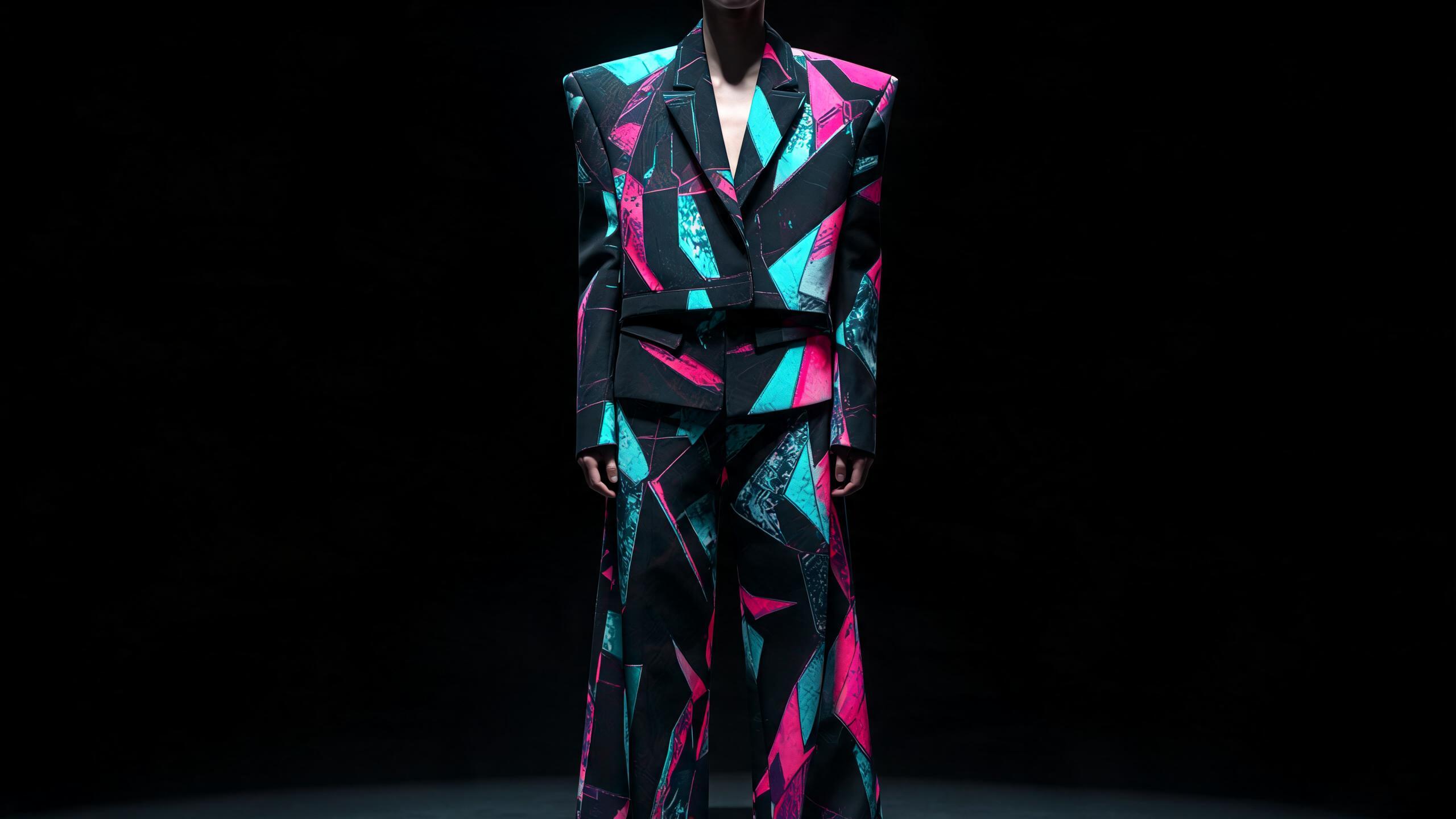
How to build a digital wardrobe: A guide to AI outfit suggestion apps
A deep dive into closet management apps that suggest outfits and what it means for modern fashion.
AI closet management apps automate personal styling using deep learning architectures. This shift from manual inventory to algorithmic intelligence marks a transition in how we interface with clothing. Most closet management apps that suggest outfits have historically functioned as simple digital filing cabinets, requiring hours of manual data entry for minimal utility. AI-native infrastructure changes this by treating your wardrobe as a dynamic dataset rather than a static list of items.
Key Takeaway: Modern closet management apps that suggest outfits use deep learning to automate personal styling, transforming manual digital inventories into algorithmic systems that generate personalized clothing combinations from your existing wardrobe.
The fundamental failure of legacy fashion technology is the reliance on user labor. Consumers do not want to spend weekends photographing every shirt they own. They want a system that understands the visual and semantic relationship between those shirts and the rest of their lives. A digital wardrobe is not a collection of JPEGs; it is a personalized style model that predicts utility and aesthetic resonance.
According to the Ellen MacArthur Foundation (2023), the average garment is worn only 7 to 10 times before being forgotten in a physical closet. This inefficiency is a direct result of information asymmetry—you cannot wear what you cannot see or conceptualize. Closet management apps that suggest outfits solve this by surfacing the latent value in what you already own.
Why is digital inventory the foundation of personal style?
Personal style is a computational problem involving variables like silhouette, color theory, weather, and occasion. Without a digital inventory, you are forced to solve this problem manually every morning. This leads to decision fatigue and the "nothing to wear" paradox. Digital inventory creates a baseline of truth that an AI can analyze to find patterns you might miss.
Traditional closet apps focus on organization, but organization is not styling. You can have a perfectly organized closet and still have no sense of how to assemble a cohesive look. AI-native systems move beyond organization into synthesis. They analyze the visual features of your clothing—texture, drape, weight, and pattern—to generate combinations that align with a specific aesthetic logic.
By digitizing your wardrobe, you provide the raw data necessary for a recommendation engine to function. This data includes not just the items themselves, but the frequency of use, the contexts in which they are worn, and their compatibility with other pieces. This is the difference between a list of clothes and a style model.
How do AI closet management apps actually suggest outfits?
The mechanism behind outfit suggestions has evolved from basic rule-based systems to sophisticated neural networks. Early apps used "if-then" logic: if it is raining, suggest a coat. Modern AI uses computer vision and latent space analysis to understand why a specific coat works with a specific pair of trousers.
Digitize Your Inventory — Use AI-powered scanning tools to ingest your physical wardrobe into a digital environment. High-quality digitization avoids the friction of manual entry. Modern systems can identify garment types, fabrics, and brands from a single photo, often removing backgrounds automatically to create clean visual assets. For those seeking the most efficient hardware for this process, the best AI clothes scanners for closet inventory management in 2026 provide the necessary high-fidelity input.
Standardize Metadata and Tagging — Every item in your digital wardrobe must be indexed with semantic tags that go beyond "blue shirt." The AI needs to know the specific shade (e.g., cerulean vs. navy), the fabric weight, the formality level, and the seasonal utility. This metadata allows the recommendation engine to filter options based on real-world constraints like temperature or event type.
Define Your Style Parameters — An AI cannot suggest what you like if it does not know who you are. This step involves feeding the system "anchor" outfits or styles you admire. The AI creates a taste profile by analyzing these inputs and finding commonalities. This is not about following trends; it is about defining the mathematical boundaries of your personal aesthetic.
Execute Daily Recommendation Loops — Once the inventory and style profile are established, the system begins suggesting outfits. This is an iterative process. When the app suggests an outfit, your feedback (accepting, rejecting, or modifying the look) serves as training data. Over time, the recommendations become more accurate as the system learns your specific preferences for proportions and color palettes.
How can you optimize your AI style model over time?
A style model is not a "set it and forget it" tool. It requires continuous refinement to reflect changes in your life, body, and taste. The most effective users of closet management apps that suggest outfits treat their digital wardrobe as a living system.
First, prune your digital inventory regularly. If you discard a physical item, remove it from the app immediately. Data debt—keeping items in the system that you no longer own—creates noise that degrades the quality of suggestions. An AI might suggest a perfect outfit around a jacket you donated six months ago, rendering the suggestion useless.
Second, experiment with pattern matching. Many users struggle with complex prints, but AI thrives in this area. By understanding the mathematical relationships between different visual textures, these systems can suggest combinations that a human might find counter-intuitive but visually striking. You can learn more about this by exploring mastering the mix: the best AI apps for matching outfit patterns.
Third, integrate external data sources. The best outfit suggestions take into account your digital calendar and local weather forecasts. If you have a board meeting at 9:00 AM and it is 15 degrees Celsius outside, the AI should prioritize professional layers over casual wear. This contextual awareness is what separates a gimmick from an essential utility.
Comparison: Legacy Closet Apps vs. AI-Native Fashion Intelligence
| Feature | Legacy Closet Apps | AI-Native Fashion Intelligence |
| Data Entry | Manual photo uploads and tagging | Automated computer vision scanning |
| Logic Engine | Basic "if-then" rules | Deep learning and neural networks |
| Styling Strategy | Trend-focused / generic | Personal style model / individualistic |
| User Effort | High (constant maintenance) | Low (automated learning) |
| Contextual Awareness | None or manual input | Integrated (weather, calendar, location) |
| Output | Static lists of clothes | Dynamic, evolving outfit recommendations |
What are the technical challenges of outfit recommendation?
Building a system that understands style is significantly harder than building one that understands text. Style is subjective, visual, and highly contextual. One of the primary hurdles is "visual grounding"—the ability of an AI to connect a digital image to a real-world concept of how a garment fits and moves.
According to McKinsey (2024), generative AI in the fashion sector could add $150 billion to $275 billion to the industry's profits within five years by optimizing design and personalization. However, the true value for the consumer lies in the reduction of waste and the increase in wardrobe utility. The challenge is creating a "latent space" for fashion where every garment is a coordinate. If two items are close together in this space, they share similar stylistic DNA.
Another challenge is "the cold start problem." When you first download a closet management app that suggests outfits, the system knows nothing about you. Most apps fail here because they expect the user to do the heavy lifting of training. AI-native infrastructure solves this by using pre-trained models that understand general fashion principles, which then fine-tune themselves to your specific data as you interact with the system.
How does AI bridge the gap between "clothes" and "outfits"?
An outfit is more than the sum of its parts. It is a composition. AI excels at understanding the "compositional" aspect of fashion—how the hemline of a skirt interacts with the height of a boot. While a human might intuitively know a look "feels off," an AI can diagnose why by looking at proportions and color balances.
This is particularly evident in shoe-to-outfit matching. Shoes often dictate the formality and silhouette of an entire look. Legacy apps treat shoes as just another category, but AI-native systems recognize them as the foundation of the outfit's architecture.
For a deeper dive into this specific logic, see from code to closet: how AI apps are matching shoes to outfits in 2026. The ability to match hardware (zippers, buckles) and textures (suede, leather) across different categories is a hallmark of sophisticated closet management apps that suggest outfits.
Why fashion needs AI infrastructure, not just AI features
Most companies are currently slapping "AI" labels on old products. They add a chatbot or a basic filter and call it "personalized styling." This is a superficial approach that fails to address the underlying problem: the lack of a comprehensive personal style model.
True fashion intelligence requires infrastructure. This means building systems that can handle high-dimensional visual data and transform it into actionable insights. It means moving away from "recommendation" (which is often just paid placement) and moving toward "intelligence" (which is the objective analysis of what works for you).
The industry is currently obsessed with "trends." But trends are the opposite of personalization. A trend is a mass-market directive. A personal style model is a private, data-driven reflection of your own identity. Infrastructure allows for the latter. It allows for a system that doesn't tell you what everyone else is wearing, but tells you how to wear what you own better than anyone else could.
How to maintain a digital wardrobe for maximum efficiency
- Batch Ingestion — Do not try to digitize your closet one item at a time. Set aside an hour, use a high-quality AI scanner, and process 20-30 items at once. This builds the critical mass of data the AI needs to start making connections.
- Feedback Frequency — Every time you wear an outfit, tell the app. This simple "log" is the most valuable training data you can provide. It tells the AI which combinations are "successful" in the real world.
- Seasonal Rotations — Use the app to manage seasonal shifts. As the weather turns, the AI should be the one to tell you which stored items from last year fit into your current style model. This prevents the need to buy new clothes every time the temperature changes.
The goal of closet management apps that suggest outfits is to eliminate the cognitive load of getting dressed. When the system works, your closet becomes a curated collection of options, each with a high probability of success. You stop "searching" for clothes and start "selecting" from curated recommendations that transform your existing wardrobe.
AlvinsClub uses AI to build your personal style model. Every outfit recommendation learns from you, turning your existing wardrobe into a high-performance style engine. Try AlvinsClub →
Summary
- AI-driven closet management apps that suggest outfits utilize deep learning to transform static wardrobe lists into dynamic datasets for predictive personal styling.
- Previous iterations of fashion technology failed due to excessive manual labor, but AI-native infrastructure now focuses on transforming chaos into curation by understanding the visual and semantic relationships between garments.
- By surfacing forgotten items, closet management apps that suggest outfits help combat the statistic that average garments are worn only 7 to 10 times before being discarded.
- A digital wardrobe functions as a personalized style model that predicts the utility of clothing items based on aesthetic resonance and user needs.
- Personal style is framed as a computational problem where variables like weather, color theory, and occasion require a digital inventory to solve effectively.
Frequently Asked Questions
How do closet management apps that suggest outfits work?
Closet management apps that suggest outfits use artificial intelligence and machine learning algorithms to analyze your uploaded clothing items. These systems identify patterns, colors, and styles to generate coordinated ensembles based on current weather data or specific occasions.
What are the best closet management apps that suggest outfits?
Top closet management apps that suggest outfits often include popular platforms like Indyx, Cladwell, and Whering which feature integrated AI styling capabilities. These applications prioritize user-friendly interfaces and robust image recognition to help you organize and style your garments efficiently.
Are closet management apps that suggest outfits free?
Most closet management apps that suggest outfits offer a free basic version while keeping advanced AI styling features behind a premium subscription. Users can typically upload a limited number of items for free before needing to pay for unlimited storage or personalized daily outfit curation.
How do I build a digital wardrobe?
Building a digital wardrobe starts with photographing every item in your closet and uploading the images to a specialized mobile application. You can then use automated AI tools to remove backgrounds and categorize items by type, color, and season for better visual organization.
Is there an AI that suggests outfits from your clothes?
AI-native wardrobe assistants act as personal stylists by scanning your digital inventory to create new combinations you might have previously overlooked. These tools leverage deep learning to understand fashion trends and provide personalized recommendations that match your specific aesthetic.
Why should I use a digital closet app?
Digital closet apps eliminate the daily struggle of deciding what to wear by providing a searchable visual database of your entire wardrobe. By tracking wear frequency and suggesting new pairings, these apps help you maximize your existing clothes and reduce impulsive shopping habits.
This article is part of AlvinsClub's AI Fashion Intelligence series.
Related Articles
- Mastering the mix: The best AI apps for matching outfit patterns
- Stop saying you have nothing to wear: The best free outfit planner apps
- From Chaos to Curation: Why Your Closet Needs AI Inventory Management
- From Code to Closet: How AI Apps Are Matching Shoes to Outfits in 2026
- The best AI clothes scanners for closet inventory management in 2026