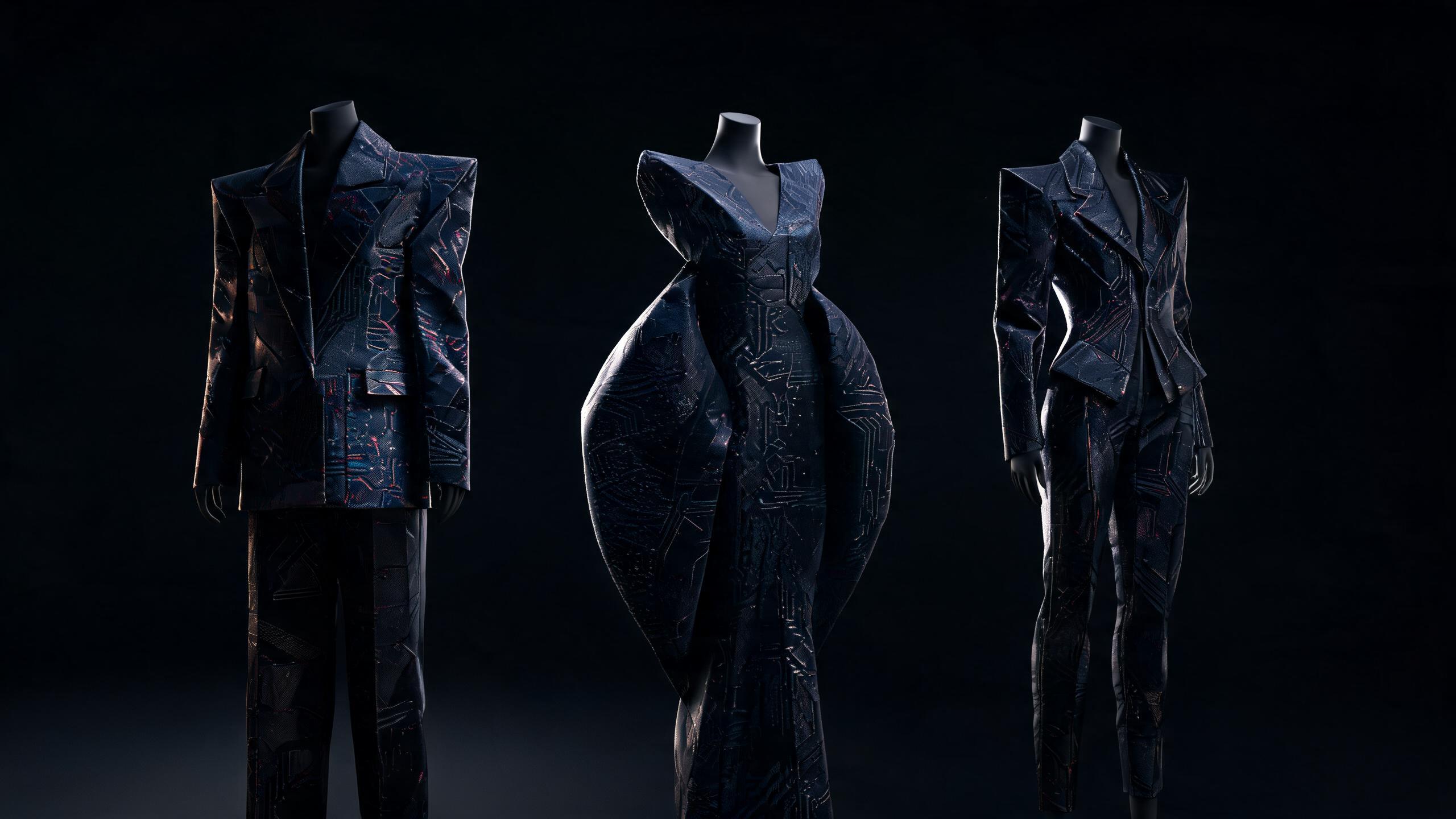
How AI Is Revolutionizing Personal Fashion
The Problem With Fashion Today
Most fashion apps recommend what's popular. Not what's yours.
How AI Style Models Work
A personal style model learns from every interaction — what you save, skip, wear, and return.
The Future
Fashion intelligence is not about trends. It's about identity.
How to Use AI for a More Sustainable, Personal Wardrobe
AI is revolutionizing personal fashion not only by improving recommendations, but also by helping people buy less, choose better, and get more value from the clothes they already own. A useful style system should support your real lifestyle, budget, climate, body preferences, and laundry habits—not simply encourage more shopping.
Start With a Digital Wardrobe Audit
Before adding new pieces, create a reliable picture of what you already own. Use a wardrobe app or an AI-powered fashion tool to catalog garments with photos, categories, colors, sizes, materials, brands, and how frequently each item is worn. If photographing every item feels overwhelming, begin with one category, such as shoes, jackets, or workwear.
After the initial upload, look for patterns:
- Which items do you wear repeatedly?
- Which colors and silhouettes are missing from outfits?
- Do you own several versions of the same garment?
- Are there pieces you avoid because of fit, care requirements, or discomfort?
- Which items are suitable for your work, social life, exercise routine, or local weather?
This audit turns vague shopping impulses into specific wardrobe gaps. For example, someone may believe they need more clothes for the office but discover that the real problem is a lack of comfortable shoes and layering pieces. Another person may own plenty of neutral basics but lack one formal outfit for weddings or interviews.
Ask AI to Solve a Specific Styling Problem
Generic prompts such as “What should I wear?” often produce generic results. Better outcomes come from providing constraints and context. Include the occasion, temperature, dress code, preferred colors, fit requirements, available garments, and any practical limitations.
For example:
Create three business-casual outfits using my navy trousers, white cotton shirt, gray cardigan, black loafers, and olive jacket. The temperature is 55°F, I will walk 20 minutes to work, and I prefer relaxed fits with no dry-clean-only items.
You can also ask for alternatives:
- “Replace the shoes with a comfortable option suitable for rain.”
- “Create a version that works for a petite frame without shortening the trousers.”
- “Build this outfit using only machine-washable items.”
- “Suggest one colorful accessory without adding a new purchase.”
- “Adapt this look for a job interview while keeping the same trousers.”
This approach makes AI a practical styling assistant rather than a digital salesperson. It also helps reveal combinations you may not have considered, increasing the number of outfits available from the same wardrobe.
Use AI to Evaluate Purchases Before Checkout
AI can be especially useful during the decision-making period before buying something new. Ask it to compare the proposed item with your existing wardrobe and identify at least three complete outfits. If it cannot produce realistic combinations, the garment may be attractive in isolation but unsuitable for your life.
A simple purchase checklist can include:
- Wardrobe compatibility: Can the item work with at least three pieces you already own?
- Use frequency: Do you expect to wear it at least 20 to 30 times?
- Fit flexibility: Does the cut accommodate normal movement and likely styling options?
- Care requirements: Will washing or maintenance be realistic?
- Material suitability: Is the fabric appropriate for your climate and comfort needs?
- Replacement value: Does it solve a genuine gap or duplicate something you own?
- Return conditions: Can you return it if the size, color, or fabric differs from expectations?
AI cannot verify fabric quality or guarantee that an online size will fit. Treat its suggestions as decision support, not a substitute for reading measurements, checking reviews, and inspecting a retailer’s return policy. When possible, provide exact garment measurements rather than relying only on labels such as medium or large.
Make Recommendations More Inclusive and Accurate
Personal fashion technology is only useful when it reflects the person using it. Improve recommendations by recording preferences that traditional style quizzes often overlook, including:
- Height and key measurements
- Preferred ease, rise, sleeve length, and hem length
- Sensory sensitivities to wool, seams, tags, or synthetic fabrics
- Mobility needs and range-of-motion requirements
- Religious or cultural dress preferences
- Climate, commute, and typical indoor temperatures
- Budget limits and preferred secondhand sources
- Brands or materials you avoid
A strong system should learn from corrections. If a recommendation repeatedly suggests cropped jackets but you prefer longer proportions, mark that preference clearly. If an item looks good but cannot accommodate sitting, cycling, nursing, or another daily activity, explain why. The more specific the feedback, the more useful future recommendations become.
Do not assume that an AI-generated image accurately represents how a garment will look on your body. Image tools may distort proportions, hide construction details, smooth skin, or create an unrealistic fit. Use generated visuals for inspiration, then rely on product measurements, customer photographs, and a physical try-on whenever possible.
Protect Personal Data While Using Fashion AI
A personal style model may process photographs, body measurements, purchase history, location, and inferred preferences. Before uploading sensitive information, review how the service stores and uses data. Look for clear controls covering account deletion, model training, image retention, and third-party sharing.
Good privacy practices include using the minimum information needed, avoiding identifiable background details in photos, removing metadata when appropriate, and choosing services that allow you to export or delete your wardrobe data. Be cautious with tools that request highly sensitive body images or claim to provide precise fit predictions without explaining their methods.
It is also worth separating style experimentation from purchasing pressure. Disable notifications that encourage constant browsing, set a monthly clothing budget, and use a waiting period—such as 48 hours—before completing nonessential purchases. This preserves the creative benefits of AI while reducing impulse buying.
Measure Success by Wear, Not Recommendations
The best measure of an AI styling tool is not how many products it displays. It is whether you wear more of your wardrobe, make fewer disappointing purchases, and feel more confident getting dressed.
Track a few practical indicators for 30 days:
- Number of new outfits created from existing items
- Cost per wear of recent purchases
- Items worn at least once each week
- Returns caused by poor fit or unsuitable styling
- Unused garments identified for repair, resale, donation, or tailoring
- Time spent choosing an outfit
These results reveal whether the technology is genuinely personal. An effective system may recommend no purchase at all. Sometimes its most valuable output is a new combination, a tailoring suggestion, a reminder to repair a favorite garment, or confirmation that the wardrobe already contains what you need. That is where AI is revolutionizing personal fashion: by turning style from trend chasing into a more informed, efficient, and individual practice.