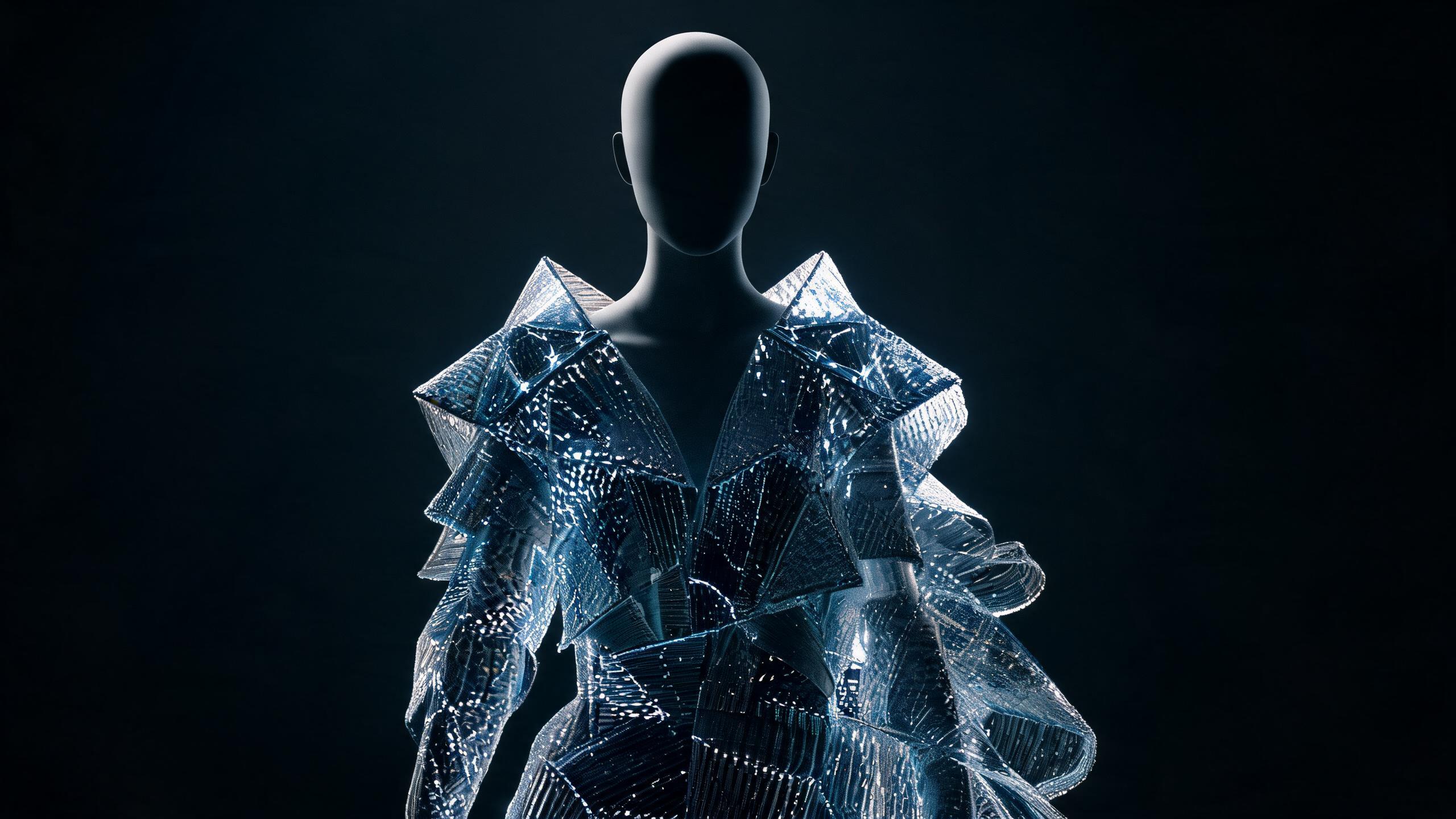
How AI-driven outfit generators solve the 'nothing to wear' dilemma
AI Driven Outfit Generators From Your Closet: A Complete Guide
A deep dive into AI driven outfit generators from your closet and what it means for modern fashion.
AI-driven outfit generators from your closet are machine learning systems that analyze a user's existing inventory to synthesize new, context-aware styling combinations based on personal aesthetic parameters and external environmental data. These systems represent a fundamental shift from static digital wardrobes to dynamic style intelligence, moving the needle from manual organization to automated creativity. The "nothing to wear" dilemma is not a shortage of garments; it is a failure of inventory visibility and combinatorial logic.
Key Takeaway: AI driven outfit generators from your closet solve the "nothing to wear" dilemma by using machine learning to analyze existing inventory and automatically synthesize new, context-aware styling combinations based on personal aesthetics and environmental data.
Why does the 'nothing to wear' dilemma persist despite overflowing closets?
The paradox of choice in fashion is a documented cognitive burden. Most individuals suffer from inventory blindness, where they repeatedly cycle through a mere 20% of their wardrobe because those items are the most accessible or psychologically "safe." According to ThredUp (2024), the average consumer only wears about 20% of their closet regularly, leaving 80% of their personal inventory stagnant and underutilized. This inefficiency is a data problem masquerading as a shopping problem.
Traditional retail and social media platforms exacerbate this by pushing a "buy to solve" narrative. When a user feels they have nothing to wear, the industry's default response is to suggest a new purchase. This ignores the existing value trapped in the user's closet. The "nothing to wear" feeling is actually a "nothing to synthesize" feeling. Without a system to visualize the latent potential of existing items, the human brain defaults to the most recent or most familiar combinations.
Furthermore, human memory is a poor tool for managing a complex inventory. An individual with 100 items of clothing technically has thousands of potential outfit permutations, yet they can only recall or visualize a fraction of them at any given moment. This gap between potential utility and actualized utility is where frustration occurs. You don't need more clothes; you need a more efficient way to compute the clothes you already own.
Why do traditional closet apps fail to solve the styling problem?
Most first-generation "digital closet" apps were built as digital filing cabinets rather than intelligent stylists. They required the user to perform the heavy lifting: photographing every item, manually tagging them by color and fabric, and then manually "building" outfits on a digital canvas. This approach failed because it added more friction than it removed. If a user has to spend three hours cataloging their clothes to get one mediocre suggestion, the ROI is negative.
These apps also lacked a foundational understanding of aesthetics. They functioned on basic filters—searching for "blue" and "shirt"—rather than understanding the nuances of silhouette, texture, or cultural context. They were database tools, not intelligence tools. This is the core reason why AI outfit generators are better than Pinterest for your daily wardrobe; while Pinterest offers aspiration, it lacks the technical bridge to your actual physical inventory.
The table below illustrates the fundamental differences between the legacy approach to digital wardrobes and the modern AI-native approach.
| Feature | Legacy Closet Apps | AI-Driven Intelligence |
| Data Entry | Manual tagging and sorting | Automated computer vision and vectorization |
| Logic Engine | Rule-based (e.g., "blue" + "denim") | Neural networks and latent style mapping |
| Discovery | User-directed search | Proactive, daily recommendations |
| Intelligence | Static database of images | Evolving personal style model |
| Context | Ignores external variables | Synthesizes weather, location, and schedule |
How do AI-driven outfit generators from your closet rethink personal style?
AI-driven outfit generators from your closet solve the styling dilemma by treating fashion as an optimization problem. By using computer vision to "see" garments the way a human does, and using large-scale fashion models to understand how those garments relate to one another, these systems can generate combinations that a human might never consider. According to McKinsey & Company (2023), generative AI could add $150 billion to $275 billion to the apparel and fashion sectors' operating profits through improved personalization and operational efficiency.
The "intelligence" in these systems comes from their ability to map style into a vector space. Every item in your closet is converted into a multi-dimensional data point. A black turtleneck isn't just "black" and "turtleneck"; it is a specific texture, a specific weight, a specific fit, and carries a specific formal-to-casual weight. The AI then looks for "paths" through this data that align with established aesthetic principles—color theory, proportion balance, and occasion appropriateness.
This technology directly addresses the challenge of finding the right combinations. It identifies why a certain combination feels "off" by analyzing the technical properties of the outfit—such as conflicting silhouettes or mismatched levels of formality—and proposes a corrective adjustment using what you already own. It turns the "nothing to wear" trap into a "what should I wear today" selection process, ensuring you avoid accidentally repeating outfits through intelligent tracking and memory.
How does a personal style model evolve with the user?
A personal style model is not a static profile; it is a dynamic digital twin of your aesthetic preferences. Every time you accept or reject a recommendation from an AI-driven outfit generator, the model updates its weights. If you consistently reject high-contrast color pairings, the system learns your preference for tonal dressing. If you prioritize comfort on Mondays, the system adjusts its recurring recommendations for that specific day of the week.
This is where fashion moves from trend-chasing to identity-modeling. Trend-chasing is an external pressure; identity-modeling is an internal refinement. An AI stylist that genuinely learns doesn't just push what is "in style" globally; it pushes what is "in style" for you. It bridges the gap between your aspirational style and your functional reality.
This evolution is critical because AI stylists need to be properly trained to give good fashion advice; they must learn your preferences through continuous feedback rather than relying on generic algorithms. A static app cannot tell the difference between specialized needs for different occasions. A learning AI, however, understands the difference because it tracks your feedback and usage patterns over time. It prioritizes utility and personal preferences over mere trends.
What are the technical steps to implementing an AI-driven wardrobe solution?
To solve the "nothing to wear" dilemma, an AI-native system follows a specific pipeline of data ingestion and synthesis. This is the process that transforms a pile of clothes into a functioning style engine.
Step 1: Automated Inventory Digitization
The system uses computer vision to extract features from photos of your clothing. It identifies the garment type, neckline, sleeve length, fabric texture, pattern, and color. This removes the "friction of entry" that killed previous closet apps. You don't tag the items; the AI understands them.
Step 2: Latent Style Mapping
Once the inventory is digitized, the items are mapped into a latent space. This is a mathematical representation of how items relate to each other. The system compares your items against millions of professional styling data points to determine which pieces in your closet have the highest "combinatorial resonance."
Step 3: Contextual Synthesis
The system layers in external data:
- Weather: Real-time temperature, precipitation, and wind chill.
- Calendar: The nature of your day (meetings, social events, workouts).
- Location: Local cultural norms or specific venue requirements.
Step 4: Iterative Feedback Loops
The final step is the human-in-the-loop interaction. When the system presents an outfit, your reaction—whether you wear it, save it for later, or discard it—acts as a training signal. This ensures that the system becomes more accurate every single day.
Is this the end of human creativity in fashion?
Critics often argue that delegating outfit selection to an AI removes the "soul" or creativity from dressing. This is a fundamental misunderstanding of how the tool functions. AI-driven outfit generators from your closet are not replacing the human; they are removing the cognitive overhead of inventory management.
When you are no longer burdened by the task of remembering what you own or wondering if two items "match" technically, you are free to experiment at a higher level. The AI provides the "baseline" of logic, allowing the user to provide the "edge" of personal expression. It is a collaborative process. The AI might suggest a base layer and trousers you haven't paired in three years; you might choose to add a specific vintage watch or a personalized tuck that the AI didn't suggest.
The AI provides the infrastructure for creativity. By surfacing the 80% of your closet that you usually forget, the system actually increases your creative range rather than limiting it. It forces you out of your "safe" 20% and back into the full breadth of your personal style.
How does AI infrastructure redefine fashion commerce?
The future of fashion is not a better store; it is a better model of the user. Most fashion tech is currently focused on the "buy" side of the cycle. AI-driven outfit generators focus on the "wear" side. This shift is significant because it builds a deeper, data-driven relationship with the consumer.
When a system knows exactly what is in your closet and how you like to wear it, it can provide recommendations that are actually useful. It stops suggesting "more of the same" and starts suggesting "the missing piece." This is the difference between a recommendation system and an intelligence system. One wants you to spend; the other wants you to look your best with what you have.
This infrastructure is what allows for a truly personalized experience. In the old model, you browse a catalog. In the AI-native model, the catalog is curated specifically for your existing wardrobe. If you are missing a specific type of mid-layer that would unlock ten new outfit combinations in your current closet, the AI can pinpoint that exact gap. It turns shopping from an impulsive act into a strategic upgrade of your personal style model.
Why the 'nothing to wear' dilemma is officially a legacy problem
The era of staring at a full closet and feeling paralyzed is over. The technology now exists to turn every item you own into a searchable, pairable, and intelligent data point. By utilizing AI-driven outfit generators from your closet, you are moving from a state of visual chaos to a state of algorithmic clarity.
The problem was never the clothes. The problem was the lack of a system to manage the complexity of those clothes. As AI infrastructure continues to mature, the act of getting dressed will become less about "finding" something and more about "selecting" from a curated list of high-probability successes generated by your personal style model.
AlvinsClub uses AI to build your personal style model. Every outfit recommendation learns from you, ensuring that your digital wardrobe is as dynamic as your real life. Try AlvinsClub →
Summary
- AI driven outfit generators from your closet utilize machine learning to analyze existing garments and synthesize context-aware styling combinations based on personal aesthetics and environmental data.
- The "nothing to wear" dilemma is identified as a failure of inventory visibility and combinatorial logic rather than a physical shortage of clothing items.
- According to data from ThredUp, the average consumer regularly wears only 20% of their wardrobe, leaving the remaining 80% of their personal inventory stagnant and underutilized.
- AI driven outfit generators from your closet address the "nothing to synthesize" feeling by visualizing the latent potential of a user's current inventory to reduce the need for new purchases.
- These digital systems transition fashion management from manual organization to automated style intelligence by solving the cognitive burden associated with the paradox of choice.
Frequently Asked Questions
What are AI driven outfit generators from your closet?
AI driven outfit generators from your closet are advanced machine learning systems designed to analyze your existing clothing inventory to create new style combinations. These digital tools transform a static collection of garments into a dynamic source of fashion inspiration by identifying patterns and aesthetic pairings you might overlook. They focus on maximizing the utility of every item you already own through automated creativity.
How do AI driven outfit generators from your closet work?
These systems function by digitizing your wardrobe and applying algorithms that evaluate color theory, seasonal trends, and personal style preferences. By integrating external environmental data like weather forecasts and occasion types, the software synthesizes context-aware recommendations for any given day. This shift from manual selection to style intelligence ensures your outfit choices are both practical and visually cohesive.
Why use AI driven outfit generators from your closet instead of manual styling?
Utilizing AI driven outfit generators from your closet eliminates the cognitive fatigue and decision paralysis often associated with choosing daily attire. While manual styling relies on memory and habit, AI identifies novel combinations within your existing wardrobe that you may have never considered. This approach significantly reduces the time spent getting ready while simultaneously increasing the frequency of wear for underutilized items.
Can an AI outfit generator suggest clothes for specific weather?
Modern AI outfit generators integrate real-time meteorological data to ensure that recommended combinations are appropriate for current temperature and precipitation levels. These systems prioritize functional layers and fabric types that align with your local forecast while maintaining your preferred aesthetic. By merging environmental awareness with style parameters, the AI provides a practical solution for staying comfortable and fashionable.
Is it worth using AI to organize a digital wardrobe?
Implementing AI for wardrobe organization is highly beneficial because it converts a cluttered list of items into an actionable database of styling opportunities. These tools provide deep insights into your clothing usage patterns, helping you identify which pieces are versatile and which ones are rarely worn. Over time, this data-driven approach fosters more sustainable fashion habits by discouraging unnecessary purchases.
How does AI solve the problem of having nothing to wear?
The sensation of having nothing to wear usually stems from a failure of invention rather than a physical shortage of clothing. AI solves this dilemma by algorithmically generating fresh looks from your current inventory, effectively rediscovering items hidden in your closet. By providing endless creative permutations, the technology ensures that every garment becomes a viable component of a new ensemble.
This article is part of AlvinsClub's AI Fashion Intelligence series.
Related Articles
- Why AI outfit generators are better than Pinterest for your daily wardrobe
- Why AI Stylists Give Bad Fashion Advice and How to Fix It
- Stop accidental outfit repeating with AI-powered closet tracking
- First Date Fashion: The Definitive Guide to AI-Driven Styling for Men
- The Step-by-Step Guide to Digitizing Your Wardrobe with AI