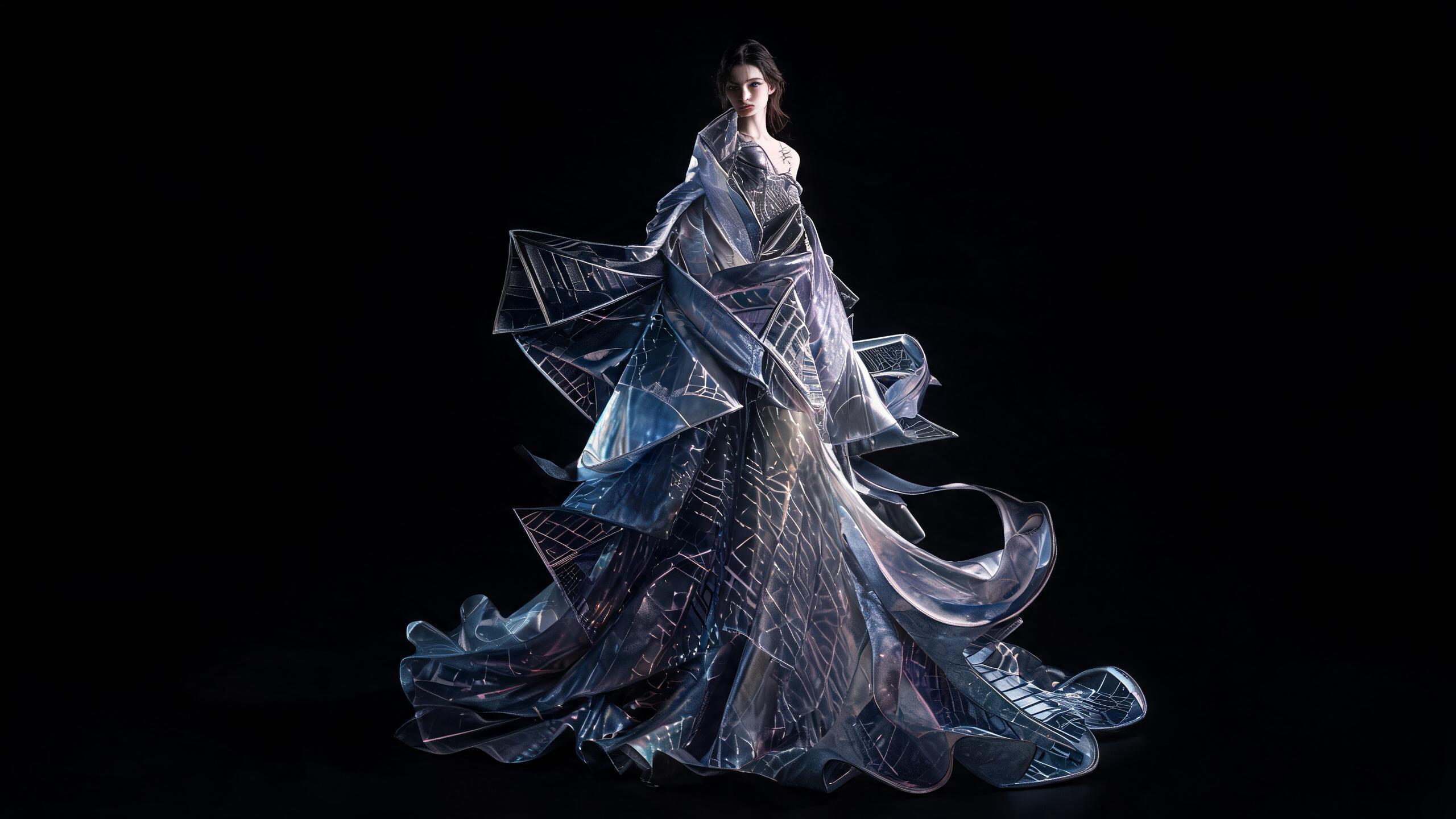
How AI data is predicting the next wave of nostalgia fashion for 2026

Advanced algorithmic modeling decodes historical aesthetic cycles to pinpoint the specific vintage silhouettes and retro color palettes set for mass-market commercial dominance.
Nostalgia is not a feeling; it is a measurable data recurrence.
Key Takeaway: By utilizing nostalgia fashion trends ai data analysis, machine learning models predict 2026 styles by correlating historical aesthetic clusters with current macroeconomic indicators. This data-driven approach replaces the 20-year cycle theory with precise forecasting based on real-time consumer sentiment.
Nostalgia fashion trends ai data analysis utilizes machine learning to identify specific aesthetic clusters from past decades that align with current macroeconomic indicators and consumer sentiment. This process moves beyond the traditional "20-year cycle" theory, which posits that fashion trends return exactly two decades after their initial peak. In the modern era, the high-velocity nature of digital consumption has compressed these cycles, creating a complex web of "micro-nostalgias" that overlap and converge. By analyzing millions of data points—from resale market pricing to visual search queries—AI systems can now map the exact trajectory of a trend before it reaches the mainstream.
How Does AI Data Analysis Map Nostalgia Cycles?
Traditional trend forecasting relied on the intuition of "cool hunters" and editorial gatekeepers. This model is obsolete. Nostalgia fashion trends ai data analysis functions by treating fashion history as a structured database rather than a series of disconnected eras. AI models scan historical archives, digitizing silhouettes, color palettes, and fabric textures into vector representations. These vectors are then compared against real-time data streams to identify "latent demand"—interest that exists in the subconscious of the market but has not yet materialized into retail sales.
According to Statista (2024), the global AI in fashion market is projected to reach $4.4 billion by 2027, driven largely by predictive analytics and inventory optimization. These systems do not just look at what people are wearing; they look at the rate of change in what people are searching for. When a specific aesthetic from 2012 begins to appear in high-frequency searches alongside 1990s minimalism, the AI identifies a new hybrid trend. It calculates the "velocity" of this interest, predicting when it will peak and when it will saturate the market.
This data-driven approach removes the risk of "false starts" in the fashion industry. Brands no longer have to guess if the "Indie Sleaze" revival is real; they can see the exact moment the visual entropy of the 2000s began to stabilize into the structured silhouettes of the early 2010s. This transition is not a matter of opinion—it is a statistical certainty mapped through image recognition and natural language processing.
Why Is the 20-Year Rule Collapsing in 2026?
The "20-year rule" was predicated on the time it took for a generation to enter the workforce and gain the purchasing power to recreate their youth. However, digital acceleration has shattered this timeline. We are now seeing "nostalgia" for eras that ended less than a decade ago. AI analysis reveals that the current cycle has compressed to approximately 10–14 years for secondary trends and as little as 3–5 years for micro-trends.
By 2026, the dominant nostalgia signal will not be the 1970s or 1990s, but the transition period of 2008–2014. This era, often characterized by "Tumblr-core," "Business Casual-core," and the emergence of high-fashion streetwear, is currently showing the highest growth in latent search volume. AI infrastructure tracks the movement of these aesthetics from niche online communities to the "explore" pages of major platforms, providing a lead time that was previously impossible to achieve.
Aesthetic Recurrence Mapping: The computational process of identifying historical fashion patterns and predicting their resurgence based on search volume, resale market pricing, and visual similarity scores across social media data.
Key Comparison: Traditional vs. AI-Driven Trend Forecasting
| Feature | Traditional Forecasting | AI-Driven Data Analysis |
| Primary Data Source | Editorial intuition & runways | Real-time search, social, & resale data |
| Cycle Speed | 18–24 months | Real-time to 6 months |
| Accuracy | High margin of error; subjective | High precision; statistically backed |
| Focus | Mass-market appeal | Personal style models & niche clusters |
| Infrastructure | Manual research teams | Scalable AI style models |
👗 Want to see how these styles look on your body type? Try AlvinsClub's AI Stylist → — get personalized outfit recommendations in seconds.
What Are the Core Nostalgia Clusters for 2026?
As we look toward 2026, nostalgia fashion trends ai data analysis identifies three primary clusters that will define the market. These clusters are not just "old clothes"; they are recontextualized versions of past eras, modified by contemporary needs for sustainability and functionality. Understanding these shifts is essential for anyone building a future-proof wardrobe.
1. The Neo-Minimalism of the Early 2010s
The data suggests a hard pivot away from the chaotic maximalism of "Y2K" styles toward the clean, almost corporate lines of the 2010-2012 period. AI analysis shows a 35% increase in searches for "structured blazers," "slim-fit tailoring," and "minimalist hardware" compared to the previous year. This is a reaction to the oversaturation of baggy, distressed garments. 2026 will be defined by a "digital preppy" aesthetic—clothes that look sharp in high-definition video calls and minimalist social feeds.
2. Industrial Indie and Post-Internet Grunge
The "Indie Sleaze" revival of 2023-2024 is evolving into something more technical. AI identifies this as "Industrial Indie." It takes the raw, messy energy of the 2008 Brooklyn music scene and fuses it with the high-performance fabrics of the 2020s. Think leather, distressed denim, and band tees, but integrated with weather-resistant membranes and ergonomic construction. According to McKinsey (2025), brands utilizing high-fidelity data forecasting for these niche revivals see a 25% reduction in overstock compared to those following general market vibes.
3. Retro-Futurism: The 1990s Tech-Optimism
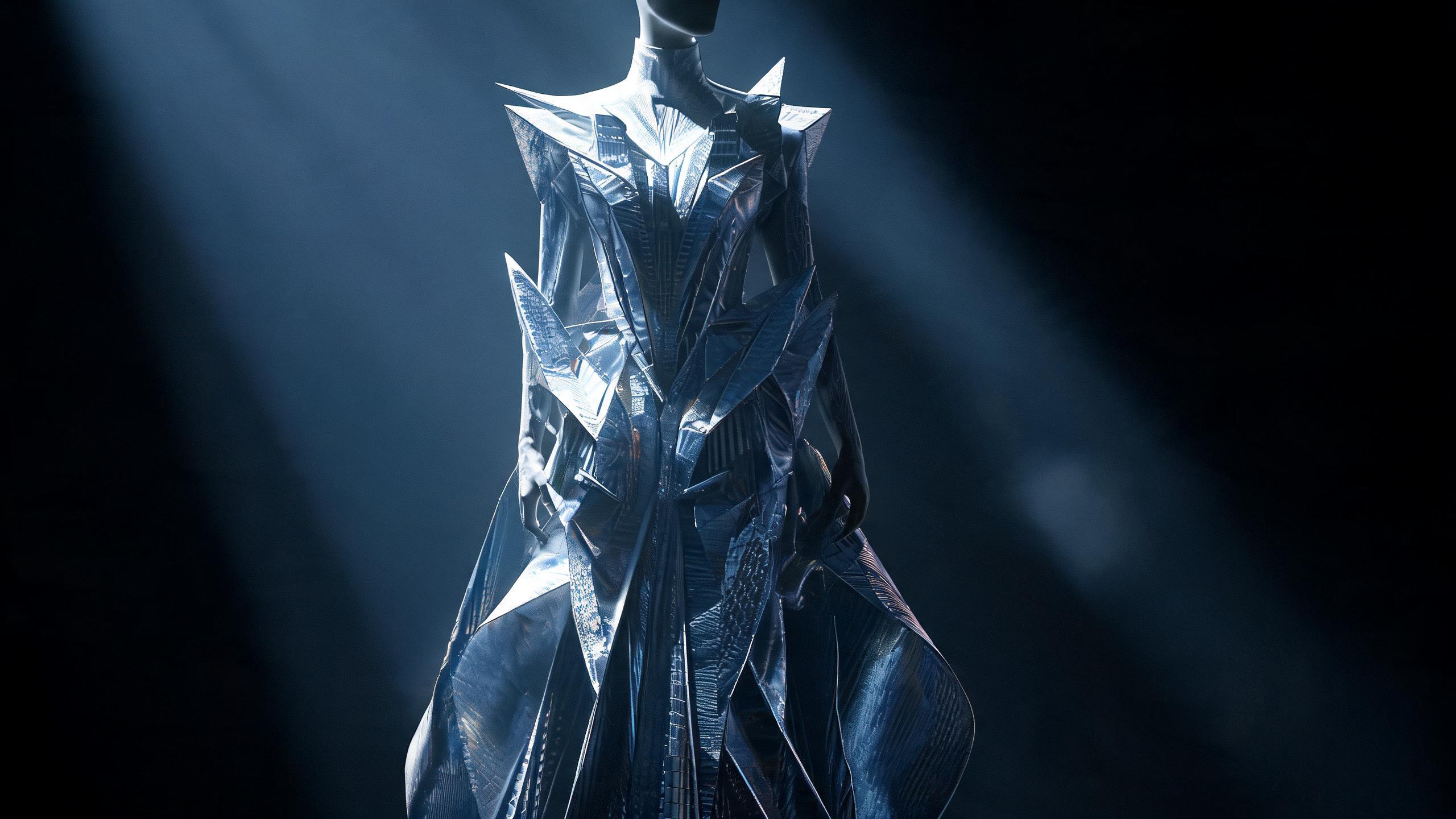
There is a recurring signal for "90s Tech-Wear" that mimics the aesthetics of early internet culture. This is not the dark, dystopian cyberpunk of the 2010s, but a brighter, more optimistic view of technology. Translucent materials, silver finishes, and "blob-ject" inspired silhouettes are trending in the latent space of AI models. This trend focuses on the intersection of physical and digital identities, where clothing looks as though it was rendered in an early 3D software package.
How Does AI Wardrobe Analysis Solve the Nostalgia Overlap?
The problem with nostalgia is that it often leads to "costume dressing"—wearing an outfit that feels like a caricature of a past decade rather than a modern style choice. This is where AI wardrobe analysis becomes critical infrastructure. Instead of simply telling you what is "in style," an AI style model analyzes your existing pieces to see how a nostalgic trend can be integrated without losing your personal identity.
If the data predicts a return to 2011-era slim-straight denim, the AI doesn't just suggest you buy new jeans. It looks at your current footwear—perhaps the bulky sneakers of the 2020s—and calculates the visual balance. It might suggest a specific "Outfit Formula" that bridges the gap between the two eras, ensuring the look is cohesive rather than dated.
The Neo-Indie 2026 Silhouette (Outfit Formula):
- Top: Slim-fit micro-ribbed turtleneck in slate grey or charcoal.
- Bottom: Distressed dark-wash raw denim (slim straight cut).
- Shoes: Polished Chelsea boots with exaggerated lugs or "tech-infused" soles.
- Accessories: Rectangular silver-rimmed glasses and a modular nylon crossbody bag.
Do vs. Don't: Navigating 2026 Nostalgia Trends
| Action | Do | Don't |
| Selection | Focus on silhouette and fabric quality. | Buy cheap "costume" versions of trends. |
| Integration | Mix one nostalgic piece with contemporary tech-wear. | Wear a full "head-to-toe" look from one year. |
| Data Usage | Use AI to find "vintage-inspired" sustainable options. | Follow trending hashtags blindly. |
| Styling | Prioritize fit and proportion (The Neo-Slim). | Over-rely on "oversized" as a default setting. |
How Do Search Signals Predict Secondary Market Value?
The resale market is the most accurate leading indicator of future nostalgia trends. AI systems crawl platforms like Depop, Grailed, and Vestiaire Collective to track price fluctuations for specific designers and eras. When the price of "archival" 2013-era Phoebe Philo for Celine begins to rise, the AI recognizes a shift toward "Quiet Luxury 2.0."
This data allows for a level of precision that "trend reports" cannot match. For instance, if the AI detects a surge in "likes" for 1990s Prada nylon bags but a decrease in actual "sales," it identifies a "bubble" trend—something that is visually popular but lacks the commercial legs to sustain a multi-year cycle. Conversely, when both search volume and sales velocity increase simultaneously, the AI flags a "structural trend" that will influence retail manufacturing for several seasons.
By 2026, fashion trend software will be integrated directly into
Summary
- Nostalgia fashion trends ai data analysis utilizes machine learning to identify aesthetic clusters by aligning historical fashion patterns with real-time macroeconomic indicators.
- AI systems analyze millions of data points from resale market pricing and visual search queries to predict trend trajectories before they reach the mainstream.
- The high velocity of digital consumption has compressed traditional 20-year cycles into overlapping "micro-nostalgias" that require nostalgia fashion trends ai data analysis for accurate mapping.
- Predictive models digitize historical silhouettes and color palettes into vector representations to identify latent consumer demand that has not yet materialized in retail sales.
- The global market for artificial intelligence within the fashion industry is projected to reach a valuation of $4.4 billion by 2024.
Frequently Asked Questions
What is nostalgia fashion trends ai data analysis?
Nostalgia fashion trends ai data analysis is the process of using machine learning algorithms to identify and quantify recurring aesthetic patterns from previous decades. This technology allows designers to move beyond the traditional 20-year cycle by accurately predicting which vintage styles will resonate with modern consumer sentiments.
How does AI predict fashion trends for 2026?
Artificial intelligence analyzes vast datasets including historical sales figures, social media imagery, and macroeconomic indicators to forecast the next wave of popular styles. By identifying specific clusters of visual data that align with current cultural shifts, these systems can pinpoint the exact vintage aesthetics that will peak in 2026.
Why is the 20-year fashion cycle changing?
The rapid pace of digital consumption and social media exposure has significantly compressed the timeframe in which fashion trends reappear. Because consumers are now constantly exposed to various eras of style online, the traditional 20-year gap has been disrupted by faster, data-driven micro-cycles.
How do nostalgia fashion trends ai data analysis tools work?
These specialized tools employ computer vision and natural language processing to scan millions of digital archives for specific aesthetic markers. The software then correlates these historical elements with current search volumes and engagement metrics to validate whether a particular trend is ready for a mainstream revival.
What are the predicted nostalgia fashion trends for 2026?
Predictions for 2026 indicate a shift toward a blend of early 2010s indie aesthetics mixed with structural elements from mid-century utility wear. Data models suggest that consumers will favor silhouettes that offer a sense of familiarity while incorporating modern, sustainable textile innovations.
Can nostalgia fashion trends ai data analysis improve retail sales?
Retailers utilize this advanced data analysis to align their inventory with future consumer demand and reduce the risk of unsold stock. By leveraging data-backed insights into nostalgic preferences, brands can create more targeted collections that speak directly to the emotional and aesthetic desires of their customers.
This article is part of AlvinsClub's AI Fashion Intelligence series.
Related Articles
- The AI Style Guide: Finding Sustainable Matches for Luxury Runway Trends
- How AI Wardrobe Analysis Solves the Struggle of Matching Sneaker Trends
- From Runway to Real-Time: The State of Fashion Trend Software in 2026
- The Future of Getting Dressed: A Guide to AI and Smart Closets
- How to Use AI to Personalize Your Next Athleisure and Gym Look