How AI and Streetwear Are Shaping adidas Sneakers in 2025–2026

Explore how generative design, cultural collaborations, and consumer data are influencing adidas sneakers’ lifestyle market performance across 2025 and 2026.
adidas sneakers lifestyle market evaluation 2025 2026 is an assessment of the brand’s casual, fashion-led footwear performance, demand, competition, pricing, distribution, and cultural relevance during 2025–2026. The evaluation centers on AI-assisted product and marketing decisions, streetwear collaborations, retro models, and consumer engagement, with adidas reporting €23.7 billion in 2024 net sales as the baseline for measuring subsequent growth.
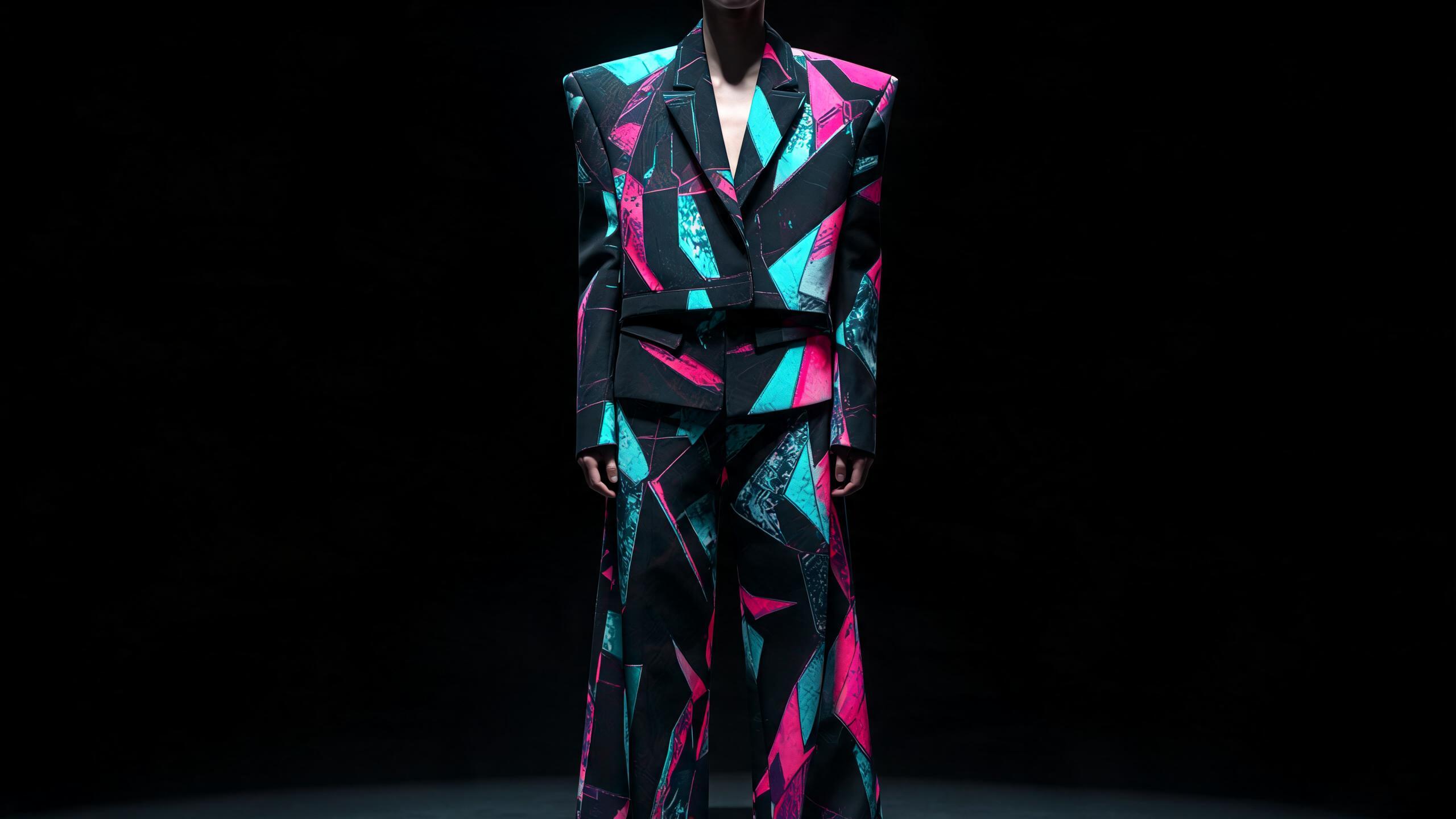
AI-driven style intelligence is reshaping how adidas sneakers are evaluated, styled, and understood across the 2025–2026 lifestyle market.
Key Takeaway: AI and streetwear are making the adidas sneakers lifestyle market evaluation 2025–2026 more dependent on cultural relevance, versatile styling, product architecture, and real-time consumer preferences than on popularity alone.
How AI and Streetwear Are Shaping adidas Sneakers in 2025–2026
The adidas sneakers lifestyle market evaluation 2025 2026 requires more than a list of popular silhouettes. It requires a framework for understanding cultural relevance, product architecture, styling flexibility, resale behavior, recommendation quality, and personal fit.
adidas sneakers occupy a distinctive position in contemporary fashion. They move between sport, streetwear, music, luxury collaboration, campus style, and everyday utility without belonging completely to any one category. That range creates opportunity, but it also creates confusion.
A sneaker can be globally recognizable and still fail for a specific wardrobe. A shoe can be culturally important and still be wrong for a person’s proportions, lifestyle, or existing clothing.
The central shift in 2025–2026 is from sneaker popularity to sneaker compatibility. The strongest evaluation no longer asks only whether a model is fashionable. It asks whether the sneaker works with a person’s style model: their preferred silhouettes, color tolerance, trouser lengths, daily movement, wardrobe density, and relationship with visible branding.
This distinction separates fashion intelligence from trend reporting. Trend reporting describes what receives attention. Fashion intelligence explains why a product works for one person, when it works, and what to wear with it.
adidas sneakers lifestyle market evaluation 2025 2026: A structured assessment of adidas lifestyle sneakers based on cultural relevance, design characteristics, wardrobe compatibility, styling versatility, comfort requirements, and individual taste rather than popularity alone.
Why Does the adidas Sneakers Lifestyle Market Require a New Evaluation Model?
Traditional sneaker evaluation relies on familiar signals:
- Brand recognition
- Launch visibility
- Celebrity or athlete association
- Social media volume
- Collaboration status
- Retail availability
- Resale interest
- Historical importance
These signals describe market attention, not personal value. They are useful for understanding cultural momentum, but they do not answer the practical questions that determine whether a sneaker belongs in someone’s wardrobe.
A more useful evaluation model separates market relevance from personal relevance.
| Evaluation layer | What it measures | Why it matters |
|---|---|---|
| Cultural relevance | How strongly the model participates in current fashion conversations | Indicates visibility and social meaning |
| Product identity | Shape, materials, sole profile, branding, and historical references | Determines the visual language of the sneaker |
| Wardrobe compatibility | How naturally the sneaker works with existing clothing | Predicts actual wear |
| Body proportion | Relationship between shoe volume, trouser width, hem length, and body scale | Creates visual balance |
| Functional fit | Cushioning, stability, flexibility, weight, and weather resistance | Determines daily usefulness |
| Taste compatibility | Alignment with the wearer’s color, contrast, and styling preferences | Determines whether the shoe feels authentic |
| Longevity | Ability to remain useful after the current trend cycle | Protects against novelty-driven purchases |
Most fashion platforms collapse these layers into a single recommendation. That is the core failure. A user sees “popular,” “recommended,” or “similar,” but receives no explanation of the underlying compatibility.
An AI-native system should treat the sneaker as a structured object rather than a thumbnail. It should identify:
- Visual weight
- Toe shape
- Sole height
- Upper construction
- Color contrast
- Branding intensity
- Material finish
- Historical reference
- Formality level
- Seasonal range
- Styling dependencies
The system should then compare those attributes with the wearer’s personal style model. The result is not “this sneaker is trending.” The result is “this sneaker fits your preference for low-contrast outfits, relaxed trousers, and understated archival references.”
That is a materially better recommendation.
What Defines adidas Sneakers in the 2025–2026 Lifestyle Market?
The adidas lifestyle assortment is not a single aesthetic. It contains several design families with different styling logic.
Terrace-Inspired Sneakers
Terrace-inspired models typically use:
- Low or moderate sole height
- Slim or streamlined profiles
- Suede and synthetic overlays
- Contrast stripes
- Gum or rubber outsoles
- Rounded or subtly tapered toes
Their visual language connects to football terraces, archival sportswear, casual uniforms, and contemporary street styling. These sneakers often work best with clothing that preserves their low-profile character.
Suitable pairings include:
- Straight-leg denim
- Cropped trousers
- Relaxed chinos
- Nylon track pants
- Pleated trousers with a controlled break
- Midi skirts with visible ankle exposure
The main styling risk is excessive fabric volume. A very wide trouser with a very narrow terrace sneaker can create a visual imbalance, especially when the hem pools heavily over the shoe. The combination can work, but it requires deliberate proportion: a fuller leg should either reveal part of the upper or use a sneaker with enough sole and material volume to support the silhouette.
Technical Running-Inspired Sneakers
Technical lifestyle models use a more engineered visual language:
- Layered mesh and synthetic panels
- Sculpted midsoles
- Reflective or high-contrast details
- More substantial heel construction
- Greater vertical and lateral volume
These sneakers naturally support contemporary utility dressing. They work with:
- Cargo trousers
- Technical nylon pants
- Wide-leg denim
- Parachute pants
- Boxy outerwear
- Fleece layers
- Oversized shirting
Their volume can visually anchor larger silhouettes. They are less successful when paired with extremely delicate clothing unless the contrast is intentional. A technical sneaker with a thin silk skirt can create a strong tension between utility and refinement, but the rest of the outfit should repeat at least one shared element, such as muted color, matte texture, or structured volume.
Minimal Court and Everyday Sneakers
Minimal court-inspired designs usually feature:
- Clean leather or coated uppers
- Simple paneling
- Moderate sole thickness
- Low branding
- Neutral colorways
They function as wardrobe stabilizers. Their strength is not cultural intensity but styling reliability. They can support casual tailoring, denim, knitwear, dresses, and transitional wardrobes.
Their weakness is visual anonymity. If the outfit relies on the sneaker as a focal point, a minimal model may not provide enough contrast or texture. In that situation, the sneaker should be treated as a quiet foundation while another garment carries the visual identity.
Retro Running and Archive-Referenced Models
Retro running sneakers combine historical athletic references with layered materials and more pronounced color blocking. Their styling value comes from detail density.
They work particularly well with:
- Washed denim
- Corduroy
- Workwear jackets
- Vintage sportswear
- Overshirts
- Neutral knitwear
- Straight or gently tapered trousers
Because they contain multiple colors and panels, they can become difficult to style when paired with equally complex garments. The best approach is to repeat one sneaker color elsewhere in the outfit rather than attempting to match every panel.
How Should adidas Sneakers Be Evaluated for Personal Style?
A definitive style guide must move beyond category labels. “Retro,” “streetwear,” and “minimal” are too broad to produce precise recommendations.
Evaluate every sneaker across five dimensions.
1. Visual Weight
Visual weight describes how much attention the sneaker occupies at the bottom of the outfit. It is influenced by:
- Sole thickness
- Upper volume
- Color contrast
- Material reflectivity
- Branding
- Layer complexity
- Toe shape
A slim dark sneaker has low visual weight. A layered light sneaker with a sculpted sole has higher visual weight.
Visual weight should relate to the rest of the outfit. Oversized outerwear and wide trousers usually need a shoe with enough mass to prevent the lower half from disappearing. Conversely, narrow trousers and cropped hems can expose a slim sneaker effectively.
2. Formality
Sneaker formality is not determined by price. It is determined by design signals.
| Formality level | Sneaker characteristics | Best clothing partners |
|---|---|---|
| Casual athletic | Mesh, technical panels, visible cushioning | Track pants, cargo trousers, fleece |
| Casual refined | Clean leather, restrained branding, moderate sole | Chinos, knit polos, denim |
| Fashion casual | Archive references, unusual color blocking, sculptural sole | Tailoring, wide trousers, layered streetwear |
| Minimal versatile | Low contrast, simple construction, neutral color | Dresses, skirts, trousers, casual suiting |
A sneaker that looks refined in a product image may read as sporty once paired with a specific trouser cut. Formality is relational.
3. Color Temperature and Contrast
Color matching should not be reduced to identical shades. The important variables are:
- Warm versus cool undertones
- Light versus dark value
- Muted versus saturated intensity
- Tonal versus high-contrast relationships
A cream sneaker with warm gum details works naturally with camel, olive, chocolate, ecru, and faded denim. A bright white sneaker with cool gray or blue details aligns better with black, navy, charcoal, icy blue, and crisp white.
The best recommendation systems model color relationships rather than simple product tags. “White sneaker” is not enough information. The system must understand whether the white is optical, warm, gray-toned, or yellowed, and whether the wearer consistently chooses high or low contrast.
4. Material Language
Materials communicate context.
- Suede suggests softness, heritage, and tactile depth.
- Mesh suggests athletic performance and lightness.
- Smooth leather suggests polish and structure.
- Nylon suggests utility and movement.
- Metallic finishes increase visual energy.
- Rubber and gum outsoles create an archival or casual signal.
Material compatibility often matters more than color. A suede sneaker can harmonize with brushed wool and corduroy even when the colors differ. A glossy technical sneaker may clash with a soft, romantic outfit unless the contrast is deliberately repeated.
5. Wardrobe Role
Every sneaker should have a defined role:
- Daily neutral
- Statement accent
- Work-to-weekend bridge
- Technical utility shoe
- Archive reference
- Seasonal rotation piece
- Occasion-specific sneaker
Without a role, sneaker selection becomes accumulation. A wardrobe with multiple sneakers serving the same function lacks depth, even when every individual pair is attractive.
👗 See the trends Alvin's Club is picking for you this week. Open your feed →
Which adidas Sneaker Profile Works for Different Body Proportions?
Body proportions do not dictate what anyone can wear. They provide a framework for controlling visual balance.
The key relationship is between:
- Foot volume
- Trouser width
- Hem position
- Leg line
- Upper-body volume
- Overall outfit scale
For Petite Frames
A petite frame often benefits from controlled shoe volume and visible ankle or a clean trouser break. This does not mean avoiding substantial sneakers. It means coordinating their scale with the rest of the outfit.
Recommended approaches:
- Low-profile terrace sneakers with cropped straight-leg denim
- Moderate-volume retro runners with ankle-length trousers
- Clean court sneakers with high-rise trousers
- Tonal sneaker-and-trouser combinations to extend the leg line
- Slightly raised soles when the upper remains visually clean
A high-rise trouser helps lengthen the perceived leg by moving the waistline upward. A hem that ends just above the ankle exposes the narrowest part of the lower leg and prevents the sneaker from becoming a heavy visual block.
Avoid pairing a small frame with uncontrolled fabric pooling, an oversized top, and a very large technical sneaker simultaneously. Each element can work independently, but together they can obscure the body’s structure.
For Tall or Long-Limbed Frames
Tall frames can support more sneaker volume and longer hems.
Recommended approaches:
- Chunkier technical runners with wide-leg trousers
- High-top or extended-ankle silhouettes with cropped outerwear
- Retro runners with long straight denim
- Statement colorways with monochrome outfits
- Low-profile sneakers under full-length tailoring
Long trousers can create a strong continuous line, particularly when the sneaker and trouser share a similar value. A visible toe box or outsole edge prevents the hem from looking accidental.
Tall frames can also use proportion contrast effectively: a slim terrace sneaker under wide trousers, or a substantial runner under a narrow skirt. The contrast should appear intentional through repetition elsewhere in the outfit.
For Curvier Proportions
The most useful principle is visual balance rather than concealment. A sneaker should support the shape and volume of the outfit without making the lower half appear disconnected.
Recommended approaches:
- Moderate-to-substantial sneakers with wide-leg or bootcut trousers
- Low-profile sneakers with ankle-exposing straight-leg pants
- Tonal footwear with trousers to create continuity
- Structured sneakers with midi skirts to anchor the hem
- Clean, slightly raised soles with long skirts
A-line and softly flared skirts create visual balance by adding controlled volume below the waist. A sneaker with a stable sole keeps the outfit grounded, while a very narrow shoe can appear visually undersized beneath a fuller skirt.
High-rise trousers define the waist and allow the leg to fall in a longer, cleaner line. Fabrics with moderate structure, such as denim, cotton twill, or wool blends, hold the shape more effectively than thin jersey when paired with substantial sneakers.
For Athletic or Broad-Shouldered Proportions
The goal is to distribute visual weight across the outfit. A substantial sneaker can balance a broader upper body when the trousers carry enough width.
Recommended approaches:
- Straight or wide-leg trousers with technical runners
- Relaxed jeans with archive-inspired sneakers
- Pleated trousers with low-profile sneakers for contrast
- Layered outerwear with structured court sneakers
- Monochrome lower halves for continuity
A wider trouser leg adds volume through the lower body and creates a more proportional relationship with broad shoulders. Pleats should lie flat rather than pull across the hip. A medium-to-high rise usually provides a stable foundation for the sneaker and prevents the torso from appearing too long.
What Are the Best Outfit Formulas for adidas Sneakers in 2025–2026?
An outfit formula translates sneaker characteristics into a repeatable styling system.
Outfit Formula 1: Refined Terrace Streetwear
Low-profile terrace sneaker + high-rise straight-leg denim + fine-gauge knit polo + cropped chore jacket + leather shoulder bag
- Choose mid-to-dark wash denim with a straight leg and a hem that rests lightly above the shoe.
- Use a fine-gauge polo in cream, navy, chocolate, or muted green to echo the sneaker’s heritage sportswear language.
- Add a cropped chore jacket ending near the high hip. This raises the visual waistline and keeps the legs visually long.
- Select a leather shoulder bag with a structured base to introduce polish.
- Keep visible logos limited to one or two locations.
This formula works because the sneaker remains visible without competing with the garments. The straight denim preserves the low-profile shape, while the cropped jacket creates proportion around the waist.
Outfit Formula 2: Technical Utility Balance
Layered running-inspired sneaker + wide-leg nylon trousers + fitted ribbed tank or close-cut T-shirt + oversized overshirt + compact crossbody bag
- Select wide-leg trousers with an adjustable hem or a clean full-length fall.
- Use a fitted base layer to create contrast against the trousers and overshirt.
- Choose an overshirt in cotton ripstop, nylon, or dense twill with a hem around the upper thigh.
- Repeat one sneaker accent color in the crossbody bag, cap, or socks.
- Keep the palette restrained: charcoal, stone, olive, black, navy, or muted rust.
The fitted base layer prevents the outfit from becoming shapeless. The substantial sneaker supports the wide trouser and oversized overshirt, creating a deliberate utility silhouette rather than accidental volume.
Outfit Formula 3: Archive Sport and Soft Tailoring
Retro running sneaker + pleated wool-blend trousers + oversized striped shirt + unstructured blazer + fine leather belt
- Use trousers with a medium or high rise, a single forward pleat, and a hem that creates one controlled break.
- Choose a wool blend with enough structure to hold the pleat but enough drape to move naturally.
- Wear an oversized shirt with a visible cuff and an open collar.
- Add an unstructured blazer with a slightly extended shoulder and a length that reaches the upper thigh.
- Match the belt to one darker sneaker detail rather than to the entire shoe.
This formula connects athletic footwear with tailoring through shared texture and proportion. The pleated trouser provides room through the hip and thigh while the controlled hem keeps the sneaker legible.
How Should Clothing Cuts and Fabrics Be Matched to adidas Sneakers?
Sneaker styling succeeds when each garment supports the shoe’s geometry.
Trouser Rises
High rise: Creates a longer visual leg and works with cropped jackets, tucked shirts, and low-profile sneakers. It is particularly effective when the sneaker and trouser are close in color.
Mid rise: Offers the most neutral balance. It works across denim, chinos, cargo trousers, and relaxed tailoring.
Low rise: Creates a longer torso and shorter perceived leg. It works best when the sneaker is visually light and the top is fitted or cropped. Excessive shoe volume can make the lower half appear compressed.
Trouser Legs
Straight leg: The most reliable partner for terrace and court sneakers. It preserves the shoe outline without requiring precise tailoring.
Wide leg: Works best with technical runners, substantial retro models, or a deliberately contrasting low-profile sneaker. The hem should either expose the toe box or fall in a controlled line.
Tapered leg: Directs attention toward the sneaker and suits layered retro runners or clean court models. Excessive tapering can make a large sneaker appear oversized.
Cropped leg: Reveals the ankle and lowers visual density. It works well with slim terrace sneakers and moderate-volume runners.
Skirts and Dresses
A midi skirt creates a strong horizontal hem. The sneaker should provide enough visual foundation to support it.
- A-line midi skirts balance a defined waist with controlled lower-body volume.
- Bias-cut skirts create movement and pair well with low-profile sneakers.
- Denim midi skirts connect naturally with terrace and archive models.
- Technical nylon skirts can support running-inspired sneakers through shared utility language.
- Slip dresses benefit from a structured sneaker when the styling goal is contrast.
The hem should not terminate at the widest part of the calf unless the proportion is intentional. A hem near the narrow ankle or a longer hem that nearly covers the shoe usually produces a cleaner line.
Outerwear
Outerwear determines the outfit’s scale.
- Cropped jackets support high-rise trousers and slim sneakers.
- Hip-length bombers work with straight denim and retro runners.
- Long coats create a strong contrast with low-profile sneakers.
- Oversized technical shells need a sneaker with enough volume to stabilize the lower half.
- Tailored blazers create a useful tension with archive and terrace designs.
The most effective outfits repeat a structural quality. A firm leather sneaker can echo a structured jacket. A soft suede sneaker can connect with brushed knitwear.
A technical sneaker can repeat the surface language of nylon or ripstop.
What Color Strategies Make adidas Sneakers Easier to Wear?
Color strategy should be based on relationships, not isolated matching.
Tonal Dressing
Tonal dressing uses closely related values and temperatures:
- Cream sneaker with ecru trousers and oatmeal knitwear
- Black sneaker with charcoal trousers and washed-black outerwear
- Olive sneaker accents with olive cargo trousers and stone layers
- Navy sneaker details with indigo denim and blue-gray shirting
This approach lengthens the body visually and makes a more distinctive sneaker feel integrated.
One-Color Echo
Instead of matching the whole sneaker, repeat one detail:
- Repeat a burgundy stripe in a cap.
- Repeat a gray outsole in a knit.
- Repeat a green panel in a bag.
- Repeat a cream upper in socks or a shirt.
- Repeat a metallic accent
Summary
- The 2025–2026 adidas sneakers lifestyle market evaluation must assess cultural relevance, product architecture, styling flexibility, resale behavior, recommendation quality, and personal fit—not popularity alone.
- AI-driven style intelligence is shifting sneaker evaluation from trend awareness toward compatibility with individual wardrobes, proportions, lifestyles, and branding preferences.
- adidas sneakers span sport, streetwear, music, luxury collaborations, campus fashion, and everyday utility, making them versatile but difficult to evaluate through a single category.
- A culturally significant or globally recognizable adidas model may still be unsuitable if its silhouette, color, proportions, or function conflict with a wearer’s existing wardrobe.
- The strongest 2025–2026 recommendations explain why an adidas sneaker works for specific styling needs, including preferred silhouettes, trouser lengths, color tolerance, daily movement, and wardrobe density.
Key Takeaways
- Key Takeaway:
- cultural relevance, product architecture, styling flexibility, resale behavior, recommendation quality, and personal fit
- sneaker popularity to sneaker compatibility
- why a product works for one person, when it works, and what to wear with it
- adidas sneakers lifestyle market evaluation 2025 2026:
Frequently Asked Questions
What is the adidas sneakers lifestyle market evaluation 2025 2026?
The adidas sneakers lifestyle market evaluation 2025 2026 measures cultural relevance, design, comfort, styling flexibility, resale activity, and consumer demand. It also considers how AI recommendations and streetwear trends influence the way shoppers discover and judge adidas sneakers.
How does AI influence adidas sneaker recommendations in 2025 and 2026?
AI analyzes preferences such as silhouette, color, price, outfit compatibility, and past purchases to recommend more relevant adidas sneakers. Its value depends on the quality of the data, the accuracy of the user profile, and whether recommendations reflect real lifestyle needs.
Why does streetwear matter to the adidas sneakers lifestyle market evaluation 2025 2026?
Streetwear matters because it strongly influences how adidas sneakers gain cultural relevance and styling appeal. Collaborations, social media visibility, vintage trends, and everyday outfit inspiration can increase demand beyond performance features.
Which adidas sneakers are trending in 2025 and 2026?
Popular adidas sneakers in 2025 and 2026 include lifestyle-focused models such as the Samba, Gazelle, Spezial, Campus, and SL 72, although trends vary by region and consumer group. AI trend analysis increasingly combines search behavior, social engagement, retail sales, and resale activity to identify momentum.
Is it worth buying adidas sneakers for lifestyle wear in 2025 and 2026?
Adidas sneakers are worth buying for lifestyle wear when their comfort, styling versatility, durability, and price match your needs. Classic silhouettes can offer long-term wardrobe value, while limited releases may provide stronger cultural appeal but often cost more.
Can AI help me choose the right adidas sneakers?
AI can help you choose adidas sneakers by comparing your preferred fit, outfits, colors, budget, and intended use with available models. It should support personal judgment rather than replace trying on the shoes, since comfort and sizing can differ between silhouettes.
How does the adidas sneakers lifestyle market evaluation 2025 2026 compare classic and new models?
The adidas sneakers lifestyle market evaluation 2025 2026 compares classic and new models through demand, versatility, design originality, comfort, availability, and cultural influence. Classic models often benefit from proven recognition, while newer designs may attract shoppers seeking innovation and a less common look.
Why does resale value affect adidas sneaker buying decisions?
Resale value affects buying decisions because it signals scarcity, demand, and perceived cultural importance, even for shoppers who never plan to resell. However, resale prices can change quickly, so comfort, authenticity, condition, and personal wearability should remain more important than speculation.
Related on Alvin's Club
About the author
Building the AI fashion agent at Alvin's Club — personal style models, dynamic taste profiles, and private AI stylists. Writing about where AI meets fashion commerce.
Credentials
- Founder at Alvin's Club (Echooo E-Commerce Canada Ltd.)
- Writes weekly on AI × fashion at blog.alvinsclub.ai
X / @alvinsclub · LinkedIn · alvinsclub.ai
This article is part of Alvin's Club's AI Fashion Intelligence series — the AI fashion agent that influences demand before shopping happens.
2025–2026 Lifestyle Market Scorecard for adidas Sneakers
A practical adidas sneakers lifestyle market evaluation 2025 2026 should separate brand visibility from commercial momentum. A retro silhouette may dominate social media while generating limited incremental sales if it competes with adidas’ existing products or relies on heavy discounting. For that reason, retailers and analysts should assess each model across five measures: sell-through rate, full-price conversion, repeat demand, search interest, and cultural reach.
Retro-led franchises remain important because models such as the Samba, Gazelle, and Spezial can serve multiple consumer segments: terrace fashion, casual workwear, streetwear, and everyday commuting. However, the 2025–2026 opportunity is likely to depend on portfolio balance. adidas can reduce trend risk by pairing heritage shoes with updated materials, comfort-focused construction, wider sizing, and modern colorways rather than releasing near-identical versions. A model that attracts interest but produces returns because of poor fit or limited availability weakens the overall market position.
Collaboration strategy is another measurable factor. Partnerships with designers, athletes, music artists, and cultural institutions can create attention and justify premium pricing, but scarcity must be managed carefully. Limited releases may increase desirability, while excessive drops can frustrate consumers and encourage resale-market speculation. A stronger evaluation tracks collaboration outcomes after launch, including direct website conversion, retailer sell-through, resale premiums, and whether new customers purchase additional adidas products.
Pricing also deserves closer analysis. In 2025 and 2026, consumers are likely to compare adidas lifestyle sneakers with Nike, New Balance, ASICS, Puma, and independent streetwear labels on comfort, durability, design distinctiveness, and perceived value. adidas should therefore maintain clear price ladders: accessible core models, premium materials or collaborations at higher prices, and performance-informed lifestyle shoes for consumers seeking cushioning and everyday utility.
For marketers, the most useful approach is a quarterly dashboard combining Google Trends, marketplace stock levels, review sentiment, paid-media efficiency, and regional sales. Segmenting results by age, gender, city, and use case can reveal whether demand is global or concentrated in a few fashion capitals. This makes the adidas sneakers lifestyle market evaluation 2025 2026 more actionable and helps identify which products deserve inventory investment, localized campaigns, or product redesign.
Frequently Asked Questions
Q: What is included in an adidas sneakers lifestyle market evaluation 2025 2026?
It includes demand, sales momentum, pricing, competition, distribution, consumer sentiment, collaborations, and cultural relevance. It also considers how retro and comfort-focused models perform across regions and consumer segments.
Q: Which adidas lifestyle sneakers are most important to evaluate in 2025 and 2026?
Key franchises include the Samba, Gazelle, Spezial, and other terrace-inspired or retro models. Their evaluation should include full-price sell-through, repeat demand, search interest, reviews, and resistance to discounting.
Q: How does AI affect the adidas sneakers lifestyle market evaluation 2025 2026?
AI can analyze search behavior, social sentiment, product reviews, and regional sales to identify changing preferences. It may also support faster colorway testing, demand forecasting, personalization, and campaign optimization.
Q: How does adidas compare with competitors in the 2025–2026 lifestyle sneaker market?
adidas competes with Nike, New Balance, ASICS, Puma, and independent streetwear brands. Comparison should cover design relevance, comfort, price, availability, collaborations, and the ability to convert cultural attention into sustained sales.
Q: What metrics best measure adidas lifestyle sneaker performance in 2025–2026?
Important metrics include sell-through rate, full-price conversion, average selling price, return rate, repeat purchase rate, search demand, engagement quality, and inventory turnover. Tracking these together gives a more reliable result than social-media popularity alone.