Data-driven luxury: AI-curated beach vacation outfits for 2026
A deep dive into AI curated beach vacation outfits for 2026 summer and what it means for modern fashion.
Personal style is a computational problem. Most travelers approach their summer wardrobe as a series of impulse acquisitions, resulting in a fragmented aesthetic that fails to survive the transition from the airport to the coast. By the time we reach the 2026 summer season, the concept of "seasonal trends" will be obsolete, replaced by high-fidelity personal style models. Selecting AI curated beach vacation outfits for 2026 summer is not about following a mood board; it is about the algorithmic alignment of environment, material performance, and personal taste architecture.
The legacy model of fashion commerce relies on forced obsolescence. Brands tell you what is "in" so they can tell you what is "out" six months later. This is inefficient. Data-driven luxury rejects this cycle. In 2026, the sophisticated traveler does not "shop" for a trip. They generate a wardrobe based on their dynamic taste profile—a living data set that understands their proportions, color resonance, and the specific climate variables of their destination.
The Shift Toward Style Infrastructure
Traditional recommendation engines are broken. They operate on collaborative filtering: "People who bought this also bought that." This is how you end up wearing the same mass-market linen shirt as every other person on the beach. It is a race to the middle. AI curated beach vacation outfits for 2026 summer require a departure from this consensus-based logic. True intelligence focuses on the individual's latent style preferences, not the crowd's purchasing habits.
Luxury in 2026 is defined by precision. When your AI stylist understands your style model, it doesn't just suggest a swimsuit; it calculates the exact weight of a silk-cotton blend that will remain breathable in 90% humidity while maintaining its structural integrity. This is the difference between a fashion feature and fashion infrastructure. One is a gimmick; the other is a utility.
Core Principles of 2026 Summer Wardrobe Modeling
To build a functional beach wardrobe for 2026, you must prioritize three technical pillars: material intelligence, architectural fluidity, and spectral resonance.
Material Intelligence
In 2026, the distinction between high-performance activewear and luxury leisurewear has dissolved. AI curated beach vacation outfits for 2026 summer utilize "intelligent textiles." We are seeing a move toward bio-synthetic hybrids—fabrics that integrate the cooling properties of crushed minerals with the drape of high-micron silk.
Linen remains a staple, but in 2026, it is treated with hydrophobic coatings at the fiber level. This allows the fabric to maintain its natural texture and breathability while resisting the salt-water staining and deep creasing that traditionally plague vacation attire. Your style model prioritizes these materials because they solve the friction between looking refined and existing in a coastal environment.
Architectural Fluidity
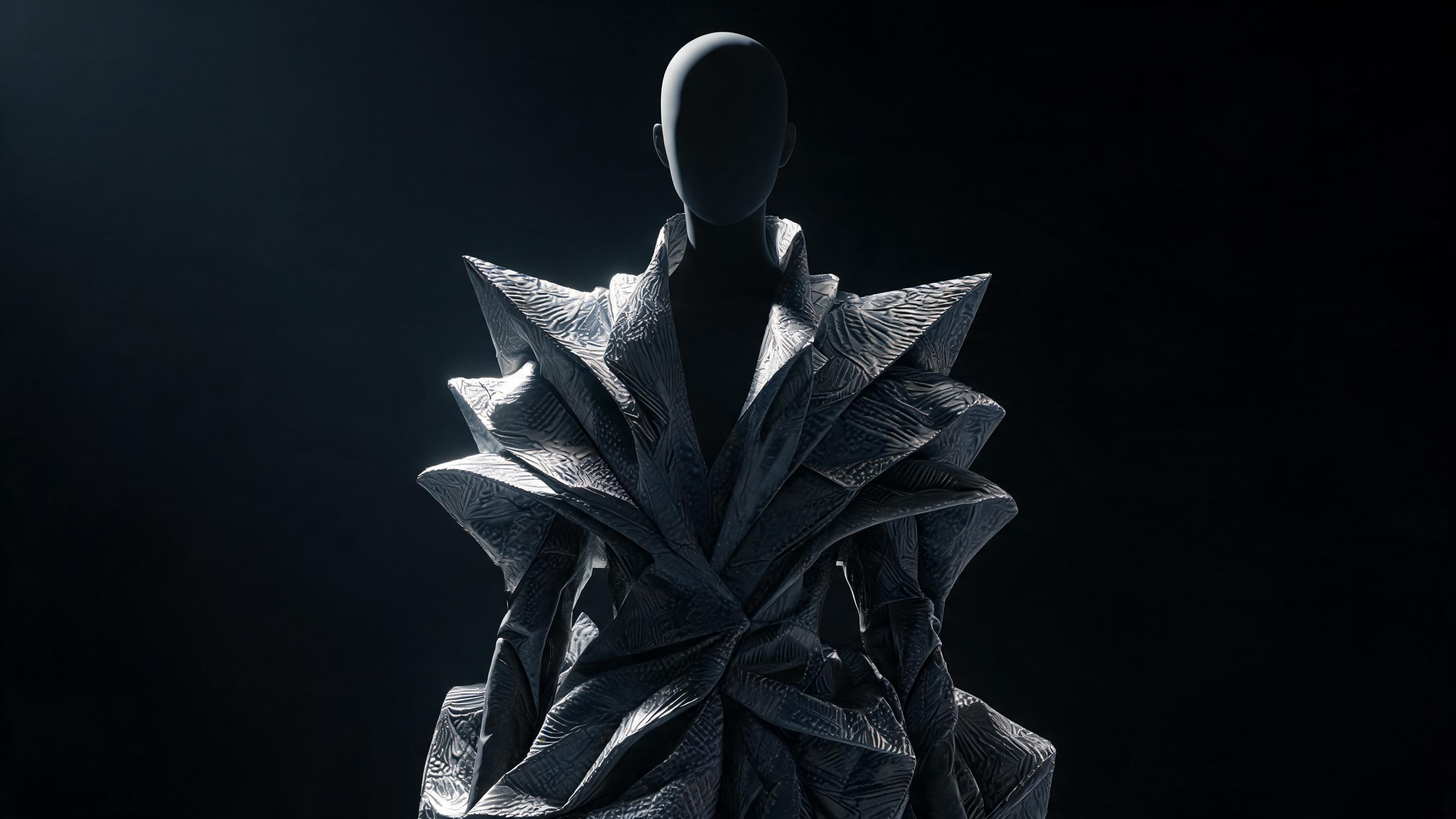
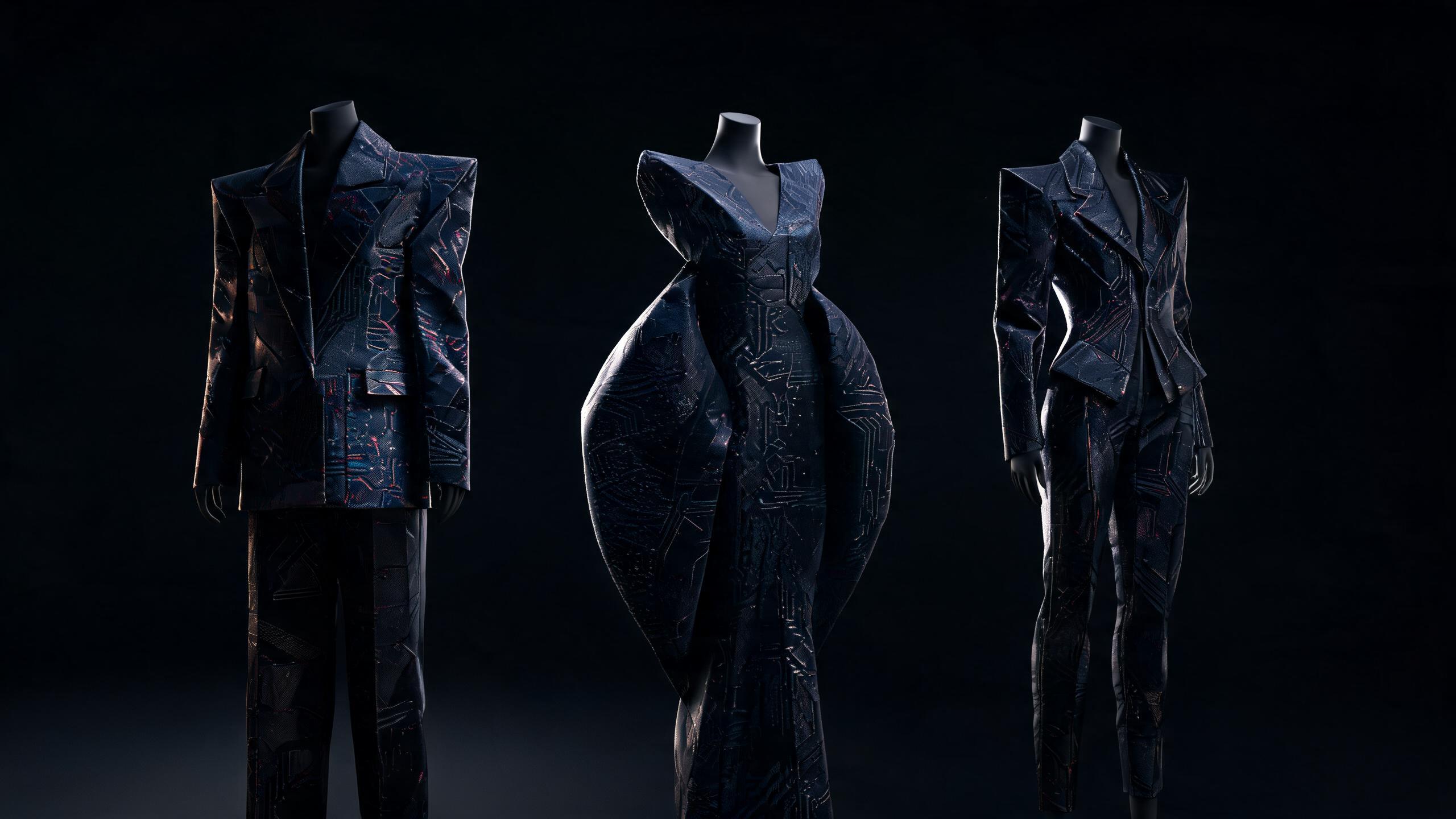
The silhouette for 2026 is defined by "Submerged Minimalism." This involves garments that move like liquid. Think of wide-leg trousers in heavy-gauge silk that mimic the movement of the tide, or unstructured blazers that provide a sharp shoulder line without the heat-trapping padding of traditional tailoring.
An AI-curated system recognizes that beach environments demand transitions. An outfit must function for a morning on a private vessel, a late afternoon in a high-heat coastal town, and a formal evening engagement. The "fluidity" comes from pieces that can be layered and deconstructed based on real-time environmental data.
Spectral Resonance
The 2026 palette moves away from the neon-saturated "dopamine dressing" of previous years. Instead, the focus is on spectral resonance—colors that interact with the specific quality of light in your destination. A Mediterranean beach requires different chromatic values than a tropical coastline in Southeast Asia.
AI curated beach vacation outfits for 2026 summer focus on desaturated earth tones, oxidized metals, and "deep-sea" blues. These are not just aesthetic choices; they are data-driven decisions based on how colors reflect UV radiation and how they harmonize with the wearer's skin tone under intense solar exposure.
The Failure of "Vacation Identity Crisis"
Most people suffer from a vacation identity crisis. They buy clothes for a version of themselves that only exists for seven days. They purchase eccentric prints and impractical silhouettes that they would never wear in their daily lives. This results in a wardrobe that feels like a costume.
Data-driven style intelligence solves this by grounding vacation wear in your established style model. If your daily aesthetic is rooted in brutalist minimalism, your beach wardrobe should be a lightweight, sun-adapted extension of that logic—not a sudden pivot to floral maximalism. AI curation ensures that your vacation self is a refined version of your actual self. It maintains the "thread" of your identity across different climates and contexts.
Categorical Breakdowns: The 2026 Curation
The Sunrise Vector: Morning Transit and Early Coastal Exposure
The morning requires high-breathability layers. The AI-recommended kit for 2026 includes:
- The Technical Tunic: A blend of hemp and recycled ocean plastic fibers, cut with a high neck for sun protection but a loose weave for airflow.
- Modular Shorts: Tailored shorts with hidden, bonded seams and water-repellent finishes. They look like high-end evening wear but function like swim trunks.
- Reactive Eyewear: Frames 3D-printed to the wearer's facial geometry, featuring lenses that adjust tint based on the specific UV index of the morning.
The High Noon Vector: Peak Heat and Aquatic Engagement
At midday, the priority shifts to thermal regulation. AI curated beach vacation outfits for 2026 summer focus on:
- Architectural Swimwear: Monochromatic, high-compression pieces that utilize laser-cut ventilation. The focus is on the silhouette—asymmetric necklines and structural cutouts that provide visual interest without relying on temporary patterns.
- The Oversized Silk-Ramie Shirt: Worn open, this piece acts as a portable shade structure. The fabric is chosen for its high thermal conductivity, pulling heat away from the skin.
- Mineral-Infused Headwear: Wide-brimmed hats made from a lightweight, shape-memory alloy that can be folded into a suitcase and instantly regain its form.
The Aperitivo Vector: Sunset and Evening Transition
As the light changes, the wardrobe must become more structured.
- The Liquid Metal Knit: A sheer, metallic-threaded knit dress or shirt that catches the low-angle sun. In 2026, these pieces use conductive threads that slightly warm or cool based on the drop in evening temperature.
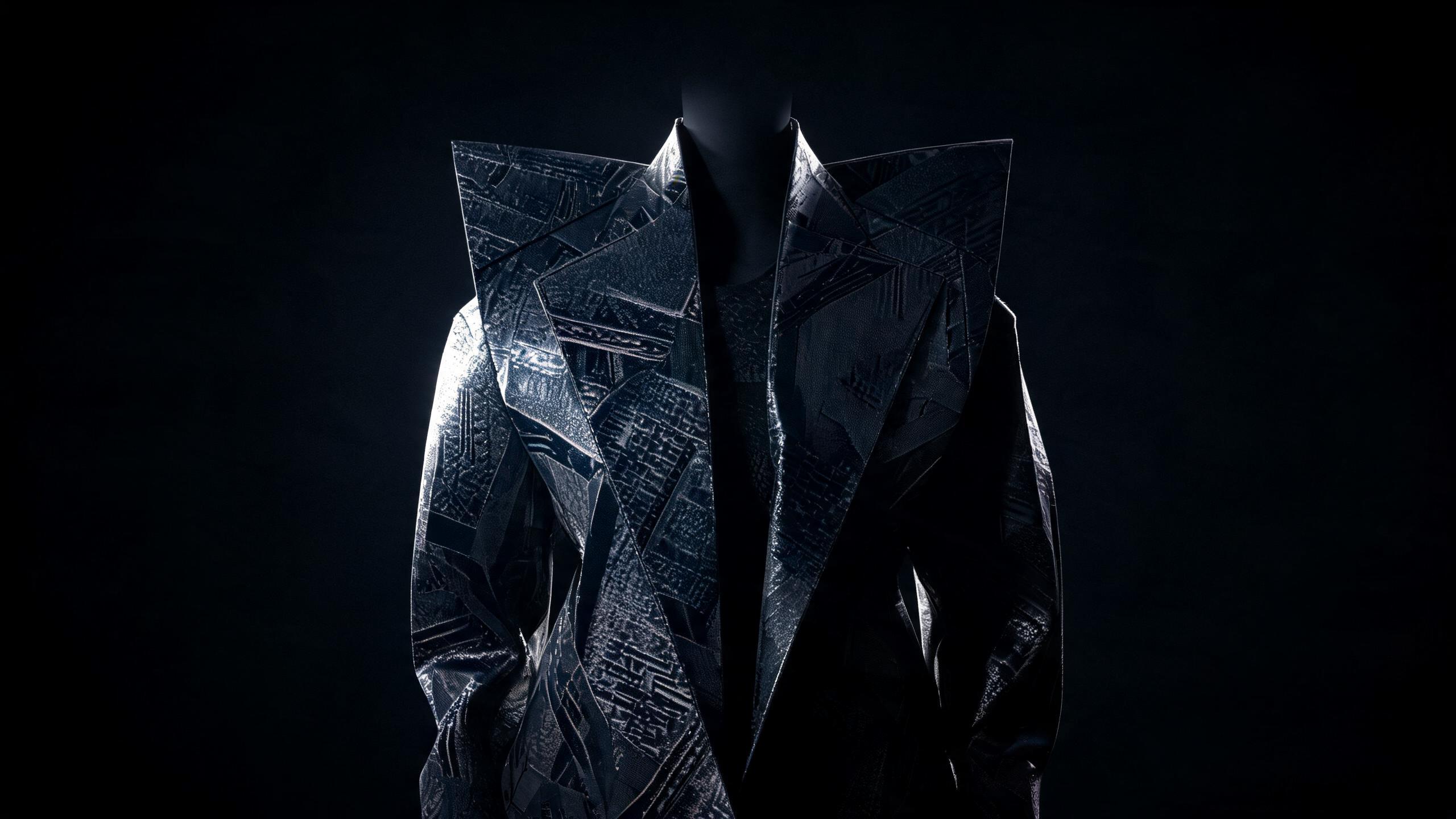
- Deconstructed Tailoring: A blazer made from "paper-leather"—a vegan, ultra-thin material that provides the gravitas of a jacket with the weight of a t-shirt.
- Sculptural Footwear: Sandals that prioritize orthopedic alignment via AI-scanned footbeds, finished with high-gloss, architectural straps.
Common Mistakes in Beach Curation
The most frequent error in summer dressing is the overestimation of "boho-chic" as a universal solution. Fringes, beads, and heavy embroidery are often heat-traps. They add unnecessary weight and friction. Another mistake is the reliance on "fast fashion" linens which are often blended with cheap polyesters, negating the cooling benefits of the natural fiber.
Precision AI avoids these traps. It rejects the "more is more" approach to vacation dressing. A data-driven wardrobe is lean. It consists of fewer, higher-quality items that are designed to be reconfigured. If a piece does not serve at least three distinct contextual purposes, it is a failure of curation.
Why Fashion Needs AI Infrastructure, Not AI Features
The industry is currently flooded with "AI assistants" that are little more than glorified chatbots. They can't actually see your style; they can only read your search history. Real style intelligence—the kind required for AI curated beach vacation outfits for 2026 summer—is built on a foundation of computer vision and deep learning.
It involves a system that analyzes the geometry of your favorite clothes, the color patterns of your existing wardrobe, and the functional requirements of your life. This creates a "Personal Style Model." Once this model exists, the AI doesn't just "find" clothes; it filters the entire global market through the lens of your specific identity. It eliminates the noise of the "trending" tab and focuses on the signal of your personal taste.
The Logic of the 2026 Wardrobe
In 2026, the sophisticated traveler understands that style is a form of personal data management. Your clothes are an interface between your body and the environment. On a beach vacation, that environment is demanding. High salt, high UV, high humidity. Your wardrobe must be an optimized solution to those variables.
The aesthetic of 2026 is "Quiet Utility." It is the realization that the most luxurious thing you can wear is something that fits perfectly, performs flawlessly, and looks exactly like you. This is only possible through a system that learns from you over time. A system that knows your style better than you do because it has the data to back it up.
Predictive Curation: Beyond the Trip
The power of AI curated beach vacation outfits for 2026 summer lies in their longevity. Because these recommendations are based on your core style model rather than a passing trend, they remain relevant long after the vacation ends. The "coastal" pieces integrate back into your "urban" wardrobe. The silk-linen trousers you wore on a beach in Greece become your staple for a summer evening in the city. This principle aligns with how to plan your 2026 honeymoon outfits, where pieces also transition seamlessly from vacation to everyday wear.
This is the ultimate goal of fashion intelligence: the elimination of waste through the perfection of selection. When you buy the right thing the first time, the need for constant replacement disappears. We are moving toward a future where "shopping" is replaced by "curation," and "trends" are replaced by "models."
Your Personal Style Model
Every outfit recommendation you receive should be a step toward a more refined version of your style. It should not be a random guess based on what's popular on social media. Your style is not a trend; it is a model that evolves as you do. The gap between what you want to wear and what you can find is closing. In fact, understanding spring 2026 style trends tailored to you can help you build foundational pieces that work across seasons.
By the summer of 2026, the process of preparing for a vacation will be a seamless interaction with your style intelligence system. You provide the destination; the system provides the architecture. No more guessing. No more identity crises. Just data-driven luxury.
AlvinsClub uses AI to build your personal style model. Every outfit recommendation learns from you. Try AlvinsClub →
Related Articles
- AI-Driven Wardrobes: How to Plan Your 2026 Honeymoon Outfits
- Can AI Find Your Best Poolside Outfit Ideas for Summer Vacation?
- The Definitive Spring 2026 Style Guide: AI Trends Tailored to You
- How to Use AI Stylists to Curate Your Ultimate Heat-Proof Summer Outfits
- Why AI-powered lists are the secret to a chic beach vacation