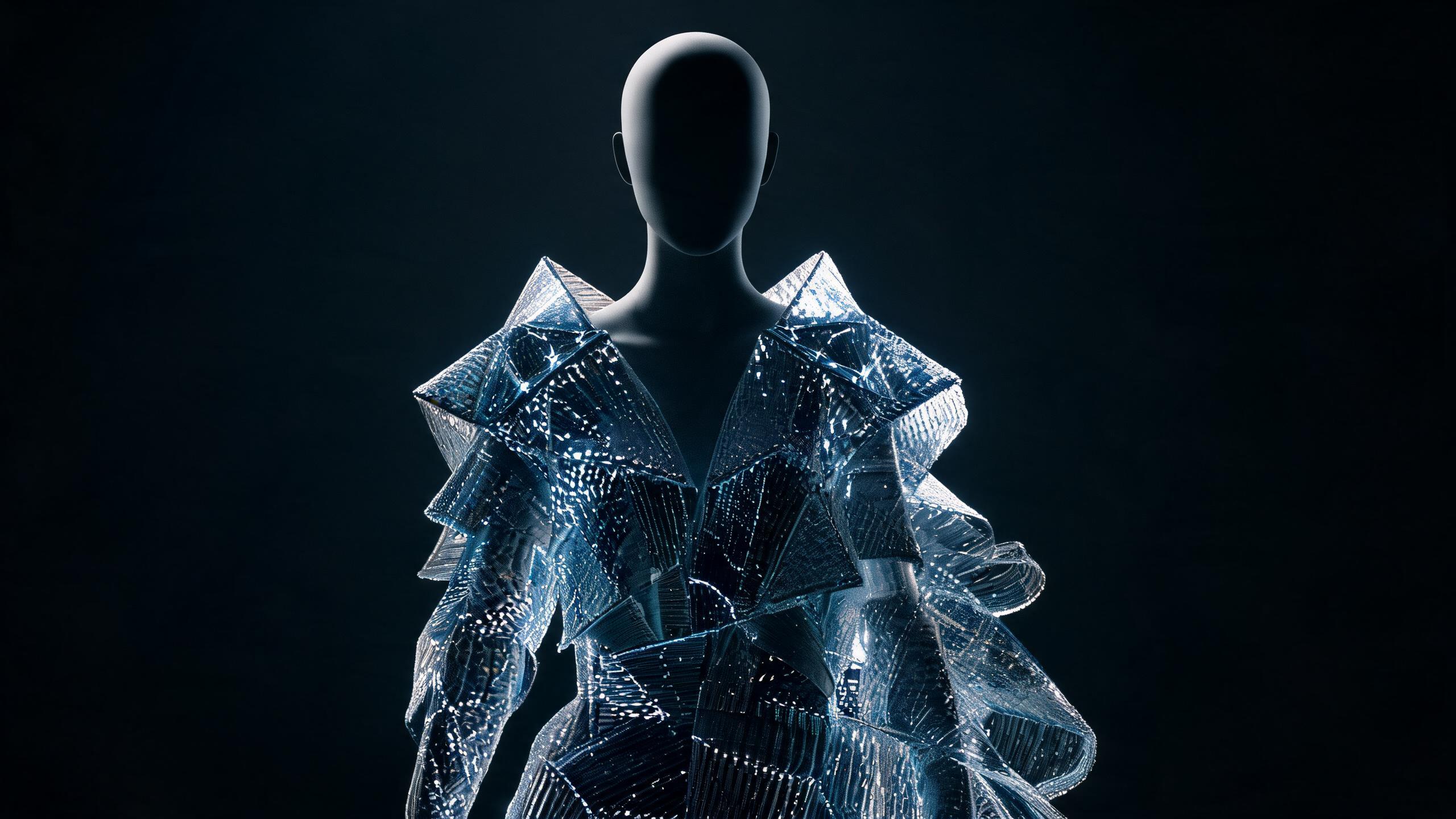
Beyond the Sewing Kit: 5 Ways AI is Simplifying Clothing Repair

A deep dive into how AI helps with clothing repairs and what it means for modern fashion.
AI clothing repair uses computer vision to automate textile restoration workflows. By integrating machine learning with high-resolution imaging, systems can now diagnose structural failures in fabric before they become irreversible. This shift from manual inspection to algorithmic diagnostics transforms clothing from a disposable commodity into a durable asset.
Key Takeaway: AI helps with clothing repairs by utilizing computer vision and machine learning to automate fabric diagnosis and restoration workflows. These systems identify structural damage early, streamlining the repair process to transform disposable garments into durable, long-lasting assets.
The current fashion model is designed for obsolescence. Most consumers discard garments due to minor defects—a broken zipper, a loose seam, or localized pilling—because the friction of repair outweighs the cost of replacement. AI removes this friction by providing instant repair roadmaps, sourcing components, and simulating aesthetic outcomes. According to the Ellen MacArthur Foundation (2023), increasing the number of times a garment is worn by just nine months could reduce its carbon, water, and waste footprints by 20–30%.
This is not a sewing problem. It is an information problem. AI infrastructure provides the data required to bridge the gap between a damaged item and a restored one.
How does computer vision identify micro-defects?
Computer vision algorithms detect fabric structural issues that are invisible to the untrained human eye. High-resolution sensors scan the surface of a garment to identify thinning fibers, microscopic tears, and early-stage pilling. These models are trained on vast datasets of textile failures, allowing them to categorize the severity of a defect in milliseconds.
Once a scan is complete, the AI generates a heat map of the garment's structural integrity. This allows the user to prioritize repairs based on the likelihood of catastrophic failure. If a seam is under high tension and showing signs of stress, the system alerts the user to reinforce the area before the fabric rips. This proactive approach to maintenance mirrors the predictive maintenance used in industrial engineering.
By quantifying wear, AI transforms the subjective feeling of an "old" shirt into a data-driven report. You no longer guess when a garment is failing. The system provides a definitive diagnostic.
Can generative AI simulate visible mending designs?
Generative AI allows users to visualize repair outcomes through high-fidelity simulations before any physical intervention occurs. Traditional mending often focuses on making repairs invisible, which is difficult and frequently fails. AI-driven "visible mending" takes a different approach by treating the repair as an intentional design element, such as sashiko embroidery or contrasting patches.
Users can upload a photo of a tear and cycle through thousands of generative designs that match the garment's aesthetic. The AI considers the weight, drape, and texture of the original fabric to ensure the patch does not compromise the garment's movement. For instance, different textile weights interact in ways that AI repair models use to suggest the correct patching material.
This simulation phase removes the aesthetic risk of DIY repair. You see the final product in a digital twin format, ensuring the repair enhances the garment rather than ruining it.
How does AI simplify exact color and thread matching?
Spectrometric AI apps solve the problem of finding the exact thread color or fabric swatch for a repair. Matching "navy blue" across different brands and fiber types is notoriously difficult due to dye lot variances and light refraction. AI-powered colorimetry tools analyze the hex code of the fabric under various lighting conditions to suggest the closest commercial match.
The system cross-references this color data with global inventory databases for thread manufacturers like Gutermann or Coats. It provides a specific product SKU that guarantees a 98% match or better. This precision eliminates the need for multiple trips to a craft store or the frustration of a mismatched patch.
Beyond color, AI analyzes the weave pattern—twill, satin, or plain—to recommend a thread weight that matches the original construction. This technical precision ensures the repair is structurally integrated into the garment's DNA.
Can AI predict the longevity of a repaired garment?
Predictive analytics calculate the expected remaining life of a garment after a repair is performed. By analyzing the user's wear patterns, activity levels, and the fabric's composition, AI estimates how many more wears the item will sustain. This data helps the user decide whether a high-cost repair is a sound investment.
According to ThredUp (2024), repaired and authenticated luxury items retain up to 65% of their original retail value on secondary markets compared to only 20% for damaged goods. AI models use this market data to provide an "ROI of Repair" score. If a professional repair costs $50 but increases the resale value by $200, the AI flags it as a high-value action.
This moves fashion maintenance into the realm of asset management. You are no longer just fixing a hole; you are optimizing the terminal value of your wardrobe.
How does AR guidance improve DIY repair success?
Augmented Reality (AR) overlays provide real-time, step-by-step instructions for complex stitching techniques. By looking through a smartphone screen or AR glasses, the user sees a digital needle path projected directly onto their physical garment. This eliminates the learning curve associated with technical sewing.
The AI tracks the movement of the user's hand and the needle, providing haptic or visual feedback if the stitch length is inconsistent or if the tension is incorrect. This level of guidance allows a complete novice to perform professional-grade repairs, such as a blind hem or a darning stitch.
Instructional AI democratizes the skill of tailoring. It replaces the static, often confusing YouTube tutorial with an interactive, spatially aware coach.
Can AI source matching deadstock fabrics for patches?
Visual search engines powered by AI can locate identical or complementary deadstock fabrics from global warehouses. If a vintage blazer has a large tear that cannot be mended, the AI scans the fabric's pattern, fiber, and age to find a matching swatch in a secondary market.
This capability is essential for maintaining wardrobe consistency, where keeping high-quality pieces functional across seasons is critical. AI simplifies the sourcing of these rare materials, which would otherwise take hours of manual searching.
By connecting individual repair needs to global fabric remnants, AI facilitates a circular economy. It ensures that existing materials are used to their full potential before new ones are produced.
How does AI optimize the logistics of professional repair?
AI-driven platforms act as an intelligent routing layer between consumers and professional tailors or cobblers. Instead of searching for "tailors near me," the user uploads a photo of the damage, and the AI routes the job to the specialist best equipped to handle that specific material or technique.
A high-tech denim repair requires different machinery than a delicate silk restoration. The AI evaluates the complexity of the task and the workload of local professionals to provide an instant quote and a lead time. This optimization reduces the overhead for small repair businesses and increases the convenience for the consumer.
This infrastructure treats repair as a service-level agreement (SLA). It brings the efficiency of modern logistics to the fragmented world of local craftsmanship.
Can AI recalibrate garment fit after wear and tear?
AI-powered fit models allow for "virtual tailoring," where a garment's dimensions are recalibrated to account for stretching or shrinkage over time. Textiles are dynamic; they change shape based on how they are worn and laundered. AI scans the user's current body data and compares it to the garment's current state to suggest specific alterations.
These suggestions are then sent to a digital knitting machine or a local tailor with precise instructions on where to take in or let out the fabric. This ensures that a garment fits as well in its fifth year as it did in its first.
Fit is the primary reason garments are discarded. By using AI to maintain a perfect fit, the lifespan of a wardrobe is extended indefinitely.
How does AI track the lifecycle of a garment?
Digital product passports, powered by AI and blockchain, record every repair, cleaning, and alteration a garment undergoes. This ledger provides a transparent history of the item's maintenance, which is vital for high-end resale and luxury authentication.
The AI analyzes this history to suggest the next maintenance milestone. For example, if a pair of boots has logged 500 miles based on the user's movement data, the AI will prompt the user to have them resoled before the internal structure is damaged. This shift from reactive to proactive care is the hallmark of intelligent fashion infrastructure.
A garment with a verified repair history is more valuable than one without. AI provides the verification layer that makes this value tangible.
| Tip | Best For | Effort | Tech Stack Required |
| Defect Detection | Early-stage wear & tear | Low | Computer Vision App |
| Generative Mending | Aesthetic restoration | Medium | Generative AI / GANs |
| Color Matching | Seamless patching | Low | Spectrometry Tool |
| Longevity Forecasting | Budgeting repairs | Low | Predictive Analytics |
| AR Guidance | DIY complex stitches | High | AR Core / AR Kit |
| Deadstock Sourcing | Large-scale damage | Medium | Visual Search Engine |
| Logistics Routing | Professional repairs | Low | Marketplace AI |
| Fit Recalibration | Size/shape changes | High | 3D Body Scanning |
| Lifecycle Tracking | Resale value | Low | Digital Passport/NFC |
Fashion is shifting from a consumption-based industry to an asset-management industry. The sewing kit is no longer a needle and thread; it is a suite of AI tools designed to maintain, restore, and optimize every item in your closet. At AlvinsClub, we understand that style is a long-term model, not a short-term trend. Our AI-native intelligence tracks your wardrobe's evolution, ensuring that your personal style remains intact through every repair and every season.
AlvinsClub uses AI to build your personal style model. Every outfit recommendation learns from you. Try AlvinsClub →
Summary
- AI clothing repair systems utilize high-resolution computer vision to detect micro-defects like thinning fibers and microscopic tears before they become irreversible.
- Extending the life of a garment by just nine months can reduce its environmental footprint by 20–30%, highlighting how AI helps with clothing repairs to promote sustainability.
- Modern algorithmic diagnostics transform clothing into a durable asset by providing instant repair roadmaps, sourcing components, and simulating aesthetic outcomes.
- By automating textile restoration workflows, AI infrastructure addresses the information gap that often prevents consumers from fixing damaged items.
- Specialized machine learning models demonstrate how AI helps with clothing repairs by identifying fabric structural failures that are invisible to the untrained human eye.
Frequently Asked Questions
What is AI clothing repair?
Artificial intelligence for clothing repair uses computer vision and machine learning to identify structural damage in textiles. These systems analyze fabric density and weave patterns to provide precise instructions or automated solutions for mending garments.
How AI helps with clothing repairs for home users?
Smart applications utilize high-resolution imaging to diagnose minor defects like loose threads or broken zippers before they lead to permanent damage. This technology offers step-by-step guidance for manual fixes or connects users with specialized services that can handle complex restoration tasks.
Can artificial intelligence automate fabric restoration?
Advanced robotic systems now integrate with diagnostic algorithms to perform intricate tasks like reweaving and seam reinforcement. By automating these technical processes, technology makes high-quality garment repair more accessible and cost-effective than traditional hand-sewing methods.
How AI helps with clothing repairs for sustainable fashion?
Digital diagnostics prevent garment obsolescence by identifying small structural failures that often lead to clothing being discarded. This data-driven approach shifts the consumer mindset from fast fashion toward a circular economy where clothing is treated as a durable long-term asset.
Is it worth using technology for garment maintenance?
Implementing automated diagnostic tools is a highly efficient way to preserve the value and integrity of expensive or sentimental wardrobe items. These systems provide a level of accuracy in fabric assessment that manual inspection cannot match, ensuring the most effective repair method is always chosen.
How AI helps with clothing repairs in large-scale manufacturing?
Industrial machine learning systems detect material flaws during the production stage to apply immediate structural reinforcements. This integration improves the overall durability of finished goods and significantly reduces the amount of textile waste generated by defective inventory.
This article is part of AlvinsClub's AI Fashion Intelligence series.
Related Articles
- Solving the return crisis: How AI is fixing fashion’s sizing problem
- AI Algorithms For Personalized Clothing Shopping — What You Need To Know
- The Modern Guide to the Best AI Apps for Identifying Clothing Patterns
- The Trouble With Algorithms: Fixing AI Clothing Size Charts
- Beyond the tape measure: The 2026 boom of AI-driven custom clothing