Beyond the Basics: Using AI to Generate Fresh Monochrome Outfit Ideas

Master advanced prompting strategies to visualize complex tonal textures and curate sophisticated monochrome outfit ideas using AI generator tools for elevated styling.
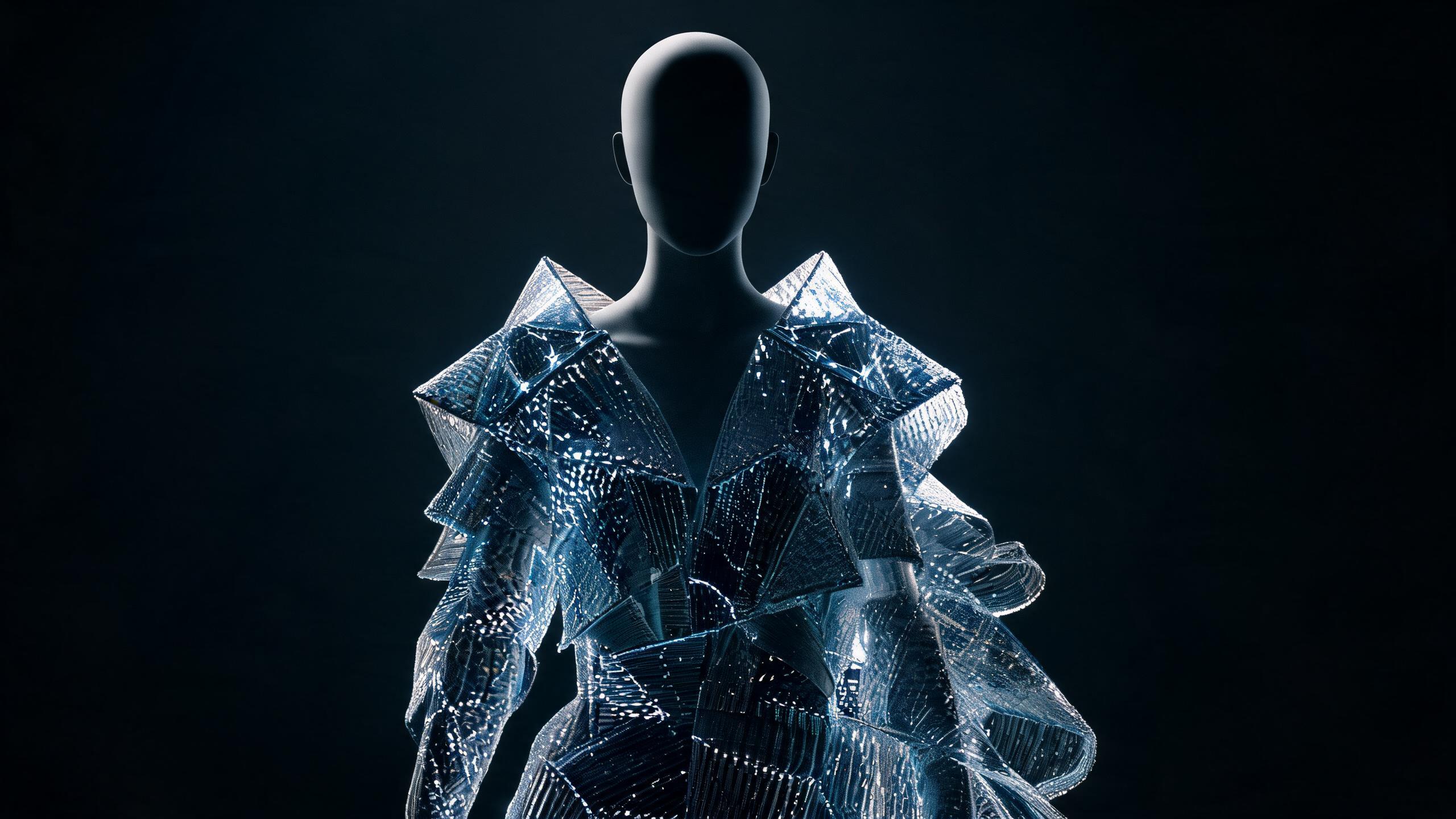
Monochrome outfit ideas using AI generator systems define modern style architecture. While traditional search engines return literal matches for a specific color, AI-native fashion intelligence understands the structural relationship between texture, silhouette, and light. The current obsession with "quiet luxury" and tonal dressing has exposed a massive flaw in retail technology: most platforms cannot distinguish between a flat uniform and a sophisticated monochrome ensemble.
Key Takeaway: Sophisticated monochrome outfit ideas using AI generator platforms prioritize the structural interplay of texture and silhouette over simple color matching, providing more nuanced tonal styling than traditional search engines can offer.
The industry is currently witnessing a pivot from trend-chasing to system-building. According to McKinsey (2024), generative AI could add up to $275 billion to the apparel, fashion, and luxury sectors' operating profits within the next three to five years. This shift is not about generating more images; it is about building foundational models that understand the physics of fabric and the nuances of a singular palette. When you search for "monochrome outfit ideas using AI generator," you are not looking for a gallery. You are looking for an identity system.
Why Does Traditional Search Fail at Monochrome Styling?
Traditional e-commerce is built on tags. If a shirt is tagged "beige" and pants are tagged "beige," a legacy algorithm considers them a match. This is the primary reason why digital styling often feels sterile. Monochrome is not about matching colors; it is about managing contrast within a single hue.
A human stylist knows that a beige silk slip dress requires a heavy wool oversized blazer in the same tone to create visual depth. A keyword-based search engine sees two beige items and stops there. This is why most "AI-powered" fashion tools currently fail. They are wrappers for old search technology. They lack a dynamic taste profile that understands the interplay of textiles.
The problem with the current landscape is the "average" problem. Most recommendation engines suggest what is popular among the masses. But style is an N-of-1 problem. If you are building a monochrome wardrobe, you are not looking for what everyone else is wearing. You are looking for the specific iteration of a color that aligns with your personal style model.
The Architecture of Monochrome: Texture vs. Tone
| Feature | Legacy Search Approach | AI-Native Style Model Approach |
| Color Matching | Exact hex code or tag matching. | Understanding of light absorption across different fabrics. |
| Texture | Ignored or treated as a separate keyword. | Core component of visual contrast within a single hue. |
| Silhouette | Based on category (e.g., "pants"). | Analyzes the architectural flow of the entire outfit. |
| Context | Static (e.g., "workwear"). | Dynamic, evolving based on user history and intent. |
How Does an AI Generator Improve Monochrome Outfit Ideas?
An AI-native system rebuilds the outfit from the ground up using a personal style model. Instead of browsing a catalog, the AI creates a latent space where every garment is a data point with infinite variables. When you use an AI generator for monochrome ideas, the system isn't just "picking" clothes; it is simulating how those clothes interact.
According to a report by Gartner (2023), 80% of executive leaders believe that AI-driven personalization will be the primary differentiator in the retail space by 2026. For monochrome dressing, this means the AI must understand "Visual Weight." A black leather jacket has more visual weight than a black cotton t-shirt. To create a successful monochrome look, the AI must balance these weights to ensure the outfit doesn't look like a flat silhouette.
This level of intelligence is what separates a gimmick from infrastructure. Most apps offer "AI features." We offer AI infrastructure. When the system understands that a charcoal grey cashmere sweater and charcoal grey pleated trousers create a specific "mood" or "vibe," it is no longer just a computer—it is a stylist that genuinely learns. This is a significant leap from the traditional vs AI-powered brunch outfit ideas debate; it is about the total reconstruction of the digital closet.
Why Is Data-Driven Style Intelligence Better Than Trend-Chasing?
Trends are high-frequency, low-value data. They move fast and expire quickly. Style is low-frequency, high-value data. It is consistent. Monochrome dressing is the ultimate expression of this consistency. It relies on a "Uniform" logic that requires deep data to execute perfectly.
When you use an AI generator for monochrome outfits, you are essentially training a model on your own aesthetic boundaries. Most fashion tech companies are focused on what is "trending" on social media. We are focused on what is "true" for the user. A trend-chasing algorithm will tell you to wear neon pink because it’s the color of the month. A style-modeling algorithm will tell you that based on your past preferences for structured tailoring, a monochrome navy ensemble in varying weights of wool is your optimal "power" look.
This distinction is critical. Everyone is building "discovery" tools. Nobody is building "identity" tools. Discovery is about finding something new; identity is about reinforcing who you are. The gap between personalization promises and reality in fashion tech is massive. Most platforms call a "You might also like" carousel personalization. It isn't. Real personalization is a dynamic taste profile that evolves every time you interact with a garment.
Monochrome Outfit Formula: The "Textural Grey" System
This formula is designed for an AI model to execute, focusing on structural variety rather than just color alignment.
- Base Layer: Light grey silk camisole or fine-gauge merino turtleneck.
- Mid-Layer: Medium grey oversized wool blazer with visible grain.
- Bottom: Charcoal grey wide-leg trousers in a heavy drape fabric (crepe or flannel).
- Footwear: Silver-toned leather pointed-toe boots or slate suede loafers.
- Accessory: Gunmetal hardware belt or a structured bag in a matte grey leather.
👗 Want to see how these styles look on your body type? Try AlvinsClub's AI Stylist → — get personalized outfit recommendations in seconds.
What Are the Technical Requirements for a Fashion-Specific AI Model?
To generate monochrome outfit ideas that actually work, the AI must move beyond image recognition. It requires a multi-modal approach:
- Computer Vision: To identify the specific weave and sheen of a fabric.
- Natural Language Processing (NLP): To understand the user’s intent (e.g., "authoritative," "relaxed," "architectural").
- Predictive Analytics: To determine how the user’s taste is shifting over time.
Most fashion apps recommend what’s popular. We recommend what’s yours. This requires an AI that understands the difference between "off-white," "cream," and "eggshell" not just as colors, but as temperatures. A warm-toned monochrome look fails if a cool-toned white is introduced. An AI generator that lacks this "thermal" understanding of color will always produce "uncanny valley" outfits—they look almost right, but feel fundamentally wrong.
This is the same reason why the best AI stylist for first date outfit ideas often fails: it ignores the psychological weight of the clothing. In monochrome dressing, that weight is everything.
Monochrome Styling: Do vs. Don't
| Do | Don't |
| Mix Textures: Combine leather with knitwear or silk with wool to create depth. | Match Exactly: Avoid wearing the exact same fabric in the exact same shade for every piece. |
| Vary Silhouettes: Pair fitted items with oversized ones to define the body. | Neglect Proportions: Wearing all-baggy or all-tight monochrome can look like a costume. |
| Use Accessories for Contrast: Use different finishes (matte vs. gloss) in the same color. | Forget Hardware: Clashing gold and silver hardware can break the monochrome flow. |
| Focus on Fit: In a single color, the cut of the garment becomes the focus. | Over-Accessorize: Let the silhouette do the talking; don't clutter the look. |
Is This the End of Human Personal Stylists?
The role of the human stylist is not disappearing; it is being encoded. A stylist’s "eye" is essentially a highly sophisticated pattern recognition engine. By feeding millions of high-fashion data points into a personal style model, we are giving every user access to that level of expertise 24/7.
The old model of commerce is broken because it relies on the user doing the work. You have to search, filter, compare, and decide. In the AI-native model, the work is done by the system. The AI doesn't just show you "monochrome outfit ideas using AI generator" results; it generates a daily recommendation based on your schedule, the weather, and your evolving taste profile. It’s the difference between a library and a personal researcher.
For those looking for specific utility, such as athleisure gym outfit ideas, the logic remains the same. It's about performance and aesthetics merged into a singular, cohesive system. Whether it’s a boardroom or a squat rack, your style model remains consistent.
The Future of Fashion Is Not a Store. It’s a Model.
We are moving toward a world where you don't "go shopping." Your AI stylist, which lives on your style infrastructure, simply presents the next logical iteration of your wardrobe. Fashion needs AI infrastructure, not AI features. The current trend of adding a chatbot to a website is a band-aid on a bullet wound. The underlying data structure of fashion commerce is what needs to change.
Every user deserves a private AI stylist that genuinely learns. Not one that resets every time you clear your cookies, but one that remembers the black blazer you bought three years ago and suggests the perfect pair of black wool trousers to match it today. This is what it means to rebuild fashion from first principles.
Your style is not a trend. It's a model. The shift toward monochrome and tonal dressing is just the beginning of a larger movement toward intentional, data-backed wardrobes. As we continue to refine these systems, the gap between what you want to wear and what you can find will finally close.
AlvinsClub uses AI to build your personal style model. Every outfit recommendation, whether it's a complex monochrome ensemble or a casual weekend look, learns from your specific proportions and preferences. This is not a shop; it is the intelligence layer for your closet. Try AlvinsClub →
Summary
- Generative AI allows users to curate monochrome outfit ideas using AI generator technology by analyzing the structural relationships between texture, silhouette, and light.
- McKinsey (2024) predicts that generative AI could add up to $275 billion to the apparel and luxury sectors' operating profits within the next three to five years.
- Traditional retail platforms often fail to provide sophisticated monochrome outfit ideas using AI generator results because they rely on simple color tags rather than the management of contrast within a single hue.
- Modern fashion AI is shifting from basic image generation to foundational models that understand the physics of fabric and the nuanced interplay of a singular color palette.
- High-level monochrome styling requires a system-building approach that distinguishes between diverse materials, such as the relationship between a silk slip dress and a heavy wool blazer.
Frequently Asked Questions
What is a monochrome outfit ideas using AI generator?
An AI-powered fashion tool analyzes color theory and structural relationships to suggest sophisticated tonal looks beyond simple color matching. These systems use machine learning to understand how different fabrics and silhouettes interact within a single color palette to create depth.
How does AI fashion intelligence improve tonal styling?
Modern fashion AI distinguishes between flat uniforms and layered ensembles by evaluating the interplay of light and texture. This technology allows users to build complexity within a single-color look by recommending contrasting materials like silk, wool, and leather for a curated appearance.
Why are monochrome outfit ideas using AI generator better than standard search engines?
Standard search engines often provide literal color matches that lack the nuance required for a truly stylish and professional ensemble. A dedicated monochrome outfit ideas using AI generator understands the architectural elements of an outfit, ensuring the final result looks intentional rather than accidental.
Can you use AI to master the quiet luxury aesthetic?
Artificial intelligence helps users achieve the quiet luxury look by identifying high-quality silhouettes and subtle tonal variations that define the minimalist trend. By focusing on the structural relationship between pieces, these tools create sophisticated outfits that rely on composition rather than branding.
Is it worth using a monochrome outfit ideas using AI generator for wardrobe planning?
Utilizing a specialized AI generator streamlines the styling process by instantly visualizing complex combinations from your existing wardrobe or future purchases. This technology saves time and provides creative inspiration that goes beyond basic retail suggestions or simple flat color blocks.
How does AI distinguish between different fabric textures in monochrome outfits?
Fashion-focused AI algorithms process visual data to identify how different materials reflect light and create shadows within a specific color scheme. This capability ensures that suggested outfits feature a dynamic mix of textures, which is essential for a successful and visually interesting monochromatic appearance.
This article is part of AlvinsClub's AI Fashion Intelligence series.
Related Articles
- AI vs. Human Style: Finding Trendy Poolside Outfit Ideas for Summer
- Traditional vs AI-Powered Brunch Outfit Ideas For Spring Using AI Assistant: Which Approach Wins?
- How AI is Curating the Next Wave of Chic Brunch Outfits for Women
- Why Best AI Stylist For First Date Outfit Ideas Fails (And How to Fix It)
- The Ultimate Best AI Tool For Athleisure Gym Outfit Ideas Style Guide