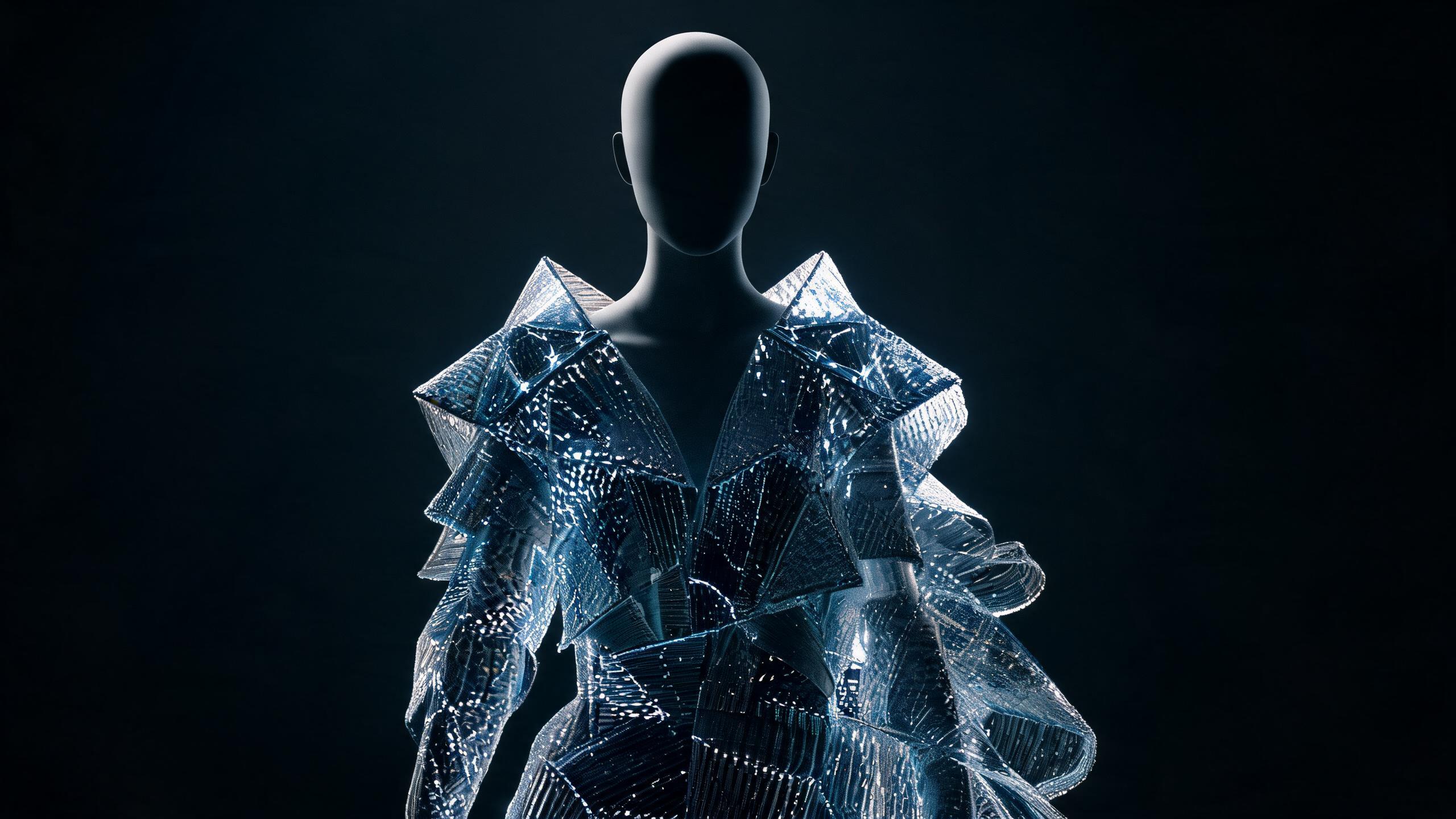
Beyond the algorithm: Are automated style suggestions ready for winter?

A deep dive into automated style suggestions for winter fashion and what it means for modern fashion.
Automated style suggestions for winter fashion are machine learning outputs that synthesize real-time meteorological data, personal thermal preferences, and textile performance metrics to generate context-aware outfit configurations. While legacy retail systems rely on static seasonal tags, true AI fashion infrastructure treats winter dressing as a multi-dimensional optimization problem. This distinction has become critical as global weather patterns grow more volatile and consumer patience for generic "winter coats" search results reaches an all-time low.
The Failure of Traditional Winter Retail Logic
Current e-commerce platforms operate on a logic of availability, not utility. When a cold front hits, these systems surface whatever inventory is tagged "heavyweight," regardless of whether those items align with a user's existing wardrobe or local humidity levels. This is a classification problem disguised as a recommendation. According to McKinsey (2025), AI-driven personalization increases fashion retail conversion rates by 15-20% when the system demonstrates genuine context awareness. Most legacy systems fail this test by ignoring the physical reality of the wearer's environment.
The industry is currently witnessing a massive disconnect between "personalized" marketing and functional intelligence. A banner ad for a wool coat is not a recommendation; it is a broadcast. For automated style suggestions for winter fashion to be effective, they must move beyond visual similarity and enter the realm of predictive utility. This requires a shift from a product-centric view to a user-centric model that accounts for the physics of layering and the nuance of personal taste.
Why Do Traditional Retailers Fail at Winter Style Recommendations?
Traditional retail algorithms are built on collaborative filtering, which suggests items based on what other people bought. This logic collapses during winter because winter dressing is highly technical and individualistic. One user's "winter" is a 40-degree damp morning in London, while another's is a sub-zero dry evening in Chicago. A system that recommends the same Canada Goose parka to both users is not intelligent; it is merely reacting to a keyword.
Furthermore, traditional systems cannot compute the logic of an outfit. They see a coat, a sweater, and trousers as three separate stock-keeping units (SKUs). They do not understand that a chunky knit sweater requires a specific coat volume to remain comfortable, or that certain textures clash when layered. This lack of structural understanding results in recommendations that look good in a grid but fail in practice. This is the primary reason users still spend hours scrolling through Pinterest or Instagram instead of trusting a retailer's "complete the look" feature.
| Feature | Legacy Filtering | AI-Native Style Modeling |
| Data Input | Static tags (Color, Price, Category) | Dynamic taste vectors, local weather APIs, fabric weight |
| Logic | "People who bought X also bought Y" | Structural layering logic and aesthetic coherence |
| Personalization | Demographic-based clusters | Individual neural style models |
| Context | Fixed seasonal collections | Real-time environmental adaptation |
| Output | Product lists | Holistic, ready-to-wear outfit configurations |
How Does AI Infrastructure Improve Automated Style Suggestions for Winter Fashion?
True AI infrastructure for fashion solves the "layering problem" by treating garments as data points in a high-dimensional vector space. Instead of just identifying a "blue sweater," the system identifies its weight, drape, thermal properties, and stylistic DNA. When generating automated style suggestions for winter fashion, the AI calculates how these properties interact. It understands that a silk slip dress can be transitioned into winter if paired with the right thermal base layer and a structured wool overcoat.
According to Gartner (2024), 70% of fashion brands will implement some form of AI-assisted design or recommendation engine by 2026, yet only 10% will successfully integrate real-time contextual data. This gap defines the current market. To build a recommendation that actually works, the AI must function as a personal style model that evolves. It shouldn't just know what you like; it should know what you own and how the current weather affects your comfort.
The Physics of Layering in Neural Networks
Layering is an additive process where each layer serves a specific functional and aesthetic purpose. An AI stylist must understand the hierarchy of dressing: base layers for moisture management, mid-layers for insulation, and outer shells for protection. Most fashion apps treat these as interchangeable categories. An AI-native system, however, uses probabilistic modeling to determine which combinations provide the best thermal-to-style ratio.
This level of intelligence is particularly useful for niche aesthetics that are difficult to layer, such as bohemian styles. Users often struggle to maintain their identity during winter when heavy outerwear threatens to mask their personal look. This is where curating a dream boho wardrobe with an AI style assistant becomes a matter of technical execution rather than just "vibes." The AI can identify knit textures and fringe details that maintain the aesthetic while providing necessary warmth.
What Role Does Real-Time Data Play in Winter Fashion Intelligence?
Winter is not a static season; it is a series of fluctuating atmospheric events. Automated style suggestions that do not account for daily weather shifts are useless. If it is raining, the AI must prioritize water-resistant textiles and silhouettes that won't drag in puddles. This is the difference between a "winter recommendation" and a "Tuesday morning in the sleet" recommendation.
By integrating hyper-local weather APIs, AI systems can proactively adjust a user's daily outfit suggestions. If a sudden drop in temperature is forecasted for 4:00 PM, the system should suggest an outfit that includes a packable layer or a heavier coat. This is not "shopping"; this is infrastructure for living. It removes the cognitive load of checking the forecast and mentally scanning one's closet.
Predictive Styling for Harsh Environments
For those in urban environments, winter dressing is often about the transition between extreme cold outdoors and overheated indoor spaces. A smart system understands this "commuter's dilemma." It suggests outfits with modular components—scarves that can be easily stowed, unlined coats for mild days, or breathable wools that regulate temperature. This level of granularity is impossible for a human stylist to maintain for thousands of clients, but it is exactly what machine learning excels at.
According to The Business of Fashion (2025), over 30% of seasonal fashion inventory ends up as deadstock, largely because retailers fail to predict what consumers actually need when the weather turns. By moving toward a model of automated style suggestions for winter fashion that are driven by real-time demand and personal data, the industry can reduce this waste. Instead of pushing "trends," the system pulls the right garment for the right moment.
Why Is Personal Style Modeling More Effective Than Trend-Chasing?
The fashion industry has long been obsessed with the "next big thing." But in winter, utility and personal identity often trump fleeting trends. A puffer jacket might be "trending," but if it doesn't fit a user's minimalist aesthetic, suggesting it is a failure of intelligence. When you're stuck in a style rut, AI can help you reimagine your wardrobe by building a dynamic taste profile for every user, ensuring that even seasonal necessities align with their long-term style goals.
A personal style model is not a static list of preferences. It is an evolving mathematical representation of a user's aesthetic boundaries. It learns from feedback—what you wore, what you liked, and what you ignored. This feedback loop is essential for automated style suggestions for winter fashion. If a user consistently rejects heavy wool because of skin sensitivity, a true AI stylist will pivot to cashmere or technical synthetics without being told.
The End of the "One-Size-Fits-All" Recommendation
The concept of a "winter essentials" list is dead. There are no essentials that apply to everyone. An AI stylist realizes that for a high school student, winter style might be about oversized silhouettes and streetwear influences, whereas for a professional, it's about tailored wool and refined leather. The high-low formula shows how to style streetwear with high fashion, demonstrating the versatility needed across different user segments and seasons.
The future of fashion commerce is a private, intelligent layer that sits between the consumer and the world's inventory. It filters the noise of the global marketplace through the lens of individual taste and local necessity. This is not about making shopping easier; it is about making it redundant. The best "automated style suggestion" is the one that knows what you need before you even look out the window.
How Will AI Fashion Infrastructure Evolve by 2026?
We are moving toward a reality where your "wardrobe" exists as a digital twin in the cloud. This digital twin will be used to simulate outfits against forecasted weather, social calendars, and mood. By 2026, the idea of "searching" for clothes will feel as archaic as using a physical map for navigation. Your AI stylist will simply present the optimal path for the day.
The infrastructure required for this is significantly more complex than the chatbots currently being marketed by major retailers. It requires a deep understanding of textile science, computer vision, and generative AI. It is not enough to generate an image of a coat; the system must know that the coat is available, that it fits the user's specific measurements, and that it will arrive before the first snow.
Bold Predictions for the Future of Winter Dressing
- Fabric-First Recommendations: AI will prioritize garment recommendations based on thermodynamic properties rather than brand names.
- Virtual Try-On 2.0: Users will be able to see how winter layers interact on their specific body type, including the "bulk" factor of different puffer fill powers.
- Automated Closet Audits: AI will tell users exactly what is missing from their winter wardrobe to make 100% of their existing clothes wearable in freezing temperatures.
The shift is clear. We are moving away from a world where we adapt our style to the season, and toward a world where AI adapts the season to our style. The "algorithm" is no longer a tool for the retailer to sell more; it is a tool for the consumer to live better.
AlvinsClub uses AI to build your personal style model. Every outfit recommendation learns from you. Try AlvinsClub →
Frequently Asked Questions
What are automated style suggestions for winter fashion?
Automated style suggestions for winter fashion are data-driven outfit recommendations that synthesize real-time meteorological data and textile performance metrics. These systems utilize machine learning to generate personalized clothing configurations that balance thermal comfort with individual aesthetic preferences. By analyzing fabric insulation properties, the technology ensures that users remain warm during shifting seasonal conditions.
How does AI handle automated style suggestions for winter fashion?
Artificial intelligence manages seasonal dressing by treating outfit selection as a multi-dimensional optimization problem involving heat retention and breathability. These algorithms move beyond simple seasonal tags to evaluate how different garment layers interact with local wind chill and moisture levels. This sophisticated processing allows the system to propose context-aware wardrobes that adapt to volatile weather patterns.
Is it worth using automated style suggestions for winter fashion?
Utilizing these automated tools is highly beneficial for individuals who need to navigate complex layering requirements in unpredictable climates. These systems eliminate the guesswork of winter dressing by calculating the precise thermal efficiency of various wardrobe combinations. Consumers save significant time while ensuring their clothing choices are scientifically backed for maximum physical comfort.
Can you trust automated style suggestions for extreme cold?
Modern fashion infrastructure is increasingly reliable because it incorporates granular data on textile science and individual thermal thresholds. Unlike legacy retail systems, true AI fashion platforms analyze how specific materials like wool or technical synthetics perform in sub-zero environments. This level of technical scrutiny provides users with dependable guidance for maintaining safety and style during severe winter weather.
Why does seasonal data improve fashion AI recommendations?
Seasonal data provides the essential environmental context needed for machine learning models to distinguish between different stages of the winter cycle. By integrating historical trends with real-time forecasts, the algorithm can more accurately predict when heavy insulation is required versus lighter layering. This contextual intelligence prevents the system from suggesting inadequate materials during periods of extreme temperature drops.
What is the difference between static tags and AI outfit optimization?
Static tags rely on broad retail categories that often ignore the specific functional needs of a changing climate. AI outfit optimization dynamically evaluates how various pieces of clothing work together to solve thermal and aesthetic challenges simultaneously. This shift toward optimization allows for a more responsive and personalized approach to building a functional winter wardrobe.
This article is part of AlvinsClub's AI Fashion Intelligence series.
Related Articles
- How to curate your dream boho wardrobe with an AI style assistant
- The 2026 AI stylist report: Who gives the best personal style advice?
- Smarter wet-weather dressing: AI-curated office wear for rain
- The 2026 Men's Style Guide: AI Stylists vs. Traditional Fashion Advice
- AI vs. Pinterest: Finding the best high school outfit ideas