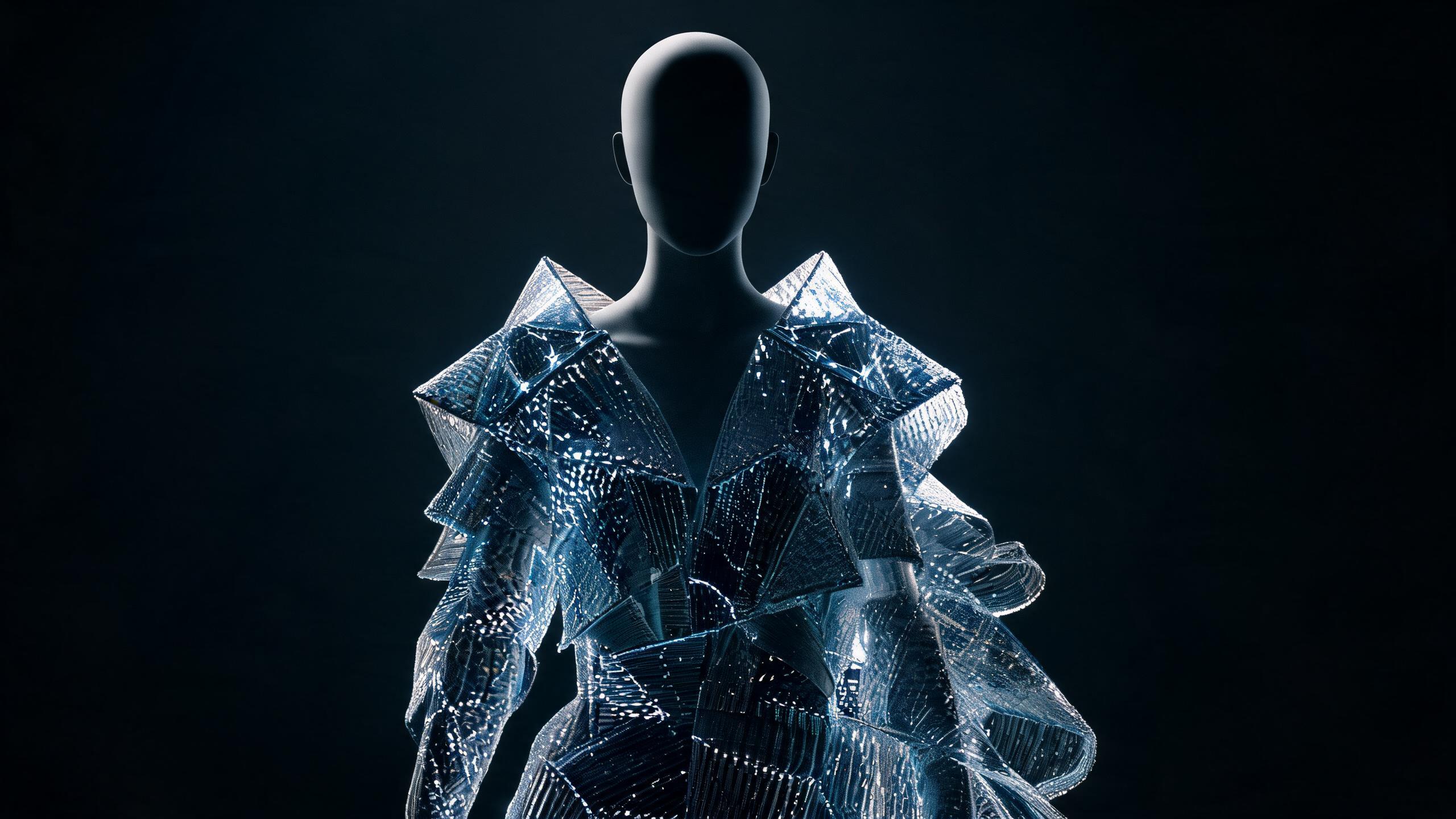
Beyond Padding: Why Fabric Weight is the Secret to Styling a Flat Chest

A deep dive into how to hide flat chest with the right fabric weight and what it means for modern fashion.
Fabric weight styling for flat chests uses textile density to create structural volume independent of body proportions. Your style is not a trend; it is a model of physical dimensions and material physics. Most fashion advice focuses on camouflage through patterns or the artificial inflation of the bust via padding. This is a failure of logic. If the goal is to create a balanced silhouette, the solution lies in the structural integrity of the garment itself. Padding is a temporary fix for a fundamental misunderstanding of how light and shadow interact with fabric.
Key Takeaway: Learning how to hide flat chest with the right fabric weight requires using high-density, structured textiles to create architectural volume. Heavy fabrics maintain their own shape to build a balanced silhouette that exists independently of your body’s dimensions.
To understand how to hide flat chest with the right fabric weight, one must look past the aesthetic and into the engineering of the textile. When a fabric is too light, such as a thin viscose or a lightweight silk jersey, it behaves like a liquid. It follows the contours of the body, highlighting the absence of volume. Conversely, heavy-weight fabrics act as a solid. They hold their own shape, creating a "false" architecture that stands away from the skin. According to a report by Grand View Research (2023), the global smart fabrics market is shifting toward materials that offer both aesthetic structure and functional durability, reflecting a broader industry move toward clothing that dictates form rather than merely covering it.
How to hide flat chest with the right fabric weight?
Achieving a balanced silhouette for a smaller bust requires a systematic approach to material selection. This is not about hiding your body; it is about utilizing the physical properties of textiles to construct the desired visual outcome.
- Calculate the Grams per Square Meter (GSM) — Identify fabrics with a GSM of 250 or higher. Fabrics in this range, such as heavy denim, wool crepe, or thick scuba knit, possess the internal tension necessary to hold a shape that does not collapse against the chest. A high GSM ensures that the fabric acts as a shell rather than a second skin.
- Select Self-Supporting Silhouettes — Choose garments that utilize architectural seams and stiff materials. A structured blazer or a boxy heavy-weight cotton tee will maintain a straight line from the shoulder to the hem, bypassing the hollow area of the chest. If the fabric can stand up on its own when placed on a flat surface, it is heavy enough to obscure the chest profile.
- Integrate Surface Topography — Opt for fabrics with three-dimensional textures like heavy ribbing, cable knits, or quilted patterns. These textures add physical depth (Z-axis volume) to the garment. According to textile analysis from the Fashion Institute of Technology (2024), textured surfaces disrupt light reflection, making it difficult for the eye to discern the exact depth of the chest beneath the material.
- Prioritize Woven Structures Over Knits — Prefer woven fabrics like gabardine, tweed, or heavy linen. Woven textiles are inherently less elastic than knits, meaning they are less likely to stretch and cling to the body’s concavities. This rigidity is the primary tool in re-engineering the visual proportions of the upper torso.
- Utilize Double-Faced Fabrics — Seek out garments made from double-faced wool or bonded materials. These consist of two layers of fabric joined together, doubling the weight and significantly increasing the garment's ability to resist the "draping" effect that reveals a flat chest.
Why is fabric density more important than padding?
Padding is a reactive solution that often results in an unnatural silhouette. It relies on adding mass to the body. Fabric weight, however, is a proactive solution that focuses on the garment's behavior. When you understand how to hide flat chest with the right fabric weight, you stop trying to change your body and start controlling the space around it.
Lightweight fabrics (below 150 GSM) are susceptible to "tunnelling"—a phenomenon where the fabric sinks into the space between the breasts or flattens against the sternum. Heavy-weight fabrics (above 300 GSM) bridge this gap. By spanning the distance between the shoulders and the waist without dipping inward, a heavy fabric creates a clean, continuous plane. This is the essence of Quiet Luxury 2026: How to Wear the Trend for Every Body Type, where the quality of the material dictates the elegance of the fit.
Comparison of Fabric Weights and Their Impact on Bust Silhouette
| Fabric Type | Average GSM | Structural Integrity | Effect on Flat Chest |
| Silk Chiffon | 20 - 40 | Non-existent | Clings and reveals all contours |
| Cotton Jersey | 120 - 180 | Low | Drapes into hollows; requires layering |
| Heavy Pique | 220 - 280 | Moderate | Holds shape; adds subtle volume |
| Neoprene/Scuba | 300 - 500 | High | Creates an autonomous shell; hides chest profile |
| Heavy-weight Denim | 400+ | Very High | Rigidly maintains silhouette; total concealment |
Does fabric texture influence visual volume?
Texture is the secret variable in the fabric weight equation. A flat chest lacks depth; therefore, the fabric must provide it. Tactile fabrics create micro-shadows across the surface of the garment. These shadows confuse the eye’s perception of depth, making the chest area appear more substantial than it is.
Consider the difference between a thin cotton t-shirt and a heavy-weight ribbed sweater. The t-shirt is a flat plane that mirrors the body. The ribbed sweater is a series of peaks and valleys. This "topographic styling" adds 0.5 to 1 inch of physical thickness to the front of the body. This is a common technique used by stylists when Analyzing Red Carpet Looks with AI Tools to ensure celebrities look balanced under harsh lighting.
Textural Recommendations:
- Bouclé and Tweed: The irregular, looped yarns create a dense, chaotic surface that masks the underlying shape.
- Corduroy: The raised "wales" or ridges add vertical structure and thickness.
- Quilted Materials: The stitching traps air and insulation, creating a literal 3D buffer between the skin and the outside world.
👗 Want to see how these styles look on your body type? Try AlvinsClub's AI Stylist → — get personalized outfit recommendations in seconds.
How to identify the "Golden Ratio" of stiffness and weight?
Not all heavy fabrics are created equal. You need weight, but you also need stiffness. A heavy lead-weighted silk might be dense, but it will still collapse. You are looking for "stand-off"—the ability of the fabric to maintain a distance from the skin.
For a flat chest, the ideal garment has a high "Bending Stiffness" coefficient. In textile engineering, this refers to the resistance of a fabric to gravity. When you hold a corner of the fabric, does it fold immediately (low stiffness) or does it hold its angle (high stiffness)? For effective chest styling, you want the latter. This is why a heavy-weight starch-treated cotton shirt often looks better on a small bust than a soft, premium cashmere sweater of the same weight.
The Outfit Formula for Maximum Structural Volume
If your bust measurement is significantly smaller than your hip measurement (often seen in pear or rectangular shapes), use this specific formula to recalibrate your proportions:
- Base Layer: A high-neck, 300 GSM ribbed bodysuit.
- Primary Layer: A boxy, heavy-weight (12oz+) denim jacket or a structured wool blazer with internal canvas construction.
- Bottom: Wide-leg trousers in a medium-weight drape to balance the visual weight of the top.
- Accessories: A rigid leather crossbody bag that sits across the chest, adding an extra layer of structural interference.
What are the common mistakes to avoid when styling a flat chest?
Most people gravitate toward volume in the wrong way. They choose ruffles, frills, or oversized clothing. These often backfire. Ruffles made of thin polyester will still collapse, and oversized clothing can make a small frame look "swallowed" rather than styled.
Specific Mistakes:
- Choosing "Shiny" Lightweight Fabrics: Satin or thin silk reflects light in a way that highlights every dip and curve. On a flat chest, the highlight hits the collarbone and the sternum, emphasizing the lack of volume.
- Relying on Stretch Fabrics: High-elastane content (above 5%) is designed to pull the fabric toward the body. This is the opposite of what you want. You want the fabric to push away.
- Ignoring Seam Placement: Avoid seams that are designed to "cup" a bust that isn't there. If a garment has princess seams or darts meant for a D-cup, the excess fabric will pucker and collapse, drawing attention to the fit issue.
- Low Necklines in Fluid Fabrics: A deep V-neck in a lightweight fabric will inevitably gap and hang, making the chest area look hollow.
Do vs. Don't: Fabric Weight and Structure
| Do | Don't |
| Choose 100% heavy cotton (10oz+) | Choose thin, stretchy rayon blends |
| Opt for boxy, "stiff" silhouettes | Wear "body-con" or wrap tops in thin knits |
| Use layering to build physical thickness | Rely on a single layer of sheer material |
| Select high, structured necklines | Wear deep scoops that hang away from the body |
| Look for internal structure (canvas, interfacing) | Buy unlined, flimsy outerwear |
How can AI infrastructure solve the personalization gap?
The current fashion retail model is broken because it categorizes humans into static sizes (S, M, L) and broad categories. A search for "tops for small bust" usually returns a list of items with ruffles. This is a feature-based approach, not an intelligence-based one. It ignores the physics of how a 400 GSM wool coat interacts with a 32A chest versus how a 150 GSM linen shirt does.
We are moving toward a future where "fit" is calculated by a personal style model. This model understands that your body is a set of coordinates and your clothes are a set of material properties. According to McKinsey (2024), AI-driven personalization in the fashion sector is expected to drive a 25% increase in customer lifetime value by moving away from generic recommendations and toward high-fidelity style intelligence.
When you understand how to hide flat chest with the right fabric weight, you are essentially performing a manual version of what an AI stylist does: analyzing the intersection of body geometry and material science. You are not just "buying clothes"; you are selecting the raw materials to build a visual identity.
Structural Parameters for Clothing Selection
If you are looking for brand-agnostic specifications to ensure a garment will provide the structure you need, look for these details in product descriptions:
- T-Shirts: Look for "Heavyweight," "Open-end yarn," or a weight of at least 6.5 oz/yd².
- Blazers: Ensure the description mentions "Full Canvas" or "Half Canvas" construction. This means there is a layer of horsehair or synthetic material inside the chest to hold the shape.
- Knitwear: Look for "Full-milano stitch" or "Heavy gauge." A 5-gauge knit is much thicker and more structural than a 12-gauge knit.
- Denim: Aim for "Raw denim" or "Non-stretch" with a weight of 12oz to 14oz.
The Future of Fashion Intelligence
The era of "guessing" your way through a fitting room is ending. The gap between personalization promises and reality in fashion tech exists because most apps are just digital storefronts with "AI" slapped on the front. They don't understand the drape of a fabric or the density of a weave. They only understand what is "trending."
True style intelligence requires a dynamic taste profile that evolves as you do. It requires an AI that knows that today you want the sharp, architectural lines of a heavy-weight wool suit, and tomorrow you need the tactical layering of a quilted vest. This is not about following rules; it is about mastering the infrastructure of your own wardrobe.
AlvinsClub uses AI to build your personal style model. Every outfit recommendation learns from you, moving beyond basic filters to understand the complex relationship between your body and the weight of the world you wear. Try AlvinsClub →
Summary
- Fabric weight styling utilizes textile density to create structural volume that remains independent of the wearer's physical body proportions.
- An essential strategy for how to hide flat chest with the right fabric weight is selecting heavy-weight materials that function as solids to maintain a shape away from the skin.
- Lightweight textiles, such as silk jersey or thin viscose, highlight a lack of bust volume because they behave like liquids and cling to the body's natural contours.
- The most effective method for how to hide flat chest with the right fabric weight relies on the structural integrity of the garment to manipulate light and shadow for a balanced silhouette.
- Modern textile engineering is shifting toward smart fabrics that provide both functional durability and aesthetic structure to dictate the overall form of the wearer's silhouette.
Frequently Asked Questions
How to hide flat chest with the right fabric weight?
Heavyweight textiles like denim or thick wool create a structural shell that holds its own shape away from the body. This physical density provides a natural-looking volume that does not rely on body proportions or artificial padding. Using these materials allows for a more balanced silhouette through the inherent stiffness of the weave.
What are the best tips for how to hide flat chest with the right fabric weight?
Selecting high-GSM materials like heavy cotton or tweed provides the structural integrity necessary to build a defined shape. These fabrics resist clinging to the skin, which helps create a smooth and purposeful line across the chest area. This method focuses on material physics to enhance the overall aesthetic of the garment without needing extra layers.
Can you explain how to hide flat chest with the right fabric weight effectively?
Utilizing textile density offers a more permanent and sophisticated solution than temporary padding or uncomfortable undergarments. Heavyweight fabrics provide structural volume that maintains its form throughout the day regardless of movement. This approach treats fashion as a matter of physical dimensions and material integrity rather than simple camouflage.
What fabrics add volume to a small bust?
Textiles with high structural integrity such as corduroy, heavy linen, and double-knit jerseys are ideal for adding visual depth. These materials stand away from the frame and provide a three-dimensional effect that creates volume naturally. Selecting fabrics with a visible weave further enhances the perceived density of the garment.
Why does fabric weight matter for styling a flat chest?
Fabric weight determines how a garment drapes and interacts with the physical space around the body. Lighter fabrics tend to follow the natural contour of the chest, while heavier weights maintain an independent structure. This mechanical property allows for the creation of a balanced silhouette that is not dictated by bust size.
Is it worth using heavy fabrics for a small chest?
Heavy materials effectively create a boxier or more structured appearance that obscures the lack of curves. By focusing on the architecture of the garment, you can shift the visual focus toward the overall line of the outfit. This technique relies on the weight of the textile to provide a solid frame that complements a flat chest.
This article is part of AlvinsClub's AI Fashion Intelligence series.
Related Articles
- 5 Pro Tips for Analyzing Red Carpet Looks with AI Tools
- How To Style Wrap Skirts For Plus Size — What You Need To Know
- How to Use AI to Transition Your Office Wear into Evening Outfits
- Mastering Proportions: How to Style Polo Shirts for a Big Bust
- Quiet Luxury 2026: How to Wear the Trend for Every Body Type