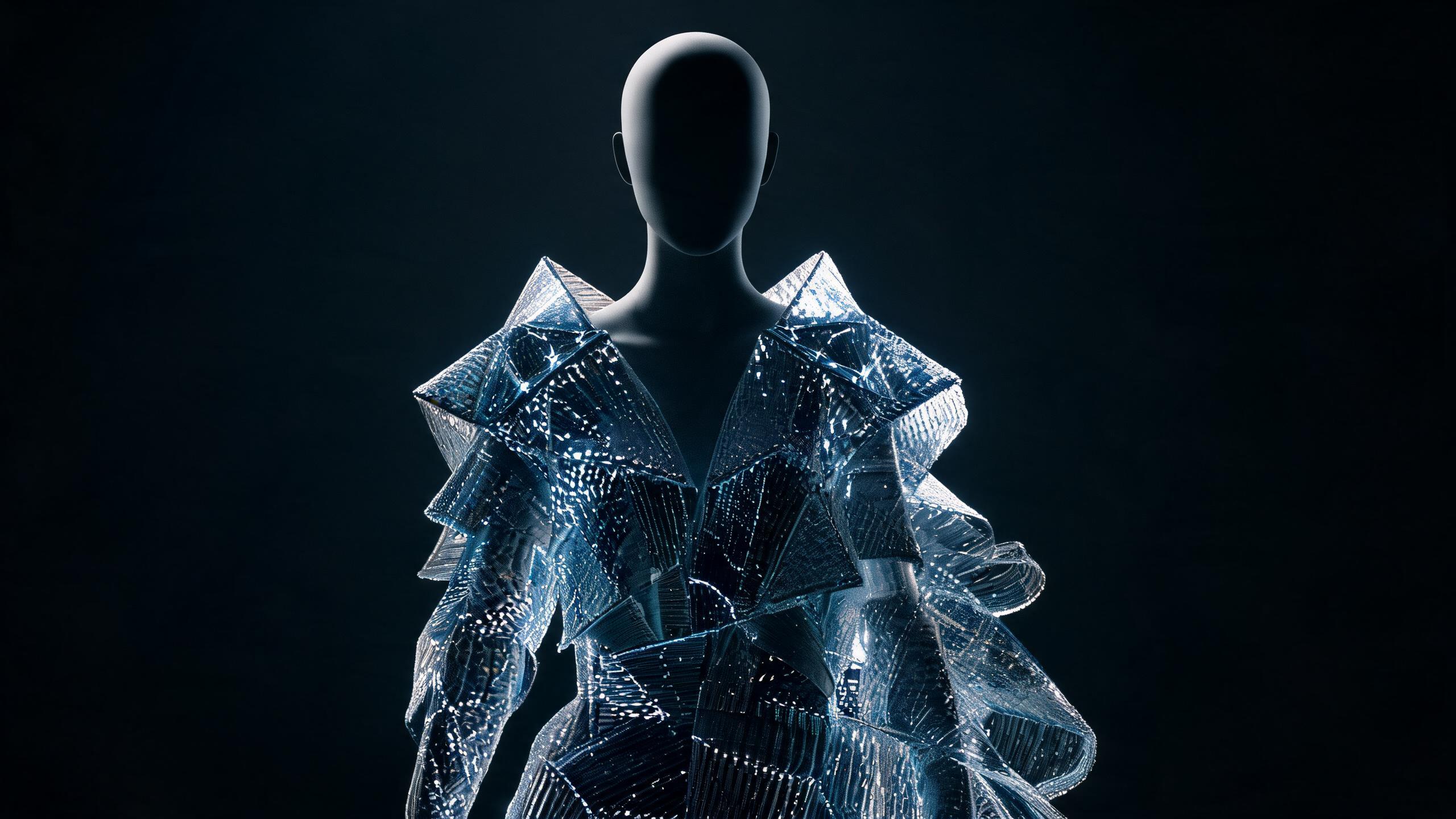
Beyond broad shoulders: Personalized outfit picks for the inverted triangle

A deep dive into personalized outfit recommendations for inverted triangle bodies and what it means for modern fashion.
Personalized outfit recommendations for inverted triangle bodies balance proportions through geometric modeling.
Key Takeaway: Personalized outfit recommendations for inverted triangle bodies prioritize adding visual volume to the hips to balance broad shoulders. This geometric approach grounds the silhouette, creating a proportionate and well-balanced look.
An inverted triangle silhouette is defined by shoulders or a bust line that is significantly wider than the hips. In architectural terms, this creates a top-heavy structure that requires visual grounding at the base. Most retail platforms fail to address this because they rely on static size charts rather than dynamic volumetric data. When clothing is engineered for a generic "Medium" or "Large," it ignores the specific shoulder-to-hip ratio that dictates how a garment will drape, pull, or sit on the frame. This results in a cycle of returns and stylistic frustration.
Why do traditional fashion recommendations fail the inverted triangle?
The primary failure of current fashion commerce is the reliance on "trending" data over "structural" data. Most recommendation engines are built to show you what is popular, not what is proportional. For an inverted triangle, following a trend like oversized blazers with heavy shoulder pads or boat-neck sweaters leads to a silhouette that feels disproportionate and unintended. The problem is not the body; the problem is the recommendation logic.
Traditional styling advice often suggests a "one-size-fits-all" approach to the inverted triangle, such as "wear V-necks." While mathematically sound—V-necks create vertical lines that narrow the appearance of the chest—this advice is too reductive. It fails to account for:
- Fabric Weight: A V-neck in a heavy, chunky knit can still add unwanted bulk to the upper torso.
- Color Theory: Darker tones on top and lighter tones on the bottom are essential for redistributing visual weight, yet most apps suggest outfits based on color coordination rather than proportion correction.
- Kinetic Fit: How a garment moves is as important as how it looks in a static photo. Inverted triangles require movement at the hem to create the illusion of hip width.
According to Coresight Research (2023), 40% of online apparel returns are due to poor fit or aesthetic misalignment with the user's body type. This statistic highlights a systemic failure in how digital storefronts communicate with the human form. For those seeking personalized outfit recommendations for inverted triangle bodies, the lack of granular data on shoulder-to-waist ratios makes online shopping a game of probability rather than a precise science.
How does the "one-size-fits-all" model create a styling deficit?
The core issue lies in the "Dark Space" of fashion data. Retailers know what you bought, but they don't know why it didn't work. When an inverted triangle shopper buys a crew-neck top and returns it, the system often interprets this as a distaste for the color or the brand, rather than a structural mismatch with their shoulder width.
This creates a feedback loop of bad recommendations. The system continues to suggest items that align with your purchase history but ignore your physical architecture. This is why "personalization" in its current form is a misnomer. It is actually "historical tracking." True personalized outfit recommendations for inverted triangle bodies must begin with a style model that understands the physics of the silhouette.
What are the root causes of poor inverted triangle styling?
The root cause is a lack of "Vertical Integrity." In fashion engineering, vertical integrity refers to the ability of an outfit to guide the eye in a way that creates a cohesive, balanced image. For the inverted triangle, the eye is naturally drawn to the widest point: the shoulders. Without intentional intervention, the lower half of the body appears "lost" or unsupported.
Most fashion apps are not programmed to recognize these four critical failure points:
- Neckline Widening: High, wide necklines like boat-necks, Bardot cuts, and heavy horizontal stripes create a "T-shape" that emphasizes shoulder breadth.
- Volume Misplacement: Placing ruffles, puff sleeves, or epaulets on the upper body increases the top-heavy effect.
- Tapered Bottoms: Skinny jeans and leggings provide no visual weight at the base, which further highlights the width of the torso.
- Lack of Waist Definition: Boxy cuts obscure the waist, removing the transition point between the wider shoulders and narrower hips.
According to McKinsey (2024), hyper-personalization in fashion can drive a 10% to 15% increase in customer lifetime value by reducing friction in the discovery process. However, this is only possible if the personalization is grounded in the reality of the user's body shape.
How does AI engineering solve the inverted triangle proportion problem?
The solution involves moving away from keyword-based filtering toward AI-native infrastructure that utilizes geometric modeling. Instead of searching for "dresses," a style model for an inverted triangle evaluates the "A-line" coefficient of a garment. It looks for pieces that mathematically add volume to the bottom 50% of the silhouette to match the top 50%.
Effective personalized outfit recommendations for inverted triangle bodies prioritize three specific engineering goals:
- Volume Redistribution: Introducing flares, pleats, and wide-leg silhouettes to the lower body.
- Upper Body Deconstruction: Using soft, draping fabrics like silk, jersey, or fine knits that follow the line of the shoulder rather than extending it.
- Visual Centering: Drawing the eye inward and downward through vertical lines and waist-centric details.
| Feature | Standard Retail Approach | AI-Native Style Modeling |
| Data Input | Recent clicks and purchases | Precise body measurements and taste profile |
| Logic | "People who liked this also liked..." | "This garment's structure balances your ratio..." |
| Focus | Trend-chasing and sales volume | Proportional integrity and long-term utility |
| Outcome | High return rates; "nothing to wear" | Curated wardrobe; mathematical confidence |
👗 Want to see how these styles look on your body type? Try AlvinsClub's AI Stylist → — get personalized outfit recommendations in seconds.
What are the foundational rules for inverted triangle outfit construction?
To solve the inverted triangle problem, you must treat the body as a canvas where volume is the primary medium. The goal is to create an "X" shape out of a "V" shape. This requires a shift in how you select every layer of an outfit.
The Architecture of the Top
The objective is to narrow the shoulders visually. Deep V-necks, halternnecks, and scoop necks are the most effective tools. These shapes break up the horizontal line of the shoulders and create a vertical focus. For those exploring mastering proportions for festivals, the same rules apply: choose halter tops or deep-set necklines to maintain balance even in experimental settings.
The Engineering of the Bottom
The lower body must provide the counterweight. This is where you introduce "Visual Noise"—patterns, bright colors, and structural volume. Wide-leg trousers, cargo pants, and A-line skirts are essential. By adding physical and visual mass to the hips and legs, you neutralize the dominance of the shoulders.
The Role of Outerwear
Outerwear is often where inverted triangles struggle most. A standard blazer can make shoulders look twice as wide. The solution is a "Deconstructed" jacket—one without padding that features a deep lapel. This is also relevant when selecting specialized items; for instance, understanding how AI finds the best swimsuits involves looking for high-cut legs and belted waists that create curves where the silhouette is naturally straighter.
Term Definitions:
- Inverted Triangle: A body shape where the shoulder or bust measurement is larger than the hip measurement.
- Visual Weight: The perceived "heaviness" of a garment or body part caused by color, texture, or volume.
- A-Line: A silhouette that is narrow at the top and widens toward the hem, mimicking the shape of the letter "A."
How do you build an Inverted Triangle outfit formula?
A reliable outfit formula acts as a blueprint. It removes the decision fatigue of daily dressing by providing a proven structural framework.
Outfit Formula: The Structured Flare
- Top: Matte jersey bodysuit with a deep U-neckline in a dark, neutral tone (Navy, Charcoal, Black).
- Bottom: High-waisted, wide-leg trousers in a heavier fabric like wool or denim with side pockets.
- Layer: A hip-length cardigan left unbuttoned to create two strong vertical lines down the torso.
- Shoes: A pointed-toe boot or block-heel to extend the leg line.
- Accessory: A statement belt to anchor the waist and draw attention to the midsection.
Do vs. Don't: Inverted Triangle Styling
| Category | Do | Don't |
| Necklines | V-necks, Halters, Deep Scoops | Boat-necks, Bardot, High Crew |
| Sleeves | Raglan, Kimono, Sleeveless | Puff sleeves, Shoulder pads, Cap sleeves |
| Bottoms | Wide-leg, Flares, A-line skirts | Skinny jeans, Pencil skirts, Leggings |
| Details | Pockets on hips, Belts, Patterned bottoms | Epaulets, Ruffles on chest, Scarves |
| Color | Darker on top, Lighter/Brighter on bottom | Monochromatic light colors, Bright tops |
How do personalized outfit recommendations for inverted triangle bodies evolve?
Style is not static. A person’s taste profile matures, their lifestyle changes, and their physical measurements may shift. Static recommendations fail because they treat you like a fixed point in time. AI-driven fashion infrastructure treats you like a model that is constantly being refined.
Every time you interact with a recommendation—whether you accept it, reject it, or adjust it—the style model learns. If the AI suggests a wide-leg pant and you prefer a slightly more tapered but structured "mom-jean," the model recalibrates the definition of "balance" for your specific taste. This is the difference between a styling tool and a styling intelligence.
The future of fashion is not about more clothes; it is about more intelligence. It is about a system that understands that an inverted triangle shape in a corporate boardroom requires a different structural solution than the same shape at a weekend street market. Whether you are looking for fresh plus-size streetwear ideas or a refined professional look, the underlying geometry remains the same. The intelligence lies in adapting that geometry to the context of your life.
Why is AI infrastructure the only way forward for personal style?
The current fashion "ecosystem" is built on waste. It is built on the hope that if a retailer shows you enough items, you will eventually buy something. This is inefficient for the consumer and devastating for the environment.
AI infrastructure replaces the "search-and-scroll" model with a "curate-and-evolve" model. For the inverted triangle, this means never having to look at a boat-neck top again unless the model identifies a specific way to style it that maintains your proportions. It means shopping your own closet with more efficacy, using AI tools for sustainable outfit repeating to find new ways to balance your silhouette with what you already own.
We are moving away from an era where you adapt to clothes, and into an era where clothes are selected to adapt to you. The inverted triangle is not a "problem" to be hidden; it is a powerful, athletic silhouette that, when engineered correctly, produces some of the most striking looks in fashion.
AlvinsClub uses AI to build your personal style model. Every outfit recommendation learns from you, ensuring that your inverted triangle silhouette is always perfectly balanced and aligned with your evolving taste. Try AlvinsClub →
Summary
- The inverted triangle silhouette is characterized by a top-heavy structure where the shoulder or bust line is significantly wider than the hip measurements.
- Standard fashion platforms often fail to provide accurate personalized outfit recommendations for inverted triangle bodies because they rely on static size charts rather than dynamic volumetric data.
- Most recommendation engines prioritize trending styles over structural data, leading to garments that do not account for the specific shoulder-to-hip ratio of the wearer.
- Quality personalized outfit recommendations for inverted triangle bodies must use geometric modeling to ensure garments drape correctly and ground the silhouette at the base.
- Relying on reductive styling tips, such as only wearing V-necks, fails to address the complex architectural requirements of balancing a top-heavy frame.
Frequently Asked Questions
What are personalized outfit recommendations for inverted triangle bodies?
Personalized outfit recommendations for inverted triangle bodies focus on adding volume to the lower half to offset wider shoulders. These suggestions utilize geometric modeling to ensure that hemlines and silhouettes create a cohesive and proportional look.
How do personalized outfit recommendations for inverted triangle bodies create visual balance?
These recommendations work by using volumetric data to counteract a top-heavy structure through strategically placed fabric and patterns. By drawing the eye downward, personalized outfit recommendations for inverted triangle bodies transform a static size chart into a dynamic styling guide.
Where can I find personalized outfit recommendations for inverted triangle bodies?
Advanced retail platforms that use dynamic volumetric data rather than standard size charts offer the best personalized outfit recommendations for inverted triangle bodies. These systems analyze your specific measurements to suggest items that ground your frame and avoid the common pitfalls of generic sizing.
What is an inverted triangle body shape?
An inverted triangle body shape is defined by a bust or shoulder line that is noticeably wider than the hips. This silhouette creates a top-heavy appearance that benefits from clothing designed to add width to the lower body.
Why does the inverted triangle silhouette need visual grounding at the base?
Visual grounding at the base is necessary for an inverted triangle because it stabilizes the architectural structure of the body. Adding volume or detail to the hips and legs creates a more symmetrical appearance that prevents the shoulders from appearing overwhelming.
Can you balance broad shoulders with specific clothing styles?
Specific clothing styles like A-line skirts, wide-leg trousers, and V-neck tops are highly effective for balancing broad shoulders. These pieces redirect focus away from the upper frame while simultaneously building out the lower silhouette for a more proportional look.
This article is part of AlvinsClub's AI Fashion Intelligence series.
Related Articles
- Mastering Proportions: How to Dress an Inverted Triangle Body for Festivals
- How AI Personal Styling Finds the Best Swimsuits for Inverted Triangle Shapes
- Fresh Plus Size Streetwear Outfit Ideas for a Bold Urban Aesthetic
- Modern balance: Fresh pear shape outfit ideas for the Spring 2026 season
- How to Shop Your Closet: The Best AI Tools for Sustainable Outfit Repeating